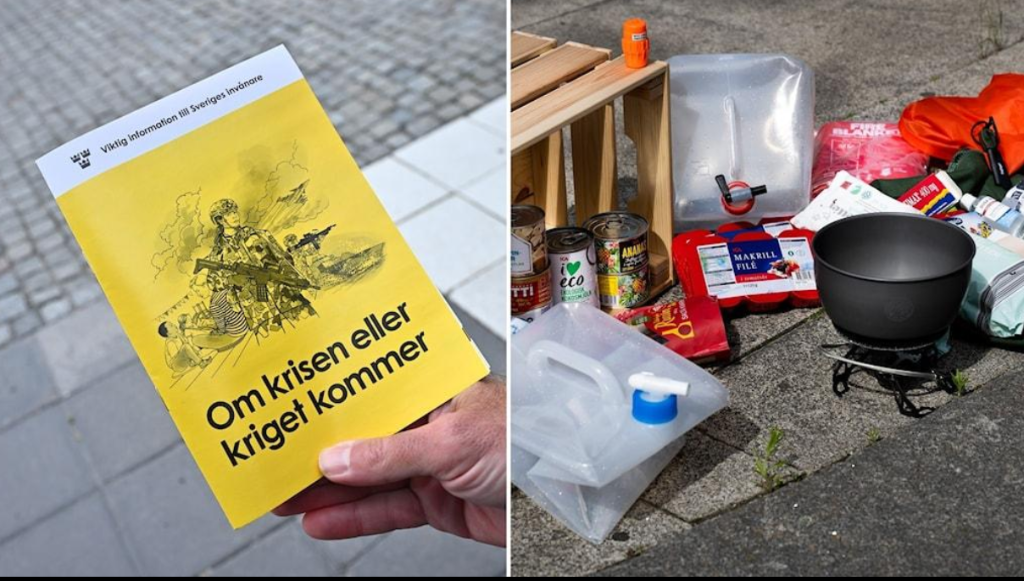
Governments worldwide push for emergency food and water reserves as global tensions rise
Why nations are urging citizens to stockpile essential supplies now
From Northern Europe to the Middle East, governments are increasingly calling on households to prepare emergency supplies of food, water, and medicine. This shift reflects growing concerns over armed conflicts, cyber threats, and geopolitical rivalries that could disrupt daily life at any moment.
What was once seen as a personal precaution—stocking up for disasters—has now become a strategic imperative. Authorities warn that major crises could strike without warning, and the first 72 hours are often the most critical for survival. The question isn’t whether a disaster will happen, but when—and how prepared families can be.
Europe’s push for household resilience amid rising threats
Across Europe, governments are rolling out public campaigns to ensure citizens can weather prolonged disruptions. In October, the British government launched a national emergency preparedness drive, advising households to maintain supplies for at least three days. Recommendations include bottled water, non-perishable food, first-aid kits, flashlights, batteries, and cash reserves.
The rationale? Extreme weather, technological failures, and hostile actions against critical infrastructure could paralyze essential services overnight. The 2022 invasion of Ukraine served as a stark reminder: conflicts don’t just stay on battlefields. They cripple energy grids, block supply chains, and cut off access to food and medicine far beyond war zones.
Northern Europe boosts civil defense measures
In Finland, Sweden, Poland, and the Baltic states, authorities are reinforcing shelters, early warning systems, and evacuation protocols. Finland has significantly expanded its national grain reserves, ensuring enough food to last nine months—a move dubbed a “silent mobilization” of civil society to counter potential threats.
While Moscow’s actions remain a top concern for Western intelligence, the goal isn’t to predict war—but to ensure societies can endure sudden shocks. Cyberattacks, sabotage, or energy blackouts could destabilize entire regions without a single shot being fired.
Middle East tensions fuel regional supply fears
In the Gulf, escalating hostilities between the U.S., Israel, and Iran have raised alarms over vulnerable infrastructure. Following joint U.S.-Israeli strikes on Iran in early 2026, retaliatory actions targeted Gulf nations, including missile launches and drone incursions. The Emirates accused Iran of direct attacks, though Tehran denied involvement.
The stakes are global. Oil refineries, shipping lanes, and power grids form the backbone of the world economy. A prolonged disruption could trigger fuel shortages, soaring energy prices, and shortages of basic goods—affecting households far from conflict zones.
For residents in Abu Dhabi, Dubai, and beyond, stocking up on essentials isn’t just prudent—it’s becoming a civic duty. Communities are learning that resilience starts at home.
Asia’s shifting power dynamics add new risks
In Asia, the deepening ties between China and North Korea—symbolized by the October 2026 opening of a major border bridge—have intensified geopolitical watchdogs’ concerns. While no immediate military alliance is confirmed, the cooperation between Beijing and Pyongyang, coupled with North Korea’s military alignment with Russia, creates a volatile mix.
Analysts warn that simultaneous crises across multiple regions could overwhelm global supply chains, leaving nations scrambling to protect their populations. The lesson? Preparation isn’t optional—it’s essential.
What it means for everyday families
The surge in emergency advice doesn’t signal an imminent world war—but it does reflect a new reality: societies must be ready to function when systems fail. Governments are no longer assuming uninterrupted access to food, water, or electricity.
NATO’s September 2026 directives on resilience underscore this shift, emphasizing energy security, food stocks, clean water, and communication systems. For citizens, the message is simple: a few days of supplies, a backup plan, and awareness of official guidelines can make the difference between panic and preparedness.
Living with constant uncertainty doesn’t mean living in fear. It means taking control. The family pantry, water jugs in the closet, and a charged battery pack aren’t just household items—they’re shields against the unknown. In an age of global instability, self-reliance isn’t a choice. It’s the new norm.
