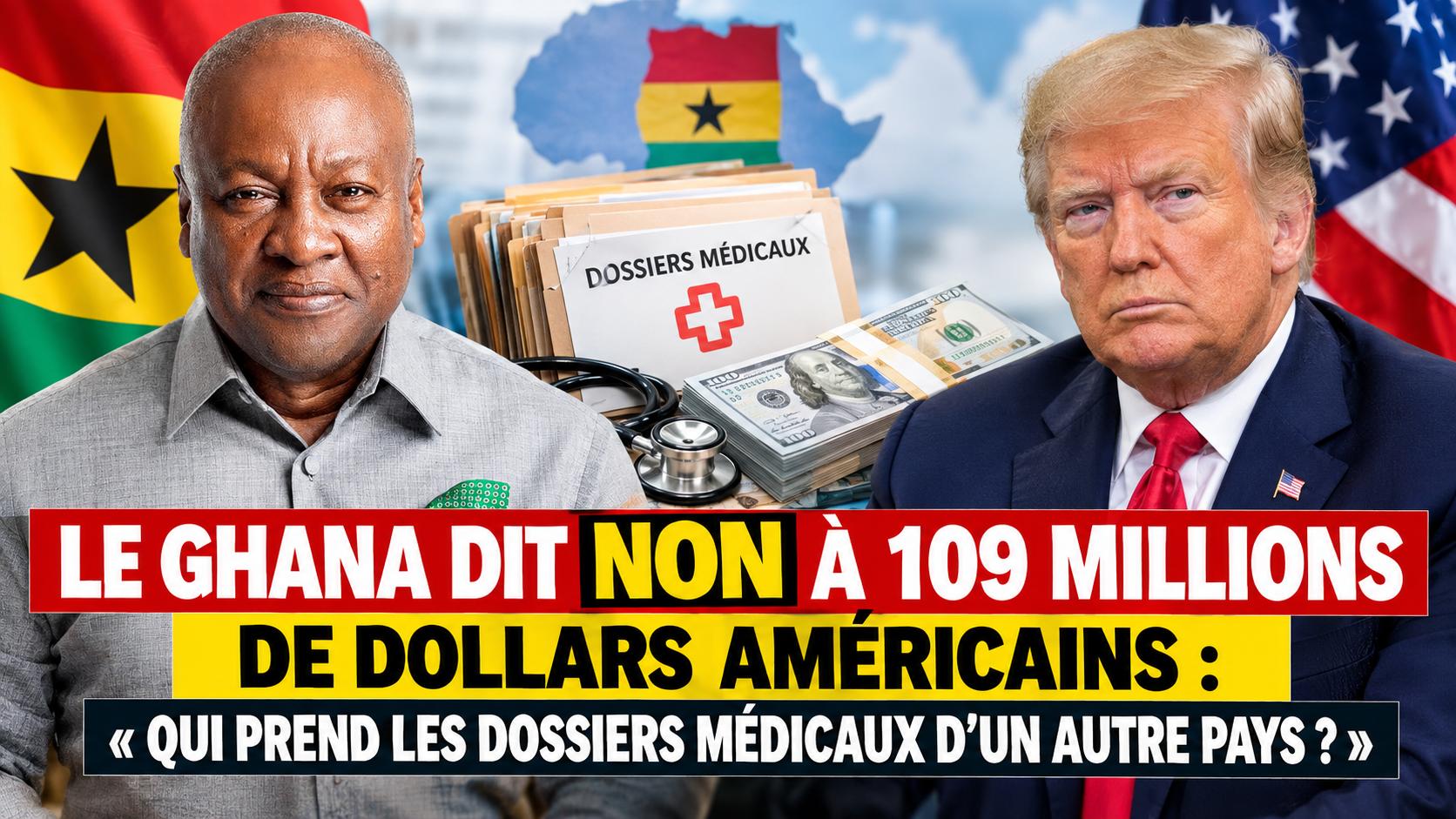
Ghana’s bold move: rejecting $109M US health deal over data sovereignty
Accra has ignited a continent-wide discussion by turning down a $109 million US health funding proposal, citing concerns over medical data access, pathogen control, and restrictions on local drug regulation. The decision spotlights the growing tension between international aid and national sovereignty in Africa’s health sector.
What the Ghanaian government refused and why
The Ghanaian administration declined a five-year health assistance package worth approximately $109 million from the United States, part of a broader $300 million initiative. President John Dramani Mahama framed the rejection around a single, pointed question: “Who gets to hold a country’s medical records without its consent?”
During a high-profile address at the Council on Foreign Relations in New York, he emphasized that the proposed agreement would have granted US authorities access to Ghana’s medical data, including disease surveillance records and pathogen profiles. Additionally, he raised concerns about clauses that could sidestep Ghana’s Food and Drugs Authority (FDA) in approving certain imported medications—an issue he described as “humiliating” for national autonomy.
The real stakes behind the data dispute
The debate isn’t about rejecting foreign aid outright, but about the conditions attached to it. Officials pointed to provisions allowing 16 US-based companies access to Ghana’s health data under terms that could potentially identify individual patients. While the US government has not released the full text of the agreement, Ghanaian negotiators confirmed that the scope of data access extended beyond standard public health needs.
This concern echoes broader regional unease. In early 2026, Jean Kaseya, head of the Africa Centres for Disease Control and Prevention (Africa CDC), flagged similar issues in US health partnerships, warning that rapid data-sharing requirements often left African nations without guarantees of receiving resulting treatments or vaccines.
Why pathogen data matters
Disease tracking and genetic sequencing data are not just clinical resources—they’re strategic assets. Access to real-time pathogen information can shape vaccine development, treatment protocols, and epidemic response strategies. Losing control over such data risks ceding influence over public health futures to external actors, particularly when funding comes with stipulations on how findings are shared or used.
Ghana’s push for health independence
The rejection aligns with a wider policy shift. Since early 2025, Accra has been recalibrating its health funding model after USAID suspended large portions of its assistance, creating a $156 million budget gap, including $78.2 million in critical health program cuts. The government is now advancing its “Accra Reset” initiative, outlined in the report A Sovereign Future for Health, which advocates reducing reliance on external donors and strengthening domestic health infrastructure.
Mahama’s administration has framed this as a move toward health sovereignty—a principle that prioritizes national control over data, supply chains, and regulatory authority. The president stressed that the decision was a consensus reached by the Ministry of Health and Cabinet, underscoring the strategic importance of the move.
Unanswered questions and global implications
Washington has not publicly disclosed the contested clauses, citing the confidential nature of bilateral negotiations. This opacity leaves several questions unanswered:
- What exact categories of health data would have been accessible?
- Which US entities would have received the information, and under what legal safeguards?
- How long would patient data have been retained?
- What guarantees existed to ensure Ghanaians benefited from discoveries based on their health data?
The gaps in transparency fuel skepticism about whether the deal prioritized mutual benefit or one-sided access. Ghana’s refusal to proceed suggests that for many African governments, the cost of compromised data sovereignty outweighs the financial benefit of conditional aid.
What’s next for Ghana’s health sector?
The challenge now is replacing the $109 million shortfall without compromising patient care or public health outcomes. Mahama has indicated that alternative funding avenues are being explored, signaling a commitment to diversifying partnerships while maintaining strict control over national health data.
The broader question now reverberates across Africa and beyond: As healthcare becomes increasingly data-driven, can nations accept external funding at the expense of data autonomy? Or will more capitals follow Ghana’s lead in drawing a firm line in the sand?
For now, Accra has made its stance clear: health partnerships are welcome—but not at the cost of national sovereignty.
Lessons for Africa’s health policy
Ghana’s decision marks a turning point in how African nations negotiate international health agreements. The era of passive acceptance of donor conditions appears to be evolving into one of assertive bargaining, where data rights and regulatory independence are non-negotiable. Other countries may soon face similar dilemmas as global health funding increasingly hinges on access to local health intelligence.
The message to international partners is equally clear: Development aid must respect sovereignty, not undermine it. Whether this will lead to more balanced partnerships—or a wave of rejections—remains to be seen. But one thing is certain: the era of unconditional health funding is fading fast.
