Gabon’s quiet shift: how human talent is becoming the backbone of economic growth
Gabon’s quiet shift: how human talent is becoming the backbone of economic growth
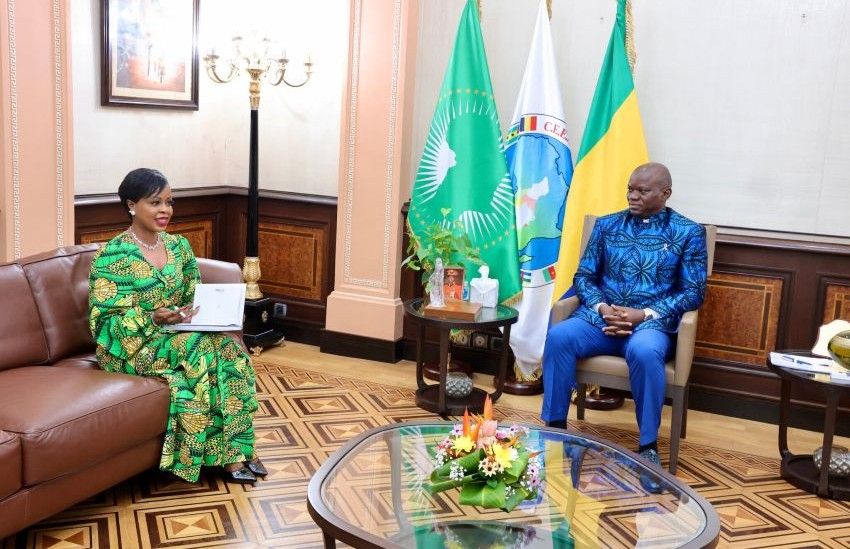
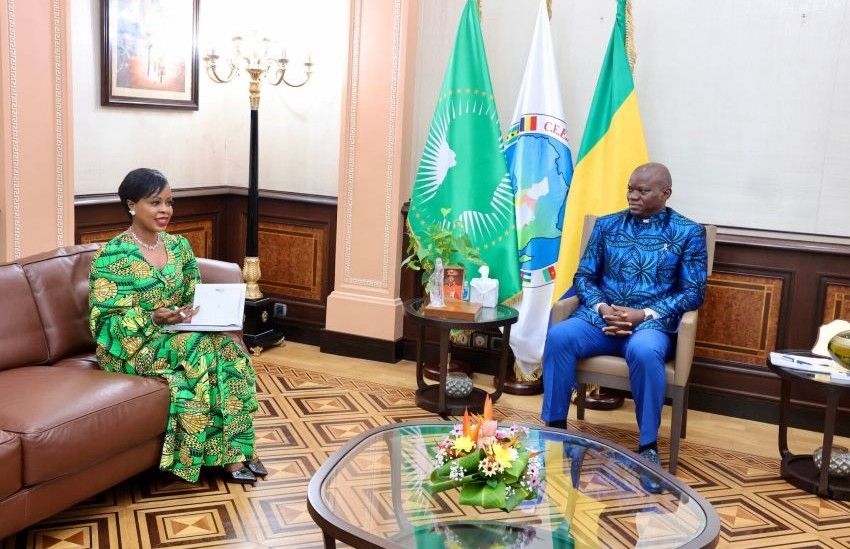
Libreville, October 2026 — Gabon is quietly redefining how it measures economic progress, shifting focus from visible assets like oil, roads, or industrial equipment to a less tangible but far more transformative resource: the skills of its people. On October 2, 2026, President Brice Clotaire Oligui Nguema met with Minister of Commerce, SMEs, and SMIs Zenaba Gninga Chaning to review programs aimed at vocational training, professional integration, and youth support. The first concrete step? Training 400 young Gabonese in Libreville, with plans to expand nationwide.
This initiative arrives at a critical juncture. As Gabon seeks to diversify its economy and boost local businesses, the real question isn’t just about capital or infrastructure—it’s about people. Can the country build a more productive economy without a robust pipeline of technicians, entrepreneurs, and professionals capable of driving its operations? The answer, increasingly, seems to be no.
From classrooms to real-world impact: the new face of vocational training
The emphasis on technical and practical skills isn’t accidental. Gabon’s leadership has made a deliberate choice to align training programs with the actual needs of industries and productive sectors. These 400 trainees aren’t just earning certificates—they’re being prepared to secure jobs, launch income-generating activities, or even start businesses. This marks a departure from traditional education models focused solely on diplomas, replacing them with a more holistic approach: skill acquisition, job placement, revenue generation, and value creation.
The program goes further by offering post-training support, including technical assistance, access to financing, and project mentoring. This is where many African economies stumble. The gap between having a skill and building a viable business is often where initiatives fail. Gabon’s government has already laid groundwork for this challenge, introducing in August a three-pronged strategy—train, mentor, finance—with mechanisms like loan guarantees and project funding for young entrepreneurs.
The untold story: why skills are the new infrastructure
Beneath the surface of training announcements lies a deeper ambition: to increase Gabonese participation in national value chains. The goal is clear—to strengthen local SMEs, boost production, and reduce reliance on foreign expertise where domestic talent can fill the gap. This is particularly vital in sectors the country is prioritizing: infrastructure, energy, oil and gas, digital technology, manufacturing, technical services, and raw material processing.
Development in these fields doesn’t hinge solely on capital investment—it depends on having a workforce capable of installing, operating, maintaining, managing, and innovating. The message was echoed recently in Port-Gentil, where the president visited the Institute of Oil and Gas, stressing the need to expand scientific, technical, and energy-related training to meet industry demands and curb over-reliance on overseas education.
The logic is unmistakable: economic sovereignty isn’t just about controlling resources—it’s about having the people who can turn those resources into value.
Scaling up: from Libreville to the provinces
The first cohort of 400 trainees in Libreville is just the beginning. The real test lies in scaling this model across Gabon’s nine provinces. A national skills strategy can’t succeed if opportunities remain concentrated in the capital. Expansion must be strategic, adapting training to local economic realities—whether in oil-rich regions, agricultural zones, mining areas, or urban hubs. This isn’t just an employment policy; it’s a territorial development strategy.
The true measure of success won’t be the number of people trained, but the outcomes: How many secure jobs? How many launch sustainable businesses? How many local enterprises grow thanks to newly available talent? How much of this new activity strengthens domestic value chains? These indicators will reveal whether Gabon’s gamble on human capital is paying off.
This initiative may not be as visible as building roads or power plants, but it could prove just as transformative. Roads connect regions. Power plants energize economies. Ports facilitate trade. But none of these function without the people who operate, maintain, and innovate. By treating human talent as strategic infrastructure, Gabon is betting on a future where its citizens—not just its resources—drive lasting economic change.
