
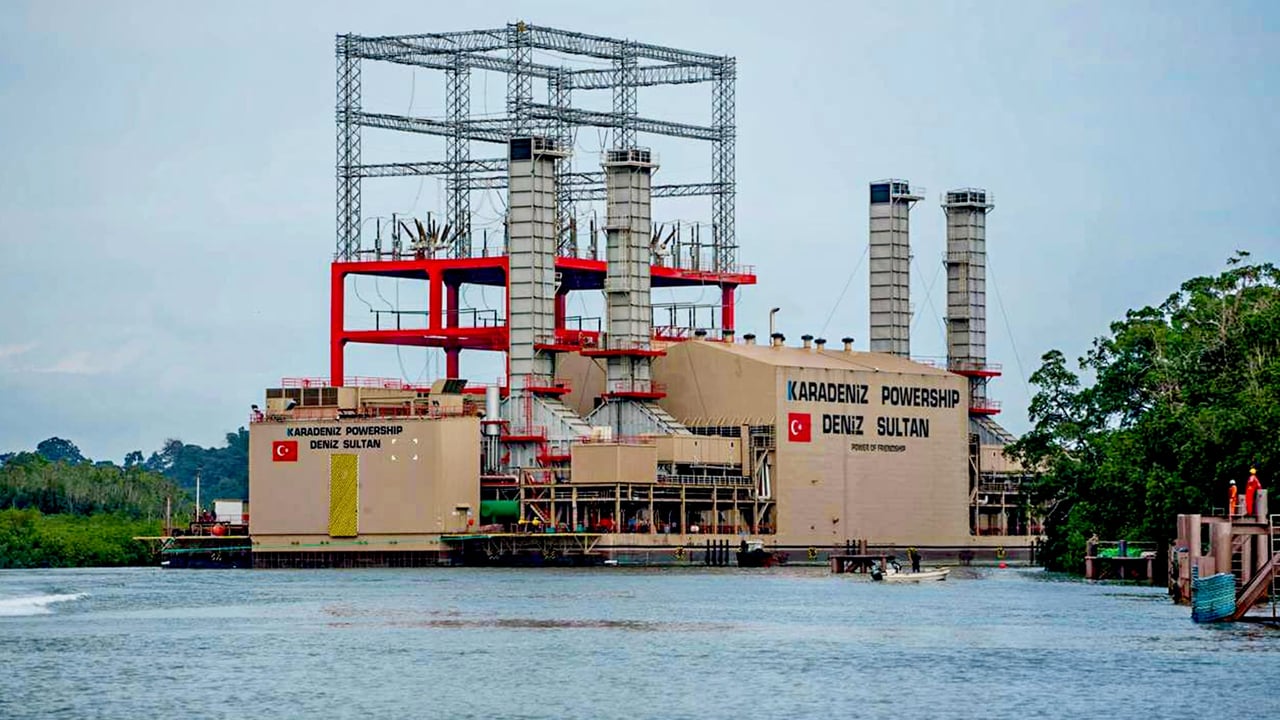

Gabon’s energy strategy shifts away from foreign dependence
In a bold move to secure its energy future, Gabon is actively pursuing ways to reduce its reliance on Karpowership’s floating gas facilities. The government is accelerating efforts to diversify energy sources, aiming to stabilize supply and lower costs for households and industries alike.
This transition reflects a broader strategy to enhance national energy sovereignty, particularly as global energy markets remain volatile. Officials emphasize the need for long-term solutions that prioritize local resources and infrastructure development.
Key initiatives driving Gabon’s energy independence
Several high-impact projects are underway to support Gabon’s energy goals:
- Partnerships with international firms: Collaborations with global energy leaders like EDF are being explored to develop sustainable power generation methods.
- Reinforcement of national grid infrastructure: Upgrades to the Société d’énergie et d’eau du Gabon (SEEG) network aim to improve efficiency and reliability.
- Exploration of local gas reserves: Government-backed initiatives are assessing Gabon’s untapped natural gas potential to reduce reliance on imports.
- Renewable energy expansion: Investment in solar and hydroelectric projects is gaining momentum to complement traditional energy sources.
Challenges and opportunities ahead
The path to energy independence is not without hurdles. Financing large-scale infrastructure projects remains a critical concern, while regulatory frameworks must adapt to support innovation. Yet, the potential benefits—including reduced energy costs, job creation, and greater economic resilience—are substantial.
Government officials remain optimistic, highlighting Gabon’s strategic position in Central Africa and its potential to become a regional energy hub. With careful planning and execution, the country is poised to transform its energy landscape for decades to come.
Public and private sector roles in the transition
The success of Gabon’s energy strategy hinges on collaboration between public institutions and private investors. Transparent policies and incentives for renewable energy adoption will be key to attracting funding and expertise. Meanwhile, public awareness campaigns are educating citizens on the importance of energy conservation and sustainable practices.
As Gabon moves forward, the shift away from Karpowership signals a new chapter in its energy narrative—one defined by self-sufficiency, sustainability, and strategic foresight.