Gabon’s manganese industry shifts toward local processing
Logistical hurdles spark manganese production dip
The Gabonese manganese sector faced significant challenges in late 2025, with output dropping to 9.1 million tonnes. Repeated railway disruptions along the Transgabonais route to Owendo port created critical bottlenecks, stalling deliveries and slowing operations. Yet, recovery signs emerged in the final quarter of the year, signaling resilience in the industry.
Production rebound driven by key mining sites
Output from major deposits in Moanda and Franceville fueled a 10.8% quarterly production increase, as reported by the Direction générale de l’économie et de la politique fiscale (DEPF). Beyond extraction, the sector is transitioning toward domestic processing—a strategic move to add value before exporting.
Government and Eramet forge manganese processing pact
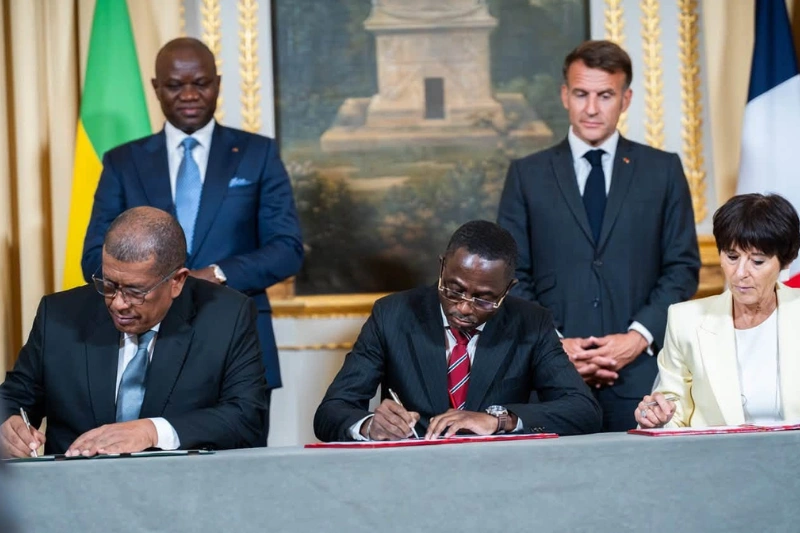
In July 2026, Gabon’s government and France’s Eramet signed a landmark agreement in Paris. The deal commits Eramet to locally process up to 700,000 tonnes of manganese ore annually by the end of 2031. Three potential pathways are under review: upgrading the Moanda metallurgical complex, establishing new processing units in Owendo, or constructing a manganese oxide battery plant near Libreville.
Public skepticism meets industrial commitment
The Ministry of Industry clarified that Eramet’s 700,000-tonne pledge is just one piece of the puzzle. Other mining operators will also be required to contribute to the nation’s processing ambitions. This collective effort aligns with Gabon’s broader strategy to phase out raw ore exports by 2029—a deadline looming large over the industry.
Energy and sustainability take center stage
Eramet’s push for local processing isn’t just about economics; it’s a step toward sustainable industrial practices. The company is integrating biocharcoal solutions to reduce reliance on fossil fuels, underscoring the sector’s pivot toward eco-friendly innovation ahead of the 2029 export ban.
