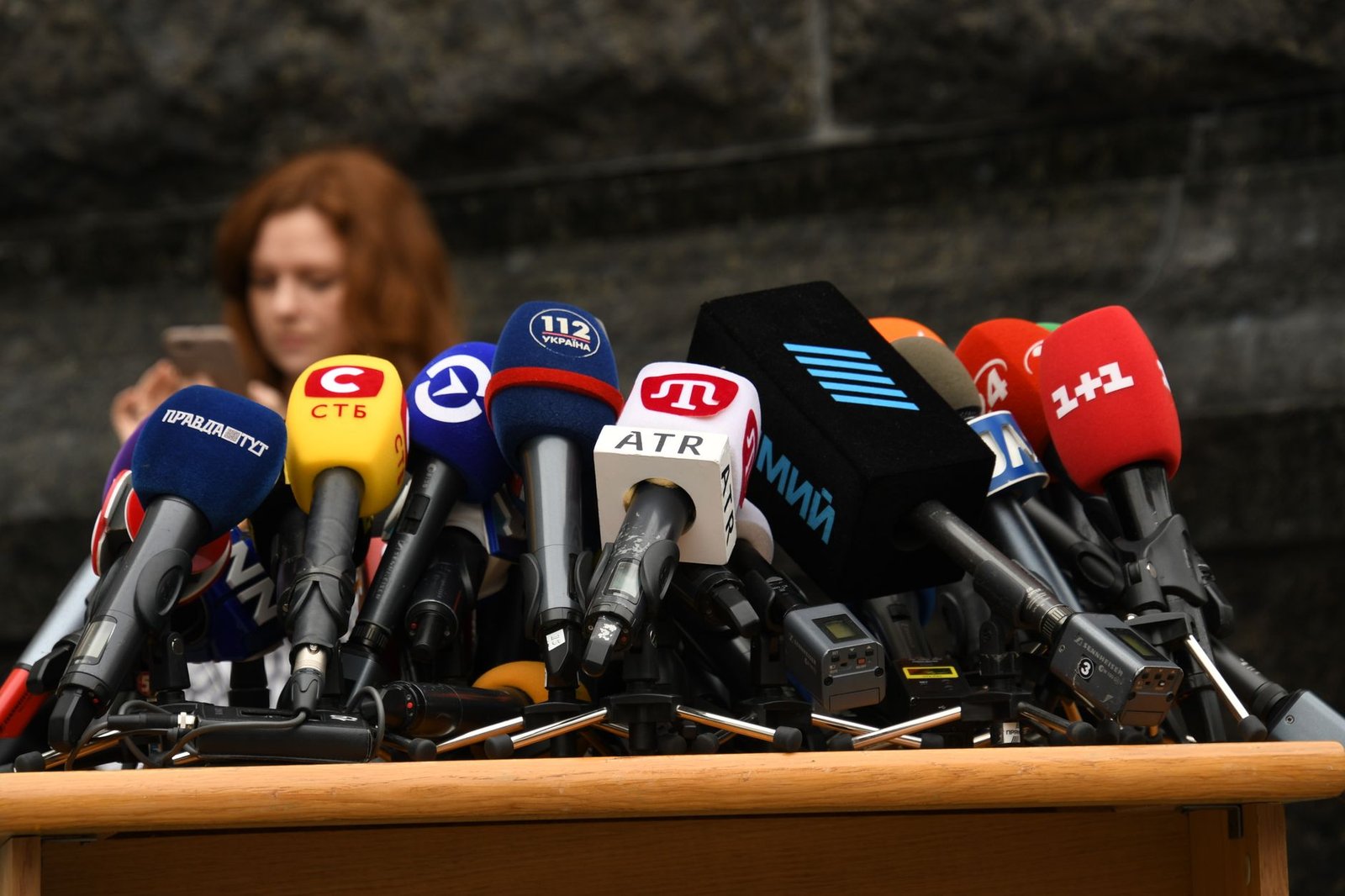
Gabon reinstates press card after five-year hiatus, sparking logistical concerns
The press card in Gabon has been reinstated after a five-year freeze, marking the end of a prolonged administrative gap that stripped journalists of a vital professional credential. The announcement, issued this week in Libreville, requires applicants to submit their documentation within just five days—a timeline that has sent ripples of concern through the media sector.
Five years of administrative limbo for Gabon’s journalists
The absence of an updated press card dates back to 2019, spanning the final years of former president Ali Bongo Ondimba’s tenure and the transition following General Brice Oligui Nguema’s rise to power in August 2023. This void left journalists navigating an uncertain professional landscape, where their status remained unrecognized amid a crowded information space now filled by communicators and influencers. The accreditation serves as more than a formality—it grants access to institutions, formalizes journalistic practice, and delineates legitimate media professionals from non-journalistic actors.
Within Gabon, media regulation is split between the Ministry of Communication and the High Authority for Communication. The resumption of card issuance signals a political commitment to restoring institutional clarity, particularly as the transitional government pledges to overhaul the media framework ahead of upcoming elections. In this context, a seemingly technical document takes on the weight of a normalization milestone.
Tight deadline exposes cracks in Gabon’s administrative readiness
The five-day submission window has intensified scrutiny over the feasibility of the process. Applicants must gather employer attestations, proof of professional experience, published work samples, and administrative documents—all within a compressed timeframe. For journalists based outside Libreville, such as in Port-Gentil, Franceville, or Oyem, the logistical hurdles are compounded by limited digitalization of public services.
Professional bodies, including the Gabonese Media Observatory and regional press associations like the Union of Francophone Press, are monitoring the rollout closely. One unanswered question looms large: how many journalists will ultimately qualify? Gabon’s media landscape includes a few hundred professionals spread across print, radio, television, and a rapidly expanding digital sector. The press card also serves as a critical tool for tracking the profession’s evolving realities.
Press card revival tests Gabon’s transitional commitment to media freedoms
This initiative unfolds against a backdrop of international scrutiny. In 2024, Reporters Without Borders ranked Gabon 56th globally in press freedom—a relatively favorable position for Central Africa but one that remains precarious. Media watchdogs emphasize that an official press card must not evolve into an arbitrary gatekeeping mechanism, restricting access to official events or press conferences.
Comparisons to Senegal’s experience offer valuable insights. In Dakar, the implementation of the 2017 Press Code dragged for years due to delays in activating the press card commission, fostering persistent tensions between authorities and media organizations. By contrast, Côte d’Ivoire’s Professional Press ID Commission now publishes annual lists, establishing a routine that Central African capitals are still struggling to replicate.
For Libreville’s transitional leadership, the stakes extend beyond mere administrative efficiency. A transparent process, paired with a reasonable timeline and clear criteria, would bolster the credibility of the government’s pledge to break from past practices. Conversely, a rushed rollout risks deepening skepticism among journalists who have weathered five years of political upheaval without meaningful improvements to their professional framework. The coming days will reveal whether the press card’s revival is a substantive act of reform or merely symbolic posturing.
