Gabon-EU fisheries talks: the strategic calculations behind a reset
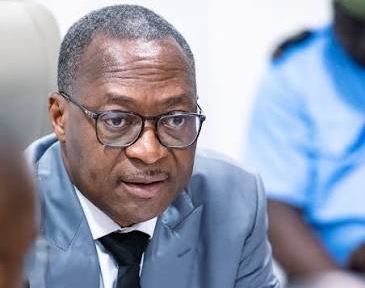
When Gabon’s Council of Ministers convened at the presidential palace in Port-Gentil on Friday, 18 September 2026, the decision to authorize negotiations for a new Sustainable Fisheries Partnership Agreement (SFPA) and its implementing protocol was more than a routine procedural step. It marked the culmination of a carefully calibrated strategy that began more than a year earlier, when Gabon walked away from its previous arrangement with the European Union. Fisheries Minister Aimé Martial Massamba has been tasked with steering the preparation of this renewed partnership, but the roots of the reset run deep.
The Council’s mandate went beyond a simple green light. It authorized the official notification of Gabon’s position to the European Union, the creation of a national negotiating team, and a schedule for successive rounds of talks. The stated objective is a partnership described as renewed, balanced, and mutually beneficial — one that simultaneously safeguards Gabon’s sovereignty over its fishery resources and ensures their sustainable exploitation. The government’s language reflects a deliberate framing: this is not a continuation of the old deal, but a fundamental reworking of the terms.
To understand why Port-Gentil is pursuing this path, it helps to look at what preceded it. On 4 June 2025, Gabon denounced the fisheries agreement that had bound it to the European Union. The protocol signed in June 2021, which expired on 28 June 2026, had permitted up to 33 European vessels to fish for tuna species in Gabonese waters. In return, the EU paid Gabon approximately €1.6 million per year, supplemented by contributions from shipowners. That financial envelope, Gabonese officials concluded, did not reflect the true value of the resource — nor did it deliver sufficient local economic benefits.
The decision to reopen talks did not emerge in a vacuum. Libreville and Brussels had already been exchanging views on the future of their cooperation in the sector. In June 2026, the European Union signalled its willingness to negotiate a “new generation” agreement and a fresh implementing protocol, taking into account the concerns Gabon had raised. That signal was a key turning point: it indicated that Brussels recognized the need to adapt its approach rather than simply roll over the previous terms.
About
Gabon’s government had made clear its intention not to renew the agreement in its existing form, arguing that it was unbalanced to Gabon’s detriment — both economically and in terms of local valorization of fishery resources. The underlying grievance was structural: a deal that allowed foreign vessels broad access while delivering limited returns to the national economy and insufficient support for domestic processing and job creation.
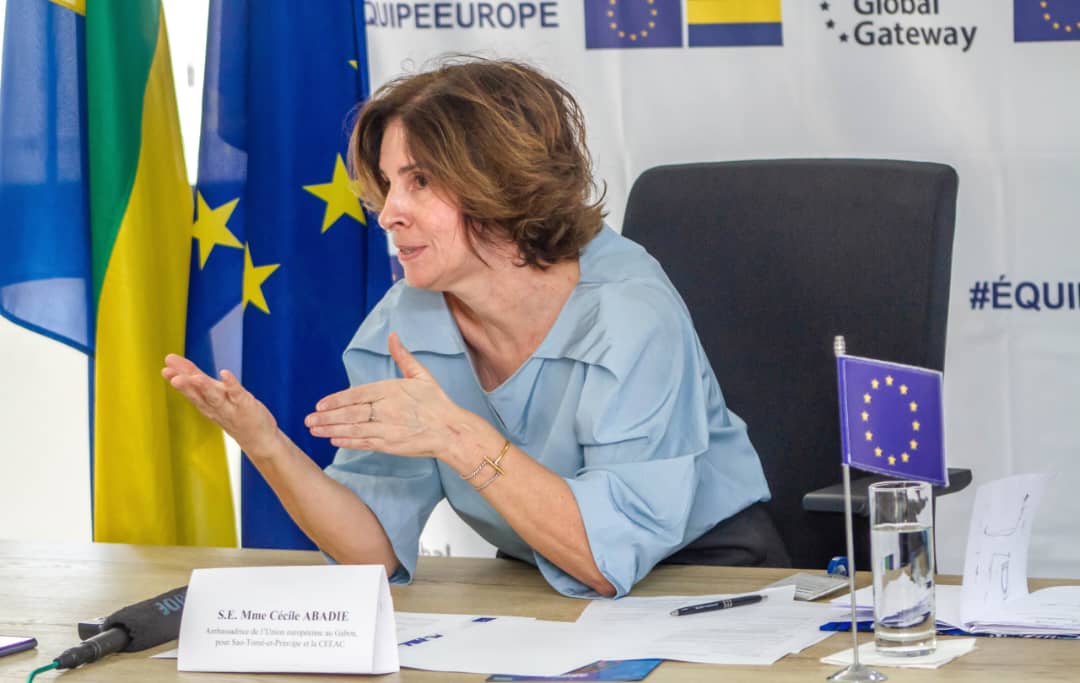
It was against this backdrop that the European Union’s ambassador to Gabon, Cécile Abadie, gave an exclusive interview in which she urged prioritizing dialogue over confrontation. “My wish is that we can sit around the table and discuss each of these points as quickly and as efficiently as possible,” she said. Her statement reflected Brussels’ desire to keep communication channels open and pave the way for negotiating a new partnership.
For his part, Minister Aimé Martial Massamba has placed fishery sovereignty, the fight against illegal, unreported, and unregulated (IUU) fishing, and the development of a sustainable blue economy among his department’s priorities. These are not merely rhetorical commitments. They signal the substantive issues that will define the negotiations: who controls access to Gabonese waters, how catches are monitored and reported, and how the benefits of the sector are distributed within Gabon’s economy.
Nkili Akieme

