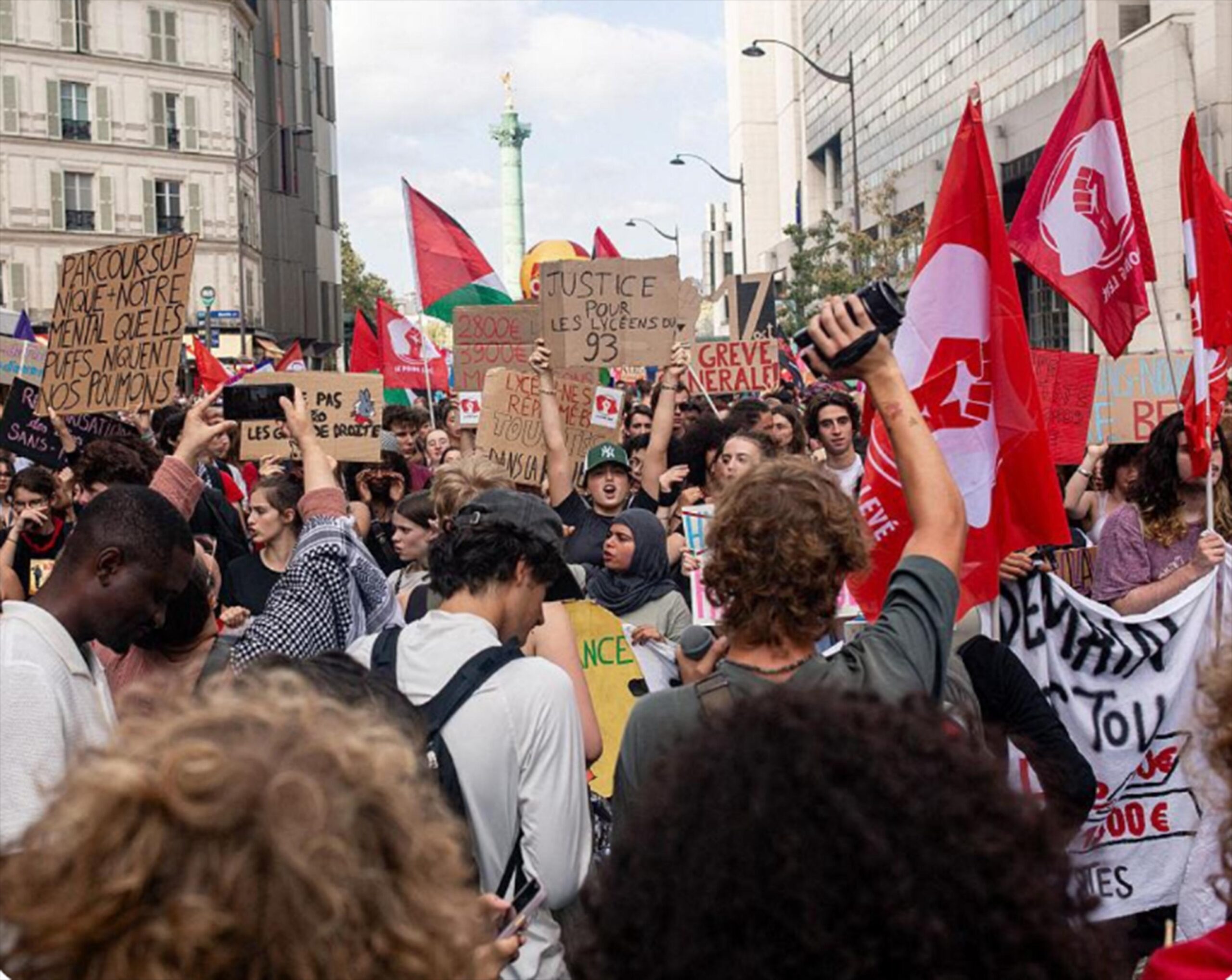
French youth protests escalate ahead of 2027 elections, spotlighting education system failures
France’s streets are burning with a new wave of youth-led protests, this time centered on the crumbling state of its education system. As the country gears up for a pivotal presidential election in 2027, the grievances of students are exposing deep flaws in a system they say has failed them.
From classroom frustration to nationwide demonstrations
The spark ignited in September when high school students took to the streets, decrying overcrowded classrooms, absent teachers, and dilapidated facilities. Their demands quickly expanded beyond school walls, drawing in university students, teachers, and even trade unions. By mid-October, the movement had swelled into a nationwide protest, with participants in Paris, Marseille, and other cities.
On October 17, the fifth consecutive Saturday of demonstrations saw turnout figures clash between organizers and authorities: unions claimed 480,000 protesters, while the Interior Ministry reported just 161,500. The discrepancy underscored not just the scale of the discontent but also the widening rift between young citizens and their government.
Education’s stark divide: Rich schools vs. struggling ones
The protests aren’t just about resources—they’re a referendum on France’s promise of equal opportunity. Students in underfunded neighborhoods face crumbling buildings, chronic teacher shortages, and schedules that stretch from dawn to dusk. Meanwhile, their peers in more affluent areas enjoy smaller classes and better support systems.
A government survey conducted earlier this month confirmed what students have long argued: school hours, teacher absences, and facility conditions top the list of complaints, far outpacing other concerns. Yet despite pledges to increase education funding in the 2027 budget, critics say the proposed fixes are too little, too late.
From schools to streets: A movement with wider stakes
The 17 October rallies revealed another layer to the crisis: the fusion of education demands with broader social grievances. Some protesters marched under the banner of the now-iconic “yellow vests,” amplifying calls for higher wages, better public services, and economic justice. The convergence of these movements has turned the protests into a multifaceted rebellion against a system many feel has abandoned them.
Violence flared in several cities, with clashes reported in Paris and Marseille. While most marches unfolded peacefully, the incidents raised urgent questions about police response, protest rights, and the erosion of civil discourse. Analysts warn against dismissing the movement’s legitimate concerns in favor of focusing solely on the chaos.
2027 Elections: Will the youth’s voice shape the outcome?
With the presidential race just months away, the protests have forced the issue of education to the forefront of the national debate. Candidates are now grappling with tough questions: Should education receive a bigger share of public spending? How can France close the achievement gap between rich and poor students? What safeguards can protect young people from economic precarity?
President Emmanuel Macron’s second term is drawing to a close, and the government’s response to these demands could define his legacy—or haunt his successor. Yet the protesters themselves are far from monolithic. Their concerns span affordability, job insecurity, and systemic inequality, meaning their votes in 2027 won’t come as a single bloc.
Can protests turn into lasting change?
The challenge ahead is transforming anger into action. Demonstrations have thrust critical issues into the spotlight, but sustained progress requires more than slogans and street clashes. It demands meaningful dialogue involving students, educators, families, and policymakers—not just empty promises or short-term fixes.
At its core, this movement is about more than education. It’s a fight for France’s soul. Will the country’s institutions listen? Or will another generation be left behind, its potential sacrificed to bureaucracy and broken promises?
Key takeaways from the protests
- Teacher shortages and crumbling infrastructure are driving student anger.
- Inequalities between schools are widening, undermining France’s commitment to equal opportunity.
- Social unrest is converging with education demands, creating a potent political force.
- Violence risks overshadowing the movement’s legitimate concerns.
- The 2027 election could hinge on how politicians address youth grievances.
