
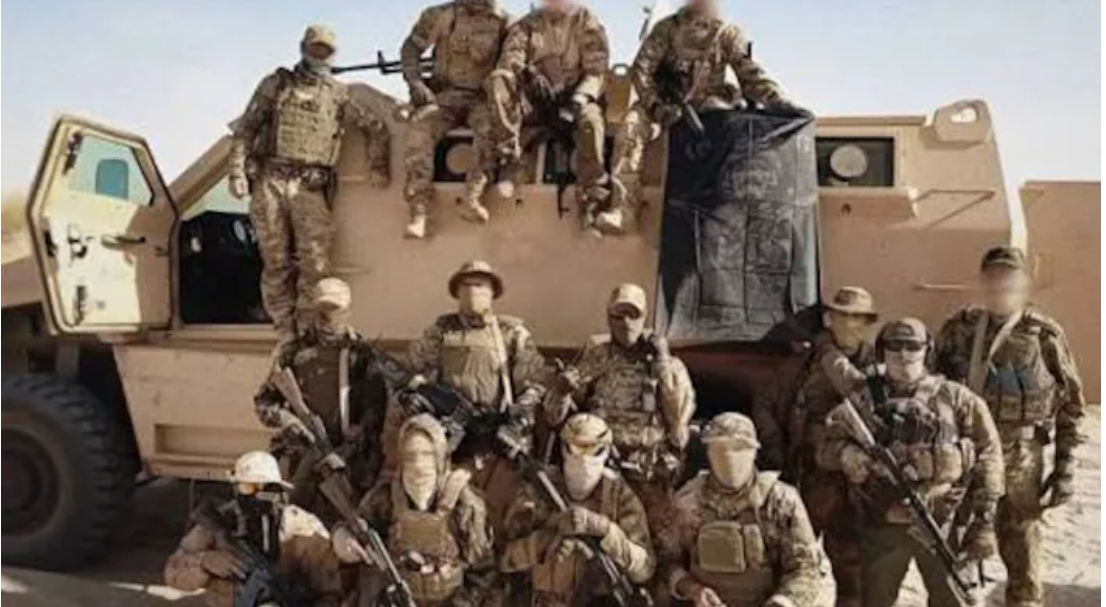
The northern regions of Togo are confronting an escalating terror threat emanating from the Sahel, yet the suspected deployment of foreign military and paramilitary forces has ignited a fierce national debate in Lomé. In a joint statement released in July 2026, a coalition of opposition parties and civil society groups has directly challenged President Faure Gnassingbé’s administration over what they describe as a lack of transparency surrounding these foreign presences.
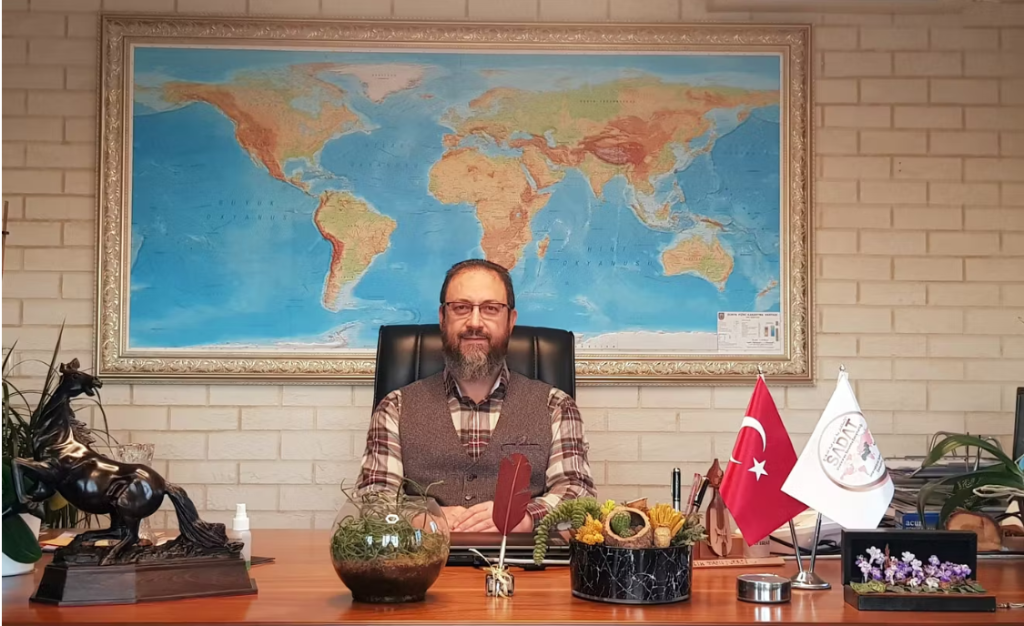
Among the key points of contention are the opaque involvement of the Africa Corps, widely believed to be a reorganized unit of Russian security personnel, and the opaque contracts with the Turkish private military firm SADAT. The opposition is demanding urgent clarifications on troop numbers, operational mandates, and the legal frameworks governing these deployments—all of which remain shrouded in secrecy.
United opposition demands accountability from government
The political temperature in Togo’s capital has risen sharply as a united front of opposition factions, including the Dynamique Monseigneur Kpodzro (DMK), the Dynamique pour la majorité du peuple (DMP), the Lumière pour le développement dans la paix (LDP), and the Front « Touche pas à ma Constitution », has broken its silence with a joint declaration.
The statement zeroes in on the presence of foreign military and paramilitary personnel, particularly in the Savanes region—a northern area bordering Burkina Faso that has been increasingly targeted by armed extremist groups. While the opposition acknowledges the necessity of external support in combating terrorism, they insist that the absence of official communication is unacceptable. Their demands center on full transparency regarding the legal status, precise missions, and oversight mechanisms for these foreign operatives.
Russia’s Africa Corps and Turkey’s SADAT under scrutiny
The coalition’s concerns revolve around two controversial actors: the Africa Corps, a restructured Russian security formation active across the Sahel, and SADAT, a Turkish military advisory firm with close ties to Ankara. While reports—though unconfirmed—suggest the presence of up to 350 Russian personnel in Togo, the government has provided no official confirmation. Similarly, SADAT’s alleged role in providing technical assistance, training, or operational guidance to local forces remains unverified.
Without concrete data from Lomé, Moscow, or Ankara, speculation about the true nature of these deployments persists. Critics question whether these teams are merely technical advisors or if they are actively participating in combat operations, raising serious concerns about Togo’s sovereignty and legal compliance.
Legal, financial, and political implications of foreign military presence
The opposition’s statement does not outright reject international partnerships but highlights critical gaps in Togo’s governance framework. Key demands include:
- Chain of command: Ensuring that all foreign personnel operate under the direct authority of Togo’s Armed Forces (FAT) and comply with national and international laws.
- Civil liberties: Preventing foreign operatives from involvement in domestic law enforcement, surveillance, or intimidation tactics against civilians or political figures.
- Financial transparency: Demanding a public accounting of the costs borne by the Togolese treasury for these security arrangements, which have not been subject to parliamentary scrutiny.
These concerns underscore broader fears of foreign interference in Togo’s internal affairs, particularly as the government expands its security alliances beyond traditional Western partners.
Gnassingbé’s strategic pivot toward new defense partners
While the government has not yet responded publicly to the opposition’s demands, President Faure Gnassingbé’s administration has been steadily diversifying its defense alliances over recent years. This shift began in 2021 with a military cooperation agreement with Turkey, leading to the acquisition of Bayraktar TB2 combat drones—now pivotal in monitoring the northern borders. Concurrently, strengthened ties with Russia have materialized through military intelligence-sharing, officer training programs, joint exercises, and access to logistical infrastructure.
These developments are now formally integrated into the Togo-Sahel Strategy 2026-2028, a government roadmap aimed at deepening security cooperation with foreign partners. The stated goal remains the containment of jihadist expansion toward the Atlantic coast and the protection of national territory.
Why a national debate is overdue
The controversy over foreign troop deployments transcends technical military discussions. In a Sahel region marked by political instability and shifting geopolitical alliances, the demand for clarity has become essential for national stability. For civil society and opposition groups, security policies must not be crafted behind closed doors. A transparent parliamentary or public debate is seen as critical to:
- Dispelling uncertainty around the legal basis for foreign interventions.
- Preventing security arrangements from becoming a source of internal political friction.
- Ensuring that national sovereignty and public funds are not compromised without robust oversight.
As the government remains silent, public scrutiny intensifies, with citizens and political actors alike awaiting concrete answers on a matter that strikes at the heart of Togo’s democratic and sovereign integrity.