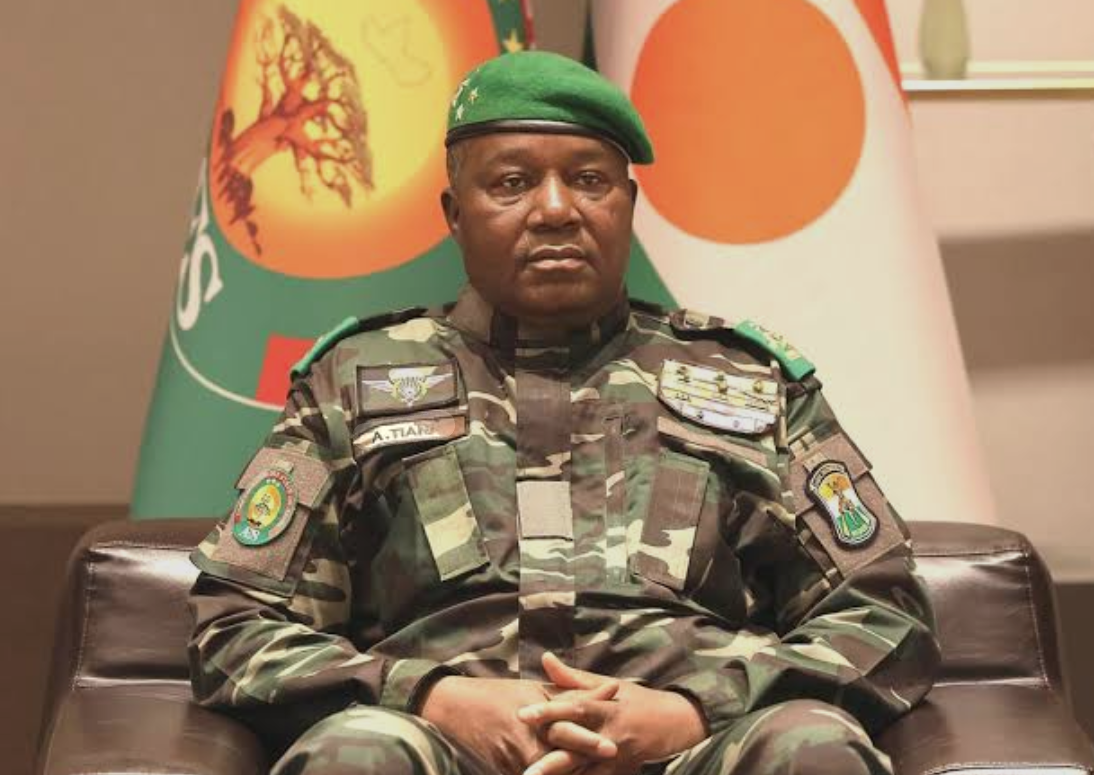
Fallout in Niger: rising backlash and what comes next after Tiani’s ministerial purge
Niger’s failed coup attempt has left a trail of consequences that keeps widening. Barely days after a harsh shake-up at the top of the military command, General Abdourahamane Tiani dismissed four key ministers by decree, and the reaction across the country has been swift, uneasy and far from unanimous. Ever since the abortive power grab of the night of 28 to 29 August, the junta has been governing as if each cabinet meeting could be its last — and the public debate now turning around that reality is as much about what has already broken as about what may come next.
Reactions in Niamey: a junta talking mostly to itself
The first response came from the top. After decapitating the military hierarchy and carrying out a string of targeted arrests inside the ranks, the National Council for the Safeguard of the Homeland extended its house-cleaning to the executive branch. Agriculture, agrarian reform, energy and communications were all handed over to new hands with immediate effect.
Those portfolios are anything but marginal. Energy and communications, in particular, are the levers that determine how much of the story a government gets to tell and how much fuel it keeps moving. By redistributing them among loyalists, the general is trying to close ranks and lock down every strategic instrument still within reach.
Outside the palace walls, however, the mood is different. In a capital that has grown used to announcements arriving without warning, many read the reshuffle less as a sign of strength than as evidence of a leadership scrambling to hold its own house together.
The debate nobody in power wants to hear
There is a bitter irony running through this sequence, and it has not escaped public discussion. General Tiani only reached the presidency by overthrowing, in July 2023, the democratically elected Mohamed Bazoum. A former commander of the presidential guard, he used armed force and the trust placed in him by state institutions to stage his own takeover.
Today he appears trapped by the same logic. Anyone who understands how quickly an undemocratic order can collapse from within tends to live in permanent expectation of an internal threat — and in politics as in the barracks, legitimacy cannot be manufactured by decree. Those who seize power by the gun expose themselves to the very fate they inflicted on others.
What the purge reveals about the regime’s grip
This anxiety at the summit of the state points to something more concrete than personal nerves: the junta no longer fully controls its own apparatus. Friction inside the armed forces is sharpening, and the August plot was only the visible symptom of a much deeper fracture within Niger’s military elite.
While ministers are swapped, the country carries the cost
As the general rearranges ministries and rewards loyalists with posts meant to guarantee his own security, ordinary Nigeriens absorb the price of chronic instability. Since the military takeover, the country has slid into a security spiral that no reshuffle addresses.
The original justification for the 2023 coup — improving security against armed extremist groups — has collapsed on every front:
- A worsening terrorist threat: attacks by groups linked to Al-Qaeda and the Islamic State have multiplied along border zones, leaving a growing toll of civilian and military victims.
- A strategic vacuum: by abruptly breaking traditional military alliances and pushing partner forces out, the regime left entire stretches of territory without effective protection.
- A humanitarian and economic crisis: spreading insecurity and sanctions have paralysed local economies, pushing millions of people into extreme vulnerability.
What comes next: more of the same, or a reckoning?
Nothing in this latest government reshuffle touches the structural problems facing Niger. Replacing people rather than methods only pushes the deadline further away. The steady militarisation of institutions and the hunt for scapegoats inside the cabinet are signs of a leadership without a clear political project.
Governed by fear, suspicion and perpetual purge, the regime drifts further into isolation with each passing week. Neither press restrictions nor the rapid replacement of energy or communications ministers will hide an obvious truth: the stability the junta promised has turned into institutional and security chaos, and the people of Niger remain its first casualties.
The open question now is whether the fallout from the failed coup will force a change of course — or simply produce another round of dismissals, another round of silence, and another year of uncertainty for a country that has already paid far too much for its rulers’ fear.
