Experts denounce electoral legitimacy of coup leaders in africa
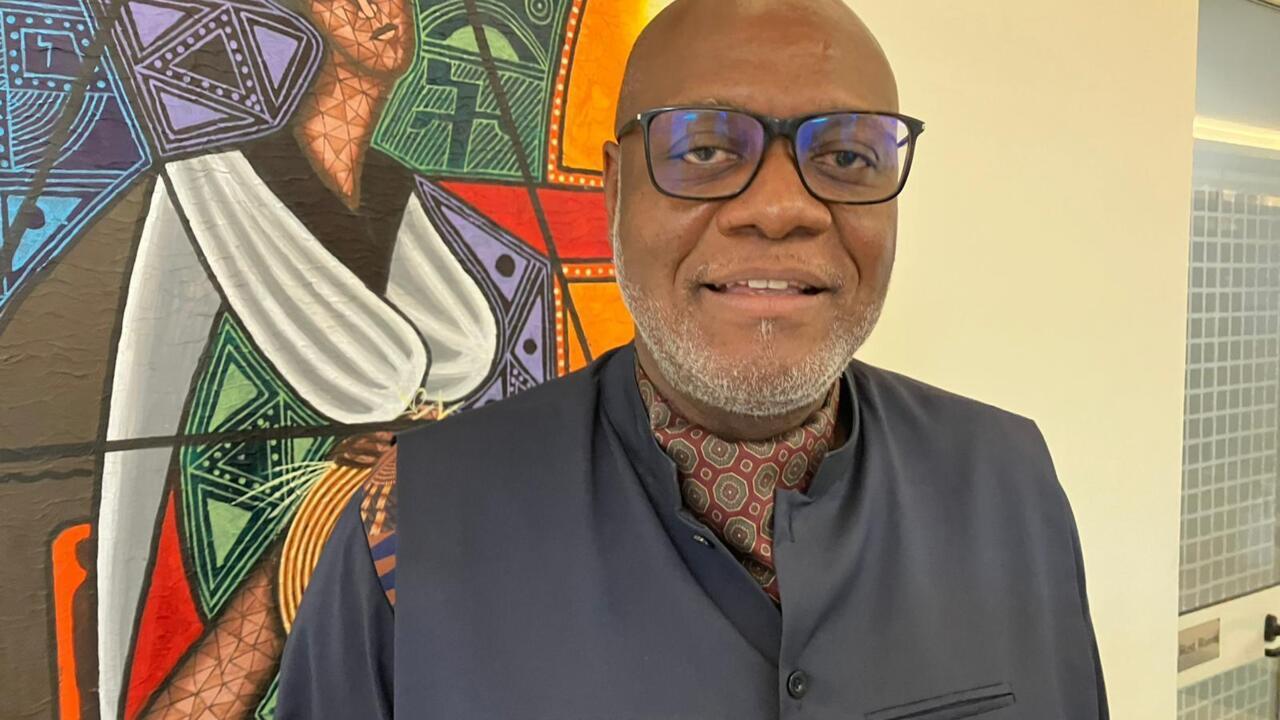
The 39th African Union summit concluded with a bold declaration: to silence the guns and firmly reject unconstitutional changes of power. But can this commitment truly hold weight? Paul-Simon Handy, a prominent Cameroonian researcher and Regional Director of the Institute for Security Studies (ISS) for East Africa, joined the discussion in Addis Ababa as a featured guest on Africa Midi.
a controversial stance on electoral legitimacy
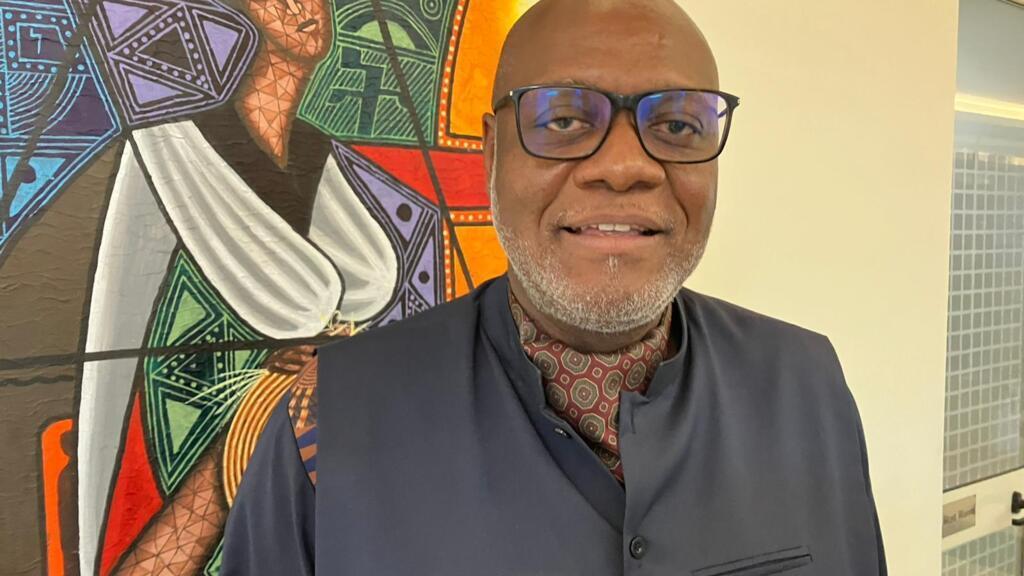
During the interview, Paul-Simon Handy did not mince words: it is unacceptable for leaders who orchestrated coups to be democratically elected later. This statement challenges the narrative that elections can retroactively legitimize unconstitutional power grabs. Handy argued that such processes undermine democratic principles and send conflicting signals to the continent.
He emphasized that while the African Union has declared zero tolerance for unconstitutional changes of government, the reality remains complex. Elections following coups often occur under questionable conditions, raising doubts about their fairness and transparency. Handy insisted that international and regional bodies must enforce stricter criteria to prevent the normalization of such transitions.
the african union’s resolve under scrutiny
The AU’s latest summit in Addis Ababa underscored its commitment to silencing the guns by 2030 and ending the cycle of military takeovers. However, Handy questioned whether these declarations would translate into tangible actions. He pointed out that previous pledges have often fallen short, with some coup leaders later securing electoral victories despite initial condemnations.
Handy’s critique extends to the broader implications of legitimizing coup-born leaders. He warned that doing so could embolden future putschists, creating a dangerous precedent across Africa. The researcher called for a unified stance where the AU and regional blocs refuse to recognize governments that emerged from unconstitutional means, regardless of subsequent electoral processes.
key takeaways from the discussion
- Democracy cannot be retroactively granted: Elections held after coups do not erase the illegitimacy of the initial power grab.
- Enforcement is critical: The AU must move beyond declarations and implement mechanisms to hold violators accountable.
- Precedents matter: Recognizing coup-born leaders sets a dangerous standard that could encourage further instability.
- Regional solidarity is vital: Consistent policies across African blocs are essential to prevent normalization of unconstitutional transitions.
The debate over whether democratic elections can legitimize coup leaders remains a contentious issue. As the African Union grapples with balancing stability and democratic values, voices like Paul-Simon Handy’s serve as a reminder of the challenges ahead. The coming years will test whether the AU’s bold declarations can overcome entrenched political realities.
