European hostages freed in Niger after 18 months: Libya’s role questioned
Two women walk free after prolonged captivity in the Sahel
After 18 months in captivity, Austrian Eva Gretzmacher and Swiss national Claudia Abbt have been released. Their transfer to Benghazi, Libya, marks the end of a prolonged ordeal, though questions linger about the exact conditions of their freedom and the actors involved in securing their release.
The timing of their liberation raises eyebrows, arriving amid ongoing security concerns in the Sahel and persistent rumors of Libyan involvement in regional mediation efforts. While their families and authorities welcome the news, the lack of clarity surrounding the negotiation process has fueled speculation about the true nature of the concessions made.
Agadez: The epicenter of two separate abductions
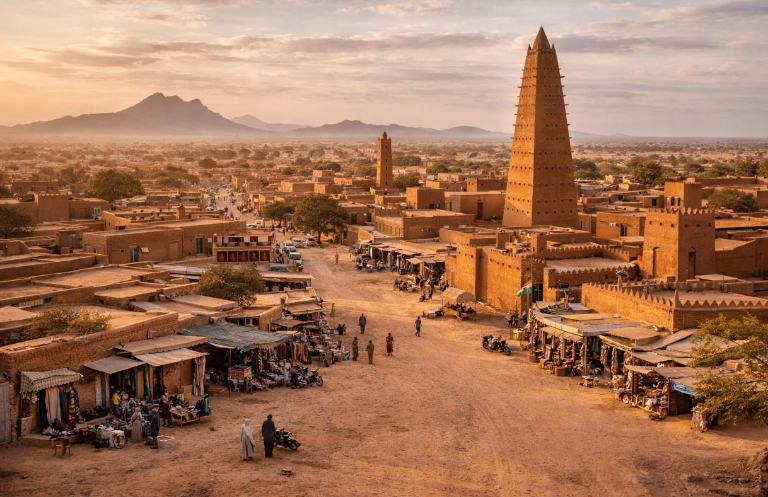
Eva Gretzmacher was kidnapped in January 2025 while working in Agadez, a critical hub in northern Niger. Known for its trade routes connecting the Sahara to the rest of the country, Agadez has become an increasingly dangerous environment for foreigners. Months later, in April 2025, Claudia Abbt faced a similar fate in the same city. These incidents highlighted the vulnerability of Westerners in regions where militant groups operate with near impunity.
Intelligence reports have suggested possible ties to the Islamic State in the Sahel, though concrete evidence remains scarce. The prolonged captivity of both women underscores the challenges of securing hostages in a region plagued by armed factions and porous borders.
Libya’s shadowy mediation under scrutiny
Benghazi, a stronghold of Libyan military leader Khalifa Haftar, has become the focal point of the hostages’ release. While no official statements have confirmed Libya’s direct involvement, whispers of negotiations conducted through Haftar’s networks persist. Questions about his son, Saddam Haftar, and his potential role add another layer of complexity to an already opaque process.
The circumstances of their transfer to Benghazi remain unclear, with reports offering conflicting accounts. What is certain is that the operation has reignited debates over Libya’s influence in Sahelian security crises. For some, Haftar’s regime represents a pragmatic partner in counterterrorism efforts; for others, it embodies the risks of engaging with non-state actors in conflict zones.
Niger’s security crisis deepens despite hostage release
The liberation of Gretzmacher and Abbt offers only temporary relief for Niger, a country grappling with escalating violence. Militant groups continue to exploit the country’s vast, poorly monitored regions, particularly in the north where Agadez is located. The porous borders and logistical hurdles faced by security forces make it nearly impossible to prevent kidnappings.
Western governments have responded by updating travel advisories, with several advising against all non-essential travel to Niger. The warnings reflect a stark reality: the threat of abduction remains a persistent risk for foreigners, particularly in areas where militant factions operate.
Unanswered questions loom over the resolution
While Eva Gretzmacher and Claudia Abbt are now free, critical questions remain unanswered. Who were their captors? How did negotiations unfold? Were there concessions made to secure their release? Without official clarity, the full details of the operation remain shrouded in mystery.
Theirs is a story that illustrates the broader challenges of hostage recovery in the Sahel. Often, success hinges on covert negotiations, local intermediaries, and fragile alliances—none of which lend themselves to transparency. As the region’s security crisis continues to evolve, the case of these two women serves as a stark reminder of the vulnerabilities faced by those caught in its crossfire.
