
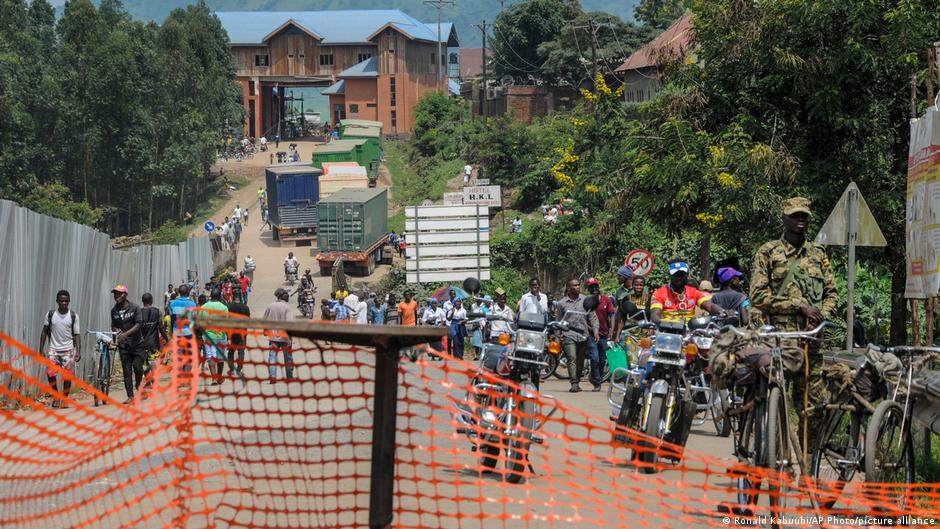
Ebola outbreak escalates: why keeping borders open is critical
The Democratic Republic of Congo is grappling with a relentless Ebola outbreak, with over 3,000 confirmed cases and nearly 1,500 deaths according to the latest government data. Health experts describe the spread as exponentially increasing, with cases doubling every 20 days—a pace far outstripping the response efforts.
Julien Harneis, the United Nations’ Ebola response coordinator, emphasized that border closures could hinder critical interventions. “Restricting crossings disrupts the flow of medical supplies and blocks the movement of health workers,” he noted. “Unauthorized routes used by displaced populations are harder to monitor, creating gaps in containment.”
Why open borders matter in the fight against Ebola
Several neighboring countries initially imposed restrictions in response to the 17th Ebola outbreak in the DRC. Rwanda, for instance, temporarily shut its land borders with the DRC before partially reopening them in early July, implementing health checks like handwashing and temperature screening. Uganda also suspended cross-border movements briefly, though it maintained exemptions for humanitarian aid, security operations, and essential trade.
Beyond Africa, Canada announced in July that it would deny entry to foreign nationals who had visited the DRC within the past 21 days and suspend certain immigration services for travelers from the DRC, Uganda, and South Sudan.
However, the UN warns that such measures can backfire. Border closures may force people to use unmonitored paths, complicating tracking and containment. Open borders are essential to ensure rapid delivery of medical equipment, the deployment of response teams, and the mobility of healthcare workers across the DRC.
Ebola’s ripple effect on food security
The World Food Programme (WFP) describes the outbreak as “a crisis layered on top of another crisis.” In Ituri, the epicenter of the epidemic, 1.9 million people require urgent food assistance. But the impact extends further: families caring for Ebola patients often divert resources to meet basic needs, leaving communities vulnerable to malnutrition.
Butoto Bigiri Naum, head of the NGO Action for Community Development and Well-being (UGEAFI), highlighted the strain on rural and health-vulnerable populations. “Families take patients home when humanitarian support falls short. Food shortages worsen as travel restrictions disrupt supply chains, making seeds, tools, and other agricultural inputs nearly impossible to obtain.”
According to the WFP, over 2.65 million people in Ebola-affected health zones face acute food insecurity, including 628,000 in emergency conditions. Women, children, and pregnant women are disproportionately affected by limited access to food.
The epidemic exacerbates food insecurity through several channels:
- Market disruptions: Scarce supplies drive up prices, making it difficult for households to afford essentials.
- Agricultural decline: Fear of contagion and labor shortages lead farmers to abandon fields, threatening long-term harvests and food production.
- Humanitarian strain: Families struggling to feed themselves may fail to comply with Ebola containment measures, further spreading the virus.
To mitigate these risks, the WFP provides food aid to Ebola patients, their close contacts, frontline workers, and affected households. This support helps families adhere to quarantine protocols while easing the burden of food insecurity. It also reduces unnecessary travel in search of food, creating conditions that support effective health interventions.
The organization’s efforts aim not only to combat hunger but to strengthen the broader response to Ebola by addressing the social and economic fallout of the outbreak.