Ebola outbreak in DRC crosses 2,000 death mark amid rising cases
Ebola outbreak in DRC crosses 2,000 death mark amid rising cases
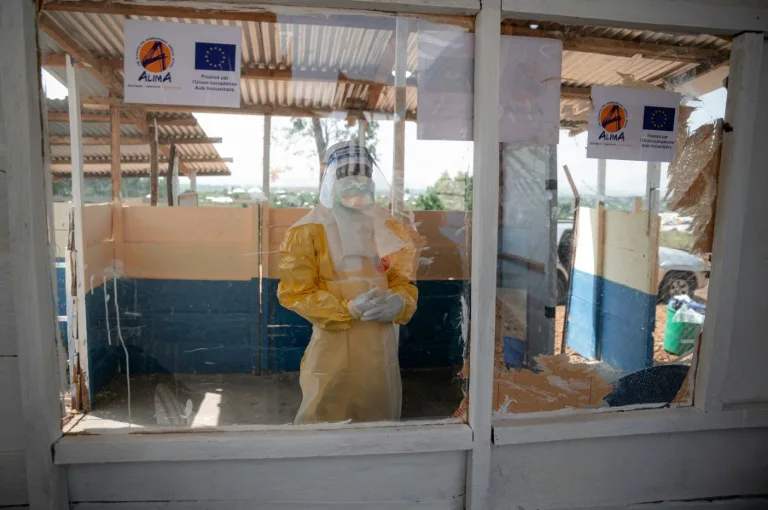
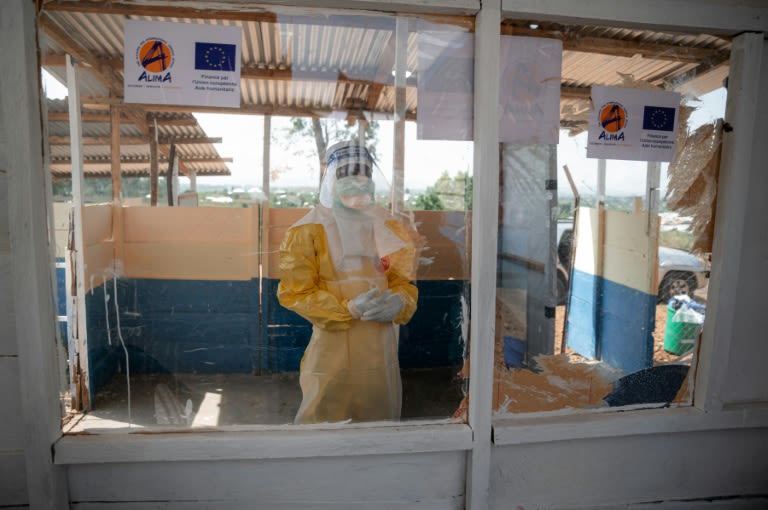
The Ebola outbreak in the Democratic Republic of Congo (DRC) has now claimed over 2,000 lives, escalating toward the grim milestone set during the 2018-2020 crisis—the deadliest in the nation’s history. Health authorities confirmed 2,011 fatalities out of 4,381 recorded cases as of the latest official update, with the death toll surpassing the 1,000 mark just weeks earlier on July 22.
Declared on May 15—weeks behind schedule—the DRC’s 17th Ebola outbreak has already been labeled the country’s most devastating. Sania Nishtar, CEO of Gavi, the Vaccine Alliance, warned that the situation could evolve into the largest Ebola epidemic ever documented globally.
Health Minister Samuel Roger Kamba cautioned that the outbreak has yet to peak, emphasizing that transmission rates remain dangerously high. “We anticipate the situation will stabilize within the next three months, with case numbers beginning to decline,” he stated in a televised briefing.
The current mortality rate stands at 45.9%, a stark reminder of Ebola’s lethality. However, experts highlight a critical challenge: underreporting. According to regional WHO officials, only 30% of infected individuals receive medical care, while the remaining 70% succumb at home—particularly in conflict-ridden areas like Ituri Province.
“This epidemic differs from previous ones,” explained Mohamed Yakub Janabi, WHO’s Africa Regional Director, during a press conference in Bunia. “The combination of armed group violence and public distrust is severely hampering containment efforts.”
Vaccine trials offer a glimmer of hope
In response to the crisis, WHO has greenlit accelerated clinical trials for the Ervebo vaccine, the only approved Ebola immunization to date. However, since the current outbreak involves the rare Bundibugyo variant, researchers are exploring modified approaches. Tedros Adhanom Ghebreyesus, WHO Director-General, hailed the initiative as “encouraging progress”.
The Ervebo stockpile, manufactured by Merck and managed by Gavi, holds approximately 500,000 doses, with a portion pre-positioned in the DRC due to the country’s recurring epidemic risks. Gavi, a global alliance for vaccine access, stressed that existing safety data on Ervebo could fast-track trials directly to Phase 3, typically involving thousands of participants.
Additional vaccine candidates are in development, including Moderna’s experimental shot, recently approved for clinical testing by Canadian regulators, and two others: the rVSV Bundibugyo vaccine (developed by Hilleman Laboratories and deemed the most promising by WHO) and a candidate from the University of Oxford, which administered its first dose to a volunteer in late July.
The United States has also pledged $242 million in emergency funding to bolster the DRC’s Ebola response, underscoring the outbreak’s international stakes. Ebola, transmitted through bodily fluids, has claimed over 15,000 lives across Africa in the past five decades.
