Eastern DRC faces compounded crisis of ebola and food insecurity
eastern DRC faces compounded crisis of ebola and food insecurity
Families in eastern Democratic Republic of the Congo are trapped between two deadly threats: the relentless spread of Ebola and the deepening hunger gripping the region. As violence forces people from their homes and shuts down markets, the most vulnerable populations face an impossible choice—risking infection while seeking food or enduring starvation in silence.
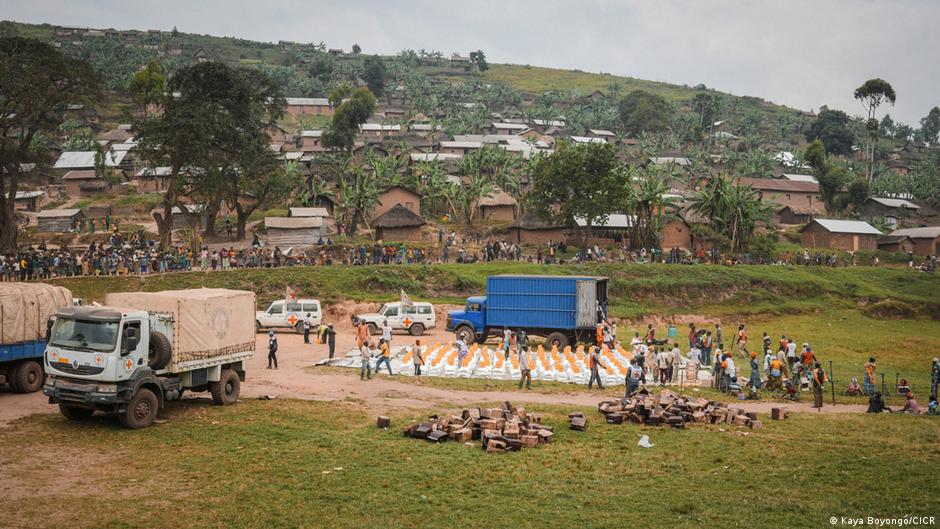
Humanitarian organizations have resumed critical food and seed distributions, reaching over 80,000 people despite logistical hurdles. Yet the question remains: how can aid reach those most in need when communities are caught between the terror of disease and the desperation of hunger?
Ebola’s toll on a region already shattered by conflict
The Ebola outbreak has compounded the suffering of communities already devastated by years of armed conflict. Decades of violence have destroyed livelihoods, displaced millions, and left families with no safety net. Now, the epidemic has further crippled their ability to cope. Travel restrictions, market closures, and fear of infection have paralyzed daily life, pushing survival strategies to the brink.
Households that once relied on small-scale farming now struggle to access their land. Many have been forced to abandon fertile fields, concentrating their efforts on whatever plots remain near villages deemed “safe.” This over-exploitation accelerates soil degradation, threatening long-term food security. Meanwhile, agricultural support services—vital for improving yields—have ground to a halt in many areas, leaving farmers without guidance or resources.
Border closures choke lifelines for rural communities
In border regions, the crisis is particularly acute. Trade flows that once sustained local economies have been severed by closures and heightened security measures. For countless families, these exchanges were not just about goods—they were lifelines. The loss of cross-border commerce has stripped away income sources, deepening poverty and hunger.
Humanitarian agencies warn that without sustained assistance, the situation could spiral further. Food distributions and seed supplies offer temporary relief, but the underlying drivers—conflict, displacement, and disease—remain unaddressed. The most fragile households, already pushed to the edge, face the heaviest burden as resources dwindle and resilience fades.
