Durban mob killing: African Union brands South Africa’s xenophobia a continental threat
The African Commission on Human and Peoples’ Rights has branded the brutal lynching of a foreign national in Durban a potential crime against humanity, demanding Pretoria act immediately to halt rising xenophobic violence.
What happened in Durban
A man in his late 30s or early 40s was beaten to death by a crowd of about 50 people in the heart of Durban on 22 October 2026, according to police reports. The victim was attacked on the side of a road and died at the scene from his injuries. Authorities have not yet publicly disclosed his nationality or the full details of the assault.
Union slams Pretoria over systemic failure
In a sharply worded statement released on 23 October, the African Commission on Human and Peoples’ Rights condemned the killing with the utmost urgency. It warned that the reported circumstances may amount to a crime against humanity—language that underscores the gravity of the crime and signals that South Africa’s leadership must treat xenophobic violence as a national emergency.
The Commission called for an immediate, impartial, thorough, and transparent investigation to identify and prosecute those responsible, while urging Pretoria to treat recurring xenophobic violence not as isolated incidents, but as part of a broader crisis requiring coordinated, high-level state action.
Migrants in the crosshairs
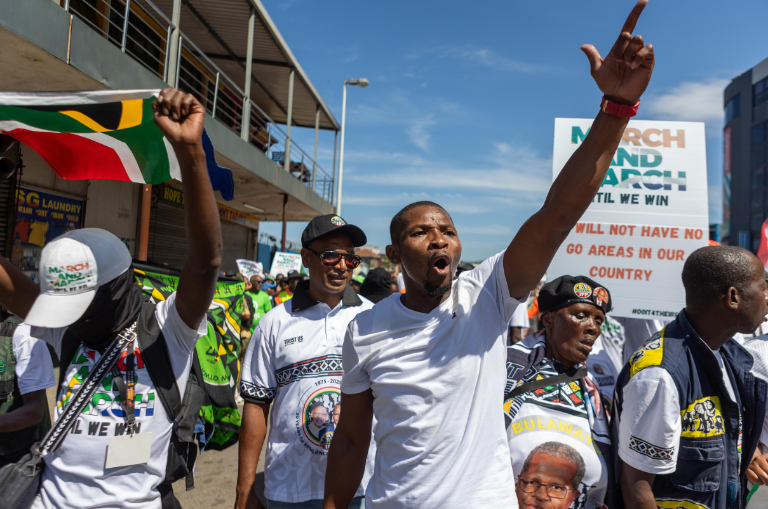
Durban, South Africa’s third-largest city, has become a flashpoint for anti-immigration sentiment. Protests against foreigners—particularly those in irregular status—have escalated into mob violence, looting, and property destruction. Militant groups blame migrants for rising unemployment, crime, and pressure on public services, amplifying a climate where migration policy debates increasingly spill into vigilante justice.
Human rights advocates stress that immigration control is the sole domain of the state. No group or individual has the right to hunt, punish, or kill people deemed undesirable based on origin or nationality.
Constitutional duty on trial
The South African Human Rights Commission also condemned the killing, classifying the reported circumstances as a crime against humanity and insisting that perpetrators be held fully accountable. The Constitution guarantees the right to life for everyone within South Africa’s borders, regardless of nationality or migration status, the Commission emphasized.
Pretoria now faces a dual imperative: addressing public concerns over border management while upholding the law and protecting all residents from mob violence. A credible judicial response to the Durban killing will be pivotal—strong convictions could deter future vigilante acts, while impunity risks normalizing further assaults.
Panafrican solidarity under strain
The incident raises difficult questions about Africa’s shared future. The continent’s history of anti-apartheid solidarity—when many African nations supported South Africa’s liberation—now contrasts sharply with the rising xenophobic violence faced by migrants from one African country to another.
The African Commission’s stance is clear: the right to life cannot depend on nationality. It is calling on authorities, political leaders, and civil society to dismantle hate speech, shield vulnerable groups, and uphold the rule of law before the cycle of violence escalates further.
Durban has already paid the price with one life lost. For this tragedy not to become the first act in a longer tragedy, moral condemnation must now translate into decisive action—justice must be served, and leadership must be measured by its ability to stop xenophobic mobs from claiming more victims.
