DRC cracks down on TikTok amid rebel propaganda surge
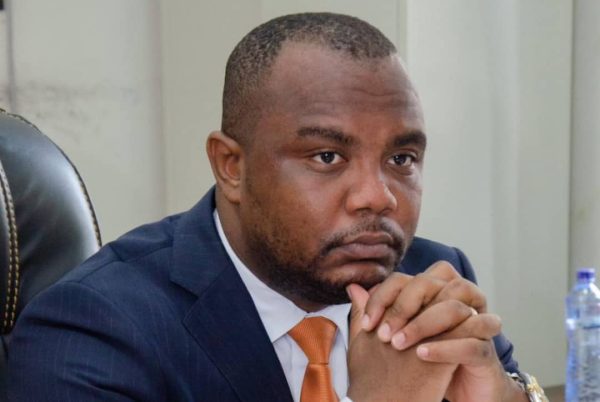
The head of the Democratic Republic of the Congo’s High Council for Audiovisual and Communication (CSAC), Christian Bosembe, has declared decisive action against TikTok, vowing to shut down accounts spreading propaganda for the AFC-M23 rebel group. Negotiations with TikTok’s leadership are underway to enforce the ban, as authorities accuse the platform of providing a digital megaphone to extremists.
Bosembe condemned the presence of Corneille Nangaa, labeled a terrorist, on the platform, stating it undermines national security in a country already grappling with conflict. He emphasized that allowing rebel-linked content to thrive cannot be tolerated in a state committed to protecting its citizens.
ADVERTISING
Global standards must apply in DRC, says CSAC chief
Bosembe drew parallels with stricter policies elsewhere, questioning whether platforms like TikTok would permit accounts linked to Al-Qaïda in the United States or Hezbollah in France. His answer was a resounding no. Yet in the DRC, rebel propaganda flows unchecked, he argued, exposing a dangerous double standard that the government can no longer ignore.
The CSAC’s move follows its duty to preserve public order and national unity. It referenced Gabon’s precedent of banning TikTok to justify its stance. The crackdown comes as the AFC-M23 faces accusations of massacring civilians in eastern DRC, displacing thousands and fueling regional instability—allegedly with backing from neighboring Rwanda, which Kinshasa accuses of exploiting Congo’s mineral wealth.
Digital sovereignty takes center stage in Kinshasa
Beyond TikTok, this decision signals a broader shift in the DRC’s approach to digital governance during wartime. Authorities are determined to reclaim control over social media platforms accused of amplifying enemy narratives. The CSAC’s intervention could set a precedent for how conflict zones regulate online spaces, ensuring they do not become havens for destabilization.
« At some point, the Congolese state must assert itself. And to do that, it has to shut down these channels », Bosembe insisted, underscoring the urgency of curbing digital threats to national stability.
