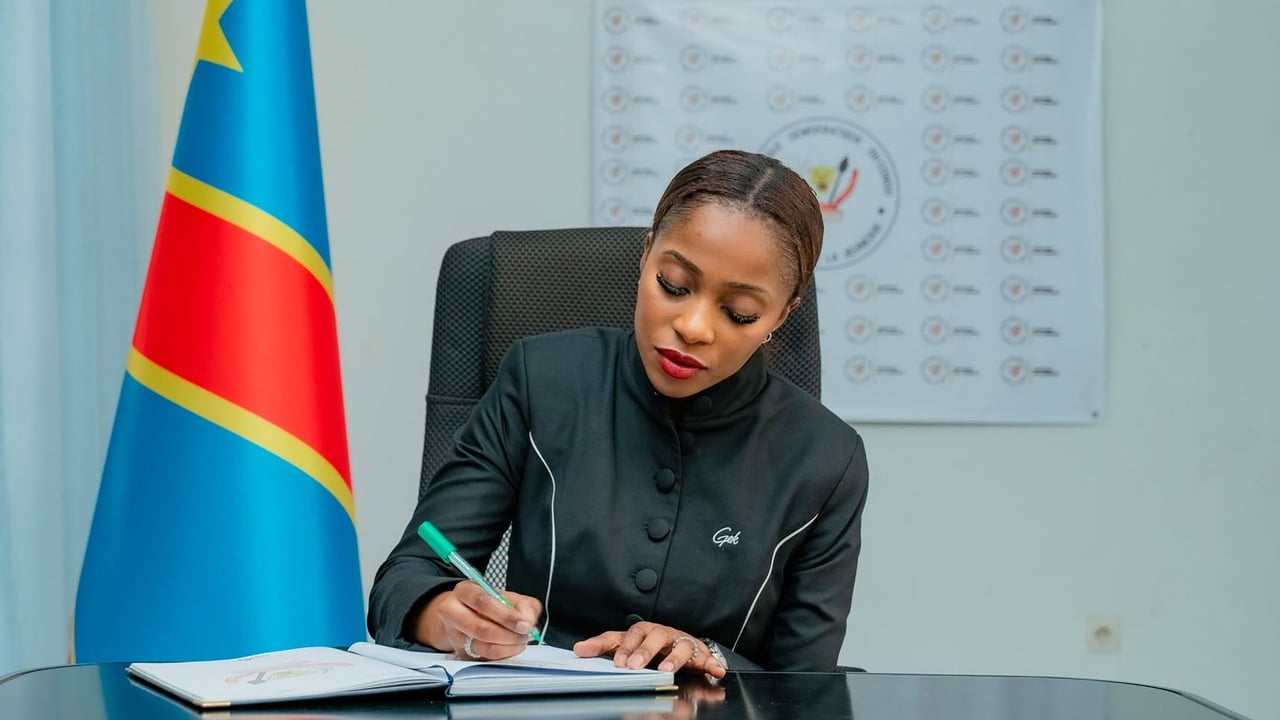
Does the voice of Grâce Kutino reflect DRC government stance on constitutional reform?
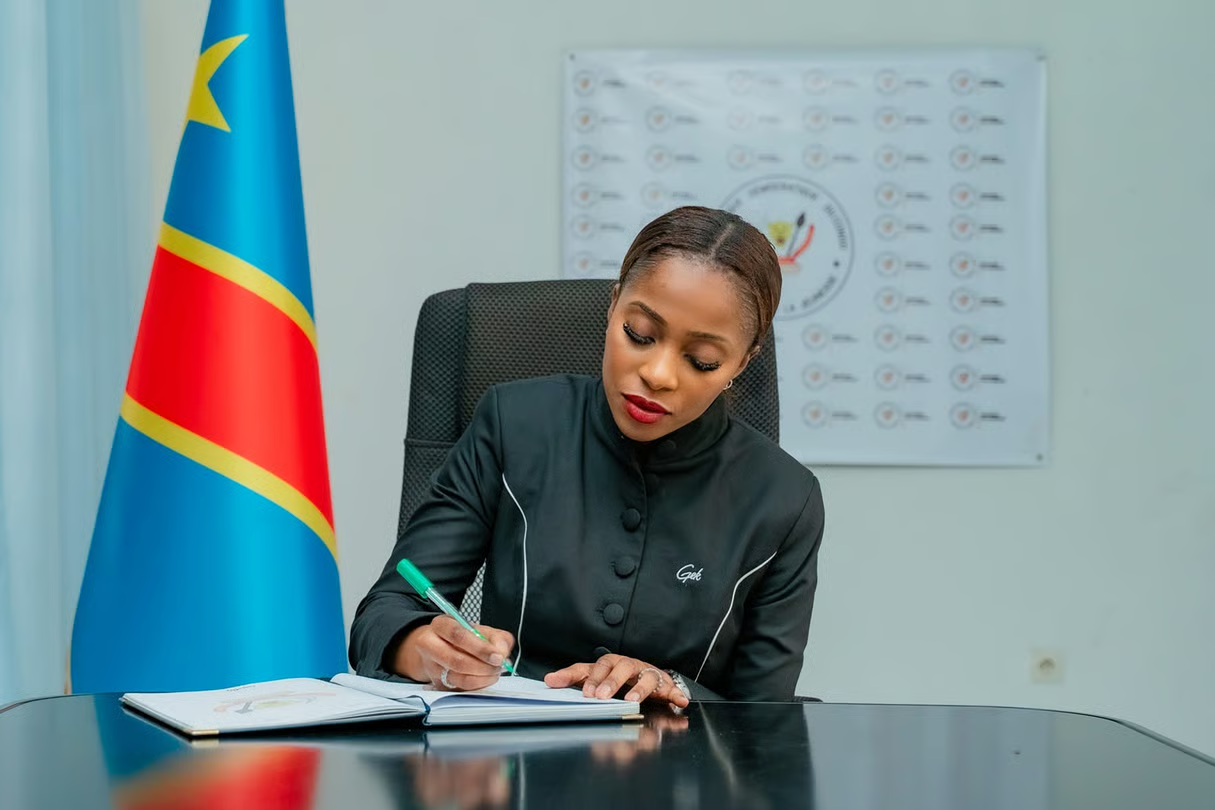
Grâce Kutino’s bold stance on DRC’s constitutional debate
In the heart of Kinshasa, Minister Grâce Kutino’s recent statements during the constitutional reform discussions have sparked intense debate. Her emphatic declaration, “Yes, I do want this,” resonated far beyond the walls of the National Assembly, prompting questions about the government’s true position on the matter.
As the Minister of Youth and National Awakening, Kutino wields significant influence. Her public endorsement of constitutional amendments, delivered with unwavering conviction, has left political observers scrambling to decipher its implications. Is this a strategic move to align with the administration’s agenda, or does it signal a deeper shift in the Democratic Republic of the Congo’s (DRC) governance priorities?
Constitutional reform: a pivotal moment for the DRC
The constitutional reform process has been a contentious issue, with proponents arguing for modernisation and critics warning of potential risks. Kutino’s intervention comes at a critical juncture, as lawmakers deliberate over proposed changes that could reshape the country’s political landscape.
Key provisions under discussion include term limits, decentralisation, and the balance of power between institutions. The Minister’s vocal support suggests the government may be preparing to push forward with these reforms, despite growing public scepticism.
Public reaction and political ramifications
The Minister’s remarks have ignited a firestorm of reactions across the DRC. Supporters view her position as a bold step toward progress, while detractors accuse her of undermining democratic principles. Social media platforms are ablaze with debates, reflecting the nation’s sharply divided opinions.
Political analysts highlight the timing of Kutino’s intervention as particularly significant. With President Félix Tshisekedi’s administration seeking to consolidate power, her endorsement could be a calculated move to rally support for the reform agenda. However, it also risks deepening tensions with opposition factions and civil society groups.
What’s next for the DRC’s constitutional journey?
As the debate intensifies, all eyes are on the National Assembly, where lawmakers must weigh the merits of the proposed amendments. The Minister’s unwavering stance adds pressure on legislators to either align with the government or risk being sidelined in future political discussions.
For now, the DRC stands at a crossroads. The outcome of this constitutional reform could redefine the nation’s future, influencing everything from governance structures to citizen rights. Minister Kutino’s role in this process underscores the high stakes involved and the delicate balance between progress and tradition.
