
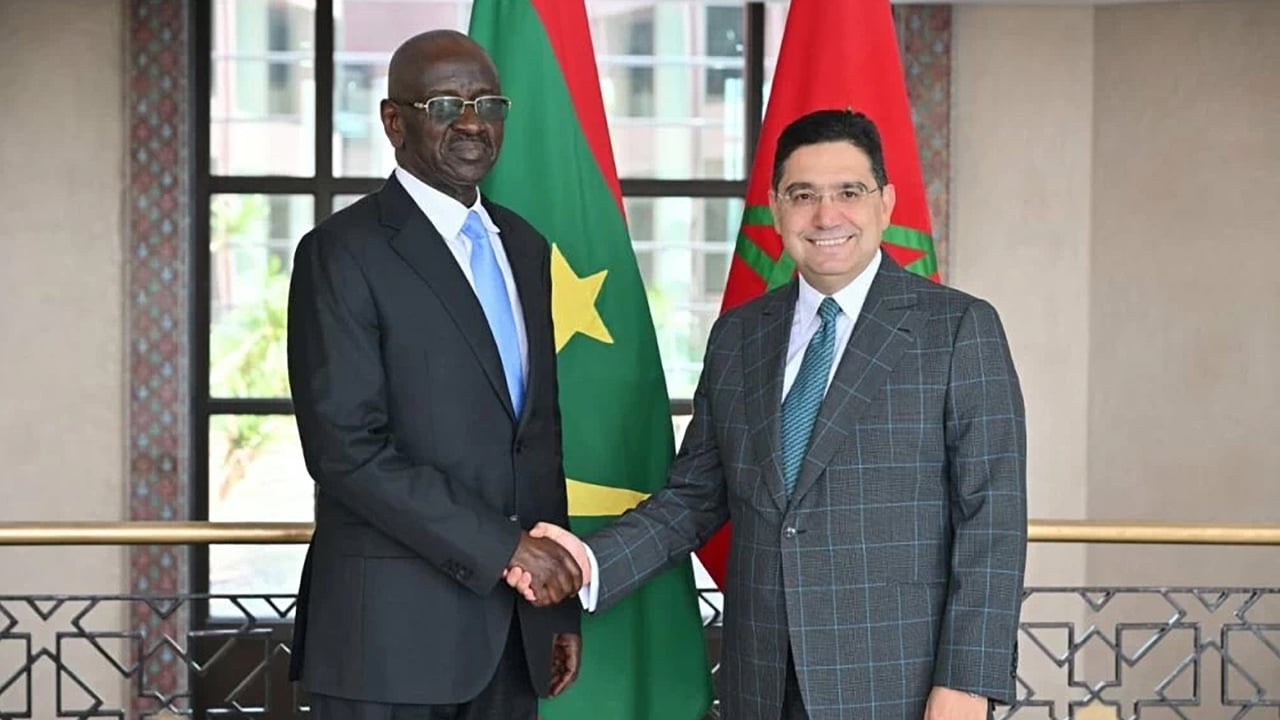

High-level discussions in Dakar have reignited long-standing diplomatic sensitivities surrounding the Western Sahara dispute, casting a spotlight on the evolving relations between Mauritania and Morocco. The closed-door meetings, held on the sidelines of a regional forum, brought together key officials from both nations to address pressing geopolitical concerns.
Key players and their positions
Morocco’s delegation, led by Foreign Minister Nasser Bourita, reiterated the kingdom’s long-held stance on the Western Sahara issue. The autonomy plan proposed by Rabat remains a cornerstone of its diplomatic strategy, aiming to secure international recognition while maintaining regional stability.
Mauritania’s Foreign Minister Mohamed Salem Ould Merzoug engaged in constructive dialogue, emphasizing the need for consensus-building within the African Union framework. Mauritania’s balanced approach reflects its strategic position as a mediator in the region, balancing ties with both Maghreb neighbors.
Diplomatic implications for West Africa
The resurgence of this decades-old conflict in diplomatic corridors has broader implications for West African diplomacy. The Sahara issue continues to test the cohesion of regional blocs, particularly the Economic Community of West African States (ECOWAS), where differing national interests often clash.
Observers note that Mauritania’s nuanced position could influence broader African perspectives on the conflict. Its willingness to engage with both Morocco and the Polisario Front—the movement advocating for Western Sahara’s independence—positions it as a potential bridge in future negotiations.
Regional stability at stake
As tensions simmer beneath the surface, the risk of renewed instability looms large. The Sahara conflict has historically been a flashpoint, with periodic flare-ups threatening to destabilize neighboring nations. Policymakers in Dakar are acutely aware of the need to prevent escalation while safeguarding regional security.
Diplomatic observers warn that unresolved grievances could undermine trust-building efforts across the Sahel. The Sahara issue remains a litmus test for Africa’s ability to navigate complex territorial disputes without resorting to conflict.