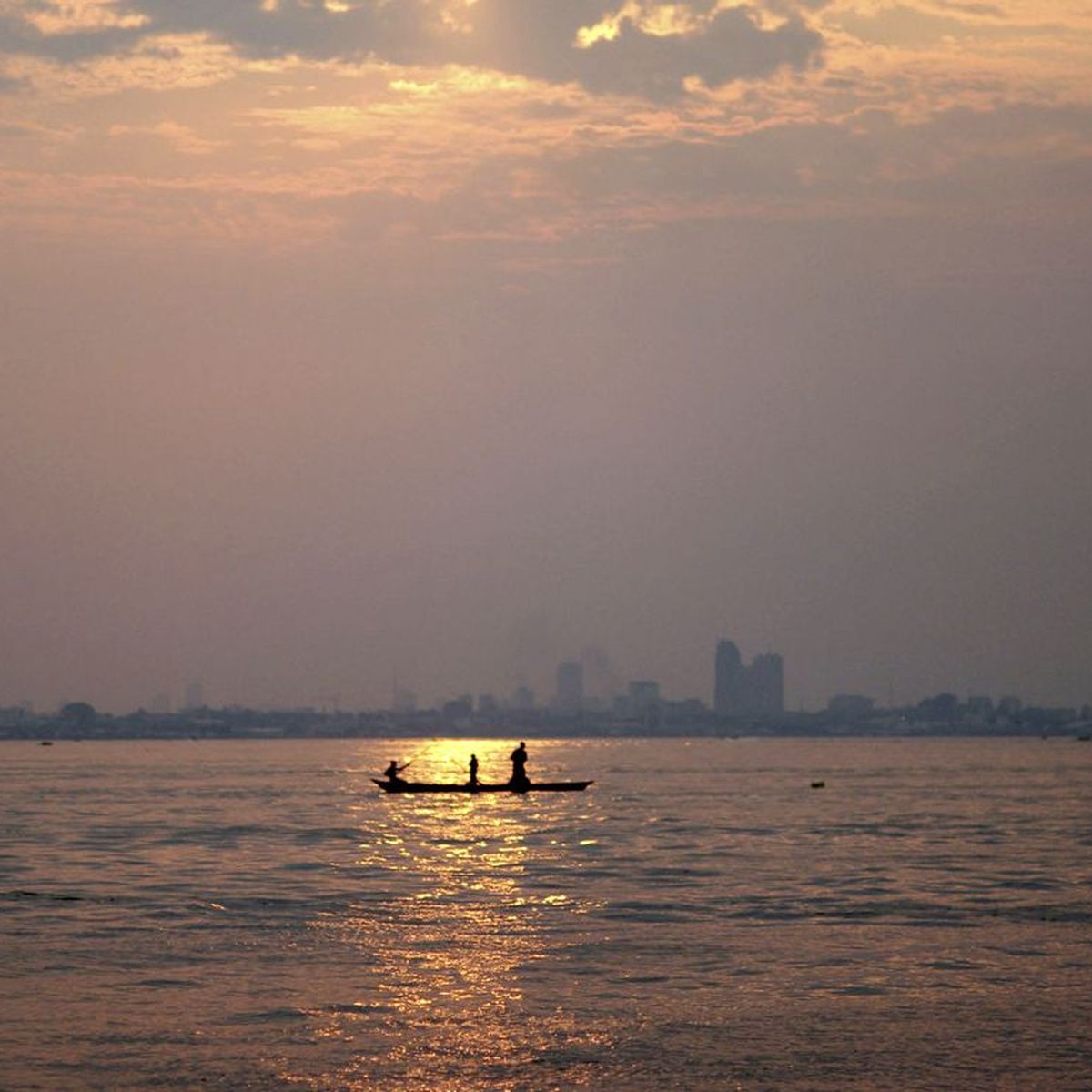
Diplomacy from across the Congo river shapes drc’s political crisis
The Democratic Republic of the Congo (DRC) grapples with deepening political and security turmoil. In the east, President Félix Tshisekedi’s administration confronts the persistent AFC/M23 rebellion amid a fragile regional peace process involving Rwanda. Meanwhile, in Kinshasa, opposition figures and civil society organizations accuse the government of suppressing political freedoms, detaining critics, and advancing constitutional reforms that could reshape the country’s governance.
These interconnected challenges threaten to undermine the government’s ability to stabilize the east, implement regional peace agreements, attract foreign investment—such as the Lobito corridor—and maintain public trust ahead of the upcoming presidential election.
A glimmer of hope for de-escalation has emerged in recent weeks.
Across the Congo River, Republic of the Congo’s President Denis Sassou-Nguesso has quietly initiated backchannel diplomacy, engaging both President Tshisekedi and influential Congolese religious leaders. Tshisekedi traveled to Brazzaville on July 3 for talks framed as bilateral and regional discussions. Days later, Sassou-Nguesso met with Cardinal Fridolin Ambongo and other Catholic representatives to address the DRC’s crisis.
The specifics of these conversations remain undisclosed. Yet when Tshisekedi announced plans on July 17 to convene an inclusive national dialogue, Cardinal Ambongo publicly praised Sassou-Nguesso and Burundian President Évariste Ndayishimiye for their consultations with the Congolese head of state.
While correlation does not imply causation, the timing suggests regional diplomacy may have helped create a political opening for Tshisekedi’s decision—while keeping control firmly in Congolese hands.
The involvement of the Catholic Church and the Church of Christ in the Congo lends the initiative greater legitimacy than a purely elite-driven process.
However, significant disputes persist. Opposition parties and civil society groups demand the release of political prisoners, protection of free speech and assembly, assurances of fair electoral competition, and clarity on whether constitutional reforms are necessary. Some have also raised tough questions about potential participation of figures linked to former President Joseph Kabila or the AFC/M23 rebellion.
The government takes a different stance. Tshisekedi argues the DRC remains under siege by an armed group backed by Rwanda. He insists any dialogue must strengthen national unity, uphold the Constitution, and preserve the institutions established through elections.
Kinshasa continues to treat AFC/M23-related discussions as a separate security issue under international mediation. The government’s reluctance to include Kabila or the AFC/M23 in domestic political talks reflects allegations—denied by Kabila—that he has ties to the rebellion, a claim still hotly debated.
The president’s upcoming decree outlining the dialogue framework will be pivotal. It will define who participates, set the agenda, determine whether religious leaders retain procedural independence, and address the constitutional reform debate.
A comprehensive political resolution remains unlikely. More realistic goals include easing political tensions, strengthening civil liberties, fostering trust among rival factions, and preserving the government’s internal legitimacy amid the ongoing eastern conflict.
The United States has a vested stake in the outcome. Washington has invested diplomatic capital in regional peace efforts, critical mineral cooperation, and the Lobito corridor—all of which depend on a Congolese government capable of maintaining internal legitimacy while honoring long-term commitments.
Rather than leading, the U.S. should support a Congolese-led dialogue by encouraging peaceful political participation, transparent constitutional processes, humane treatment of detainees, and an independent role for respected religious mediators.
The dialogue’s success hinges not on its announcement, but on whether the government, opposition, churches, and public perceive it as credible, inclusive, and sufficiently independent to ease political tensions and uphold constitutional legitimacy in one of Africa’s most pivotal nations.
