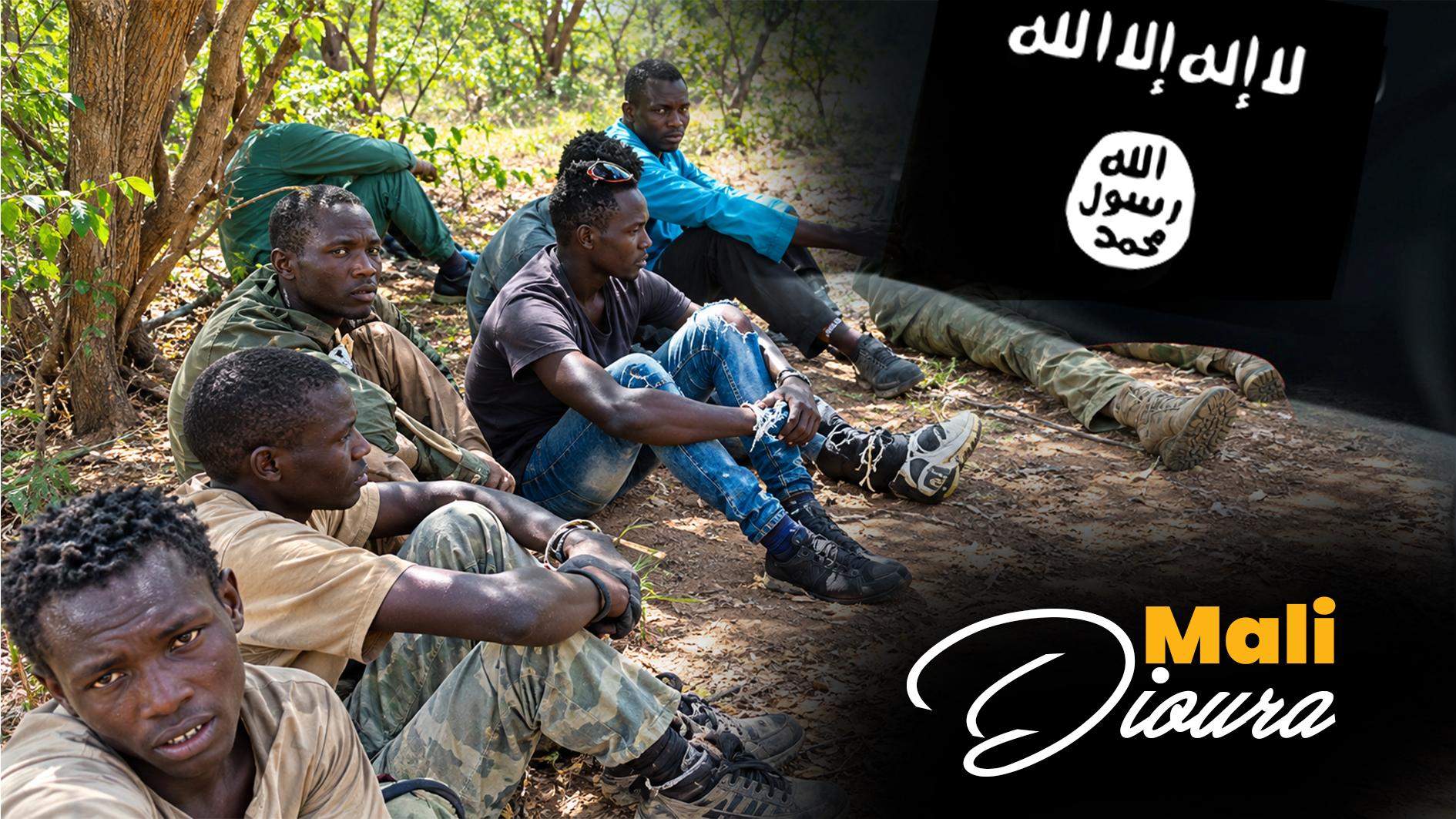
Dioura ambush exposes Mali’s military credibility gap under jihadist pressure
When Mali’s interim military leadership claimed there was nothing significant to report following the assault on Dioura, they likely expected the episode to fade. Instead, the Group for the Support of Islam and Muslims (JNIM) shattered that narrative with a meticulously documented rebuttal that laid bare the fragility of Bamako’s communication strategy.
The anatomy of a tactical reversal
What began as a routine denial from the Malian Armed Forces (FAMA) swiftly transformed into a credibility crisis. The junta’s insistence that no major incident had occurred—despite mounting reports from frontline observers—created a vacuum that jihadist propaganda quickly filled. By releasing a detailed account of the raid, complete with verified imagery, the JNIM not only contradicted the official line but exposed the systematic underestimation of threats in the region.
The human toll and strategic leverage of the attack
The scale of the losses revealed by the JNIM reveals a military in distress. The group’s claims—including the deaths of 150 soldiers, among them senior officers such as a colonel and captain, alongside 93 captives—paint a picture of severe operational collapse. These figures are not merely numbers; they represent a direct blow to the junta’s narrative of progress and resilience.
The material losses further underscore the depth of the failure:
- 15 military vehicles destroyed and over 100 patrol motorcycles rendered inoperable, crippling mobility.
- 6 tactical vehicles seized, including armored transports, alongside 10 operational motorcycles.
- Heavy weaponry recovered: 6 14.5mm machine guns, 17 DShK heavy machine guns, 32 PK general-purpose machine guns, 10 RPG rocket launchers, 3 mortars, and an SPG recoilless cannon.
- Small arms and munitions: 233 Kalashnikov rifles plus an extensive stockpile of ammunition.
The inclusion of multimedia evidence—photographs and videos showing captured equipment and detainees—left little room for disputing the sequence of events, amplifying the junta’s embarrassment.
Why denial fails in the age of battlefield transparency
Dioura was more than a tactical defeat; it was a strategic misstep in information warfare. By downplaying the attack, Bamako inadvertently handed the JNIM a propaganda victory. When state narratives clash with verifiable visual evidence, the result is a loss of trust—not just among international observers, but crucially, within Mali’s own security apparatus and civilian population.
The JNIM’s ability to conduct high-impact raids while documenting their successes demonstrates a sophisticated understanding of modern asymmetric warfare. Each unacknowledged setback further erodes morale, weakens chain of command cohesion, and reinforces perceptions of systemic dysfunction within the FAMA.
The myth of sovereign resilience
The junta’s emphasis on sovereign recovery hinges on projecting strength and control. Yet the reality in Dioura reveals a different story: one of vulnerable supply lines, exposed positions, and dwindling operational integrity. The JNIM’s coordination—coupled with their disciplined media response—highlights a persistent asymmetry in Mali’s security landscape.
For a government that has touted partnerships and technological upgrades as pillars of its strategy, the gap between rhetoric and reality has never been clearer. The refusal to confront defeats publicly does not neutralize their impact; it only delays the necessary recalibration of tactics and public trust.
The path forward: accountability or further erosion?
The choices facing Bamako are stark. Maintaining a policy of silence may preserve short-term appearances, but at the cost of long-term legitimacy. Conversely, acknowledging failures and implementing structural reforms—especially in information security and troop morale—could begin to rebuild credibility. However, the window for such actions is rapidly closing as the JNIM continues to exploit every informational opening with precision and relentlessness.
