Democracy under strain in west africa
Political tensions and democratic setbacks
The African continent is witnessing a paradoxical political landscape: while some nations make strides toward democratic consolidation, others face alarming backsliding. The fragile state of democracy in West Africa reflects this dual reality, where military takeovers, authoritarian drift, and political restrictions collide with resilient civic movements demanding accountability and transparency.
Across the Sahel region, recent years have seen a troubling consolidation of military rule in Mali, Burkina Faso, and Niger. These shifts have disrupted constitutional order and raised concerns about the future of democratic governance in countries that had previously experienced fragile but significant democratic openings. Simultaneously, electoral processes in several West African states have come under scrutiny, with delays, contested results, and restrictions on opposition voices undermining the credibility of the democratic process.
Key challenges to democratic stability
- Surge in military governance: The Sahel’s political map has been redrawn by successive coups, with juntas now ruling in key nations.
- Election integrity under threat: Reports of postponed votes, disputed outcomes, and constraints on political participation have eroded public trust.
- Shrinking civic space: Independent media, opposition parties, and civil society organizations face increasing repression, limiting their ability to hold governments accountable.
- Constitutional manipulation: Persistent attempts to extend presidential mandates have sparked widespread criticism, further destabilizing democratic norms.
While elections still occur in many states, their fairness and legitimacy are increasingly questioned. International observers highlight how these electoral irregularities risk normalizing undemocratic transitions under the guise of legitimacy.
Signs of democratic resilience
Amid these challenges, Africa’s democratic story is not one of uniform decline. Several nations continue to uphold robust democratic traditions, demonstrating that pluralism and peaceful transitions remain achievable goals.
Countries like Senegal, the Cape Verde, Botswana, the Seychelles, and Ghana stand out for their commitment to free elections and institutional stability. Recent electoral cycles in these states have shown that citizens still wield significant influence at the ballot box, rewarding responsive leadership and sanctioning underperformance.
Public opinion data reveals a deep-seated attachment to democratic values. Surveys indicate that a majority of Africans prioritize transparency, citizen participation, and accountable governance—demonstrating that the demand for democracy remains strong, even as its delivery falters in some regions.
The power of Africa’s youth
The continent’s youth are at the forefront of the fight to reclaim democratic space. Across West Africa, young activists are mobilizing to demand:
- Fair and credible elections that reflect the will of the people.
- Stronger anti-corruption measures to ensure public funds serve the people.
- Better governance that addresses unemployment, inequality, and poor service delivery.
- Economic opportunities to reduce desperation and curb political instability.
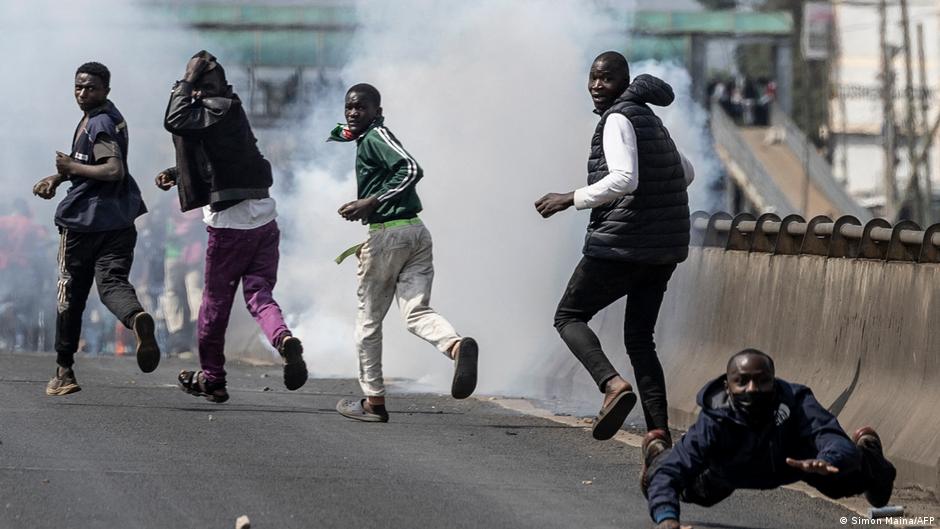
From social media campaigns to street protests, this generation is redefining civic engagement, pushing back against repression, and insisting on a future where democracy delivers tangible benefits.
Pathways to democratic recovery
As West Africa navigates this turbulent period, several priorities emerge for restoring democratic health:
- Restoring constitutional rule in countries under military leadership, ensuring a clear, civilian-led transition timeline.
- Strengthening electoral and judicial independence to prevent manipulation and ensure impartial oversight.
- Enforcing term limits and respecting constitutional provisions to prevent power grabs disguised as reforms.
- Protecting civic freedoms—freedom of the press, assembly, and association—to allow dissent and debate to flourish.
- Addressing socio-economic grievances, particularly among youth, to reduce the appeal of populist or authoritarian alternatives.
The road ahead demands bold leadership, both from governments and citizens. While the threats to democracy are real, so too is the determination of millions across the continent who refuse to accept a future without accountability, justice, and participation.
