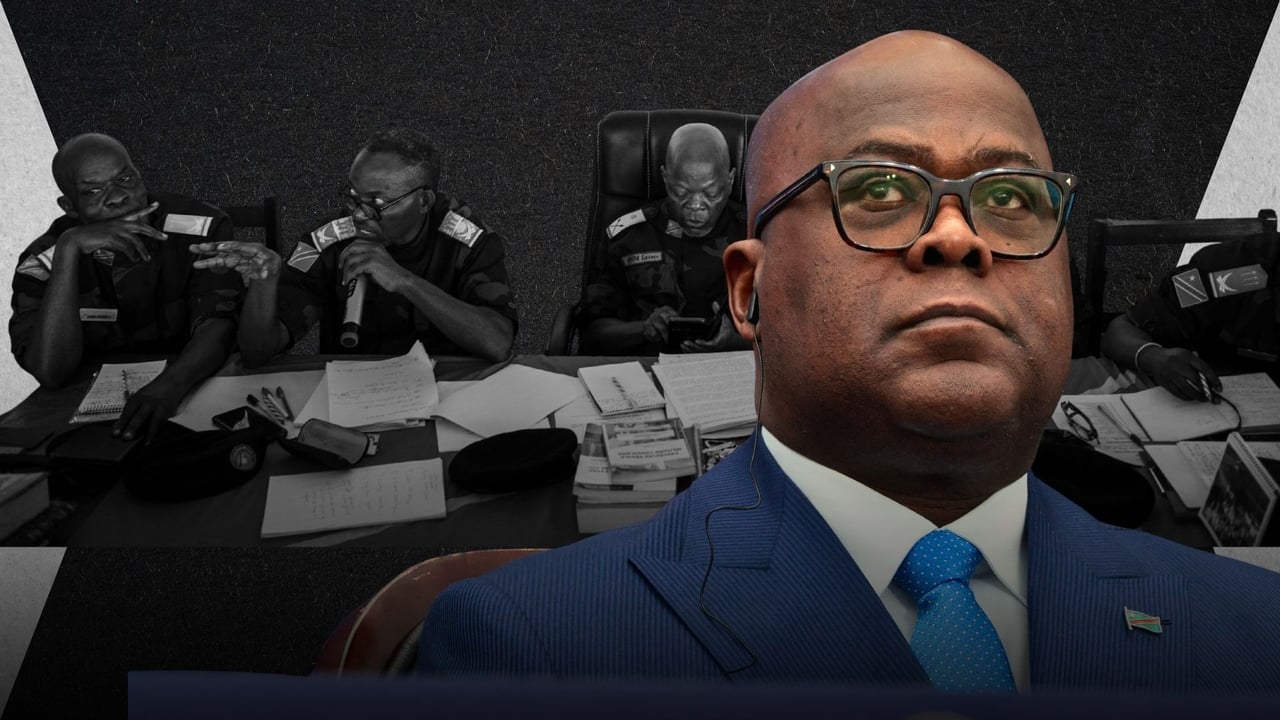
Death penalty debate reignites in democratic republic of Congo
The Democratic Republic of the Congo (DRC) is once again grappling with a contentious issue that has long divided public opinion: the reintroduction of the death penalty. This debate has resurfaced amid rising security challenges and calls for stricter measures to combat crime and insurgency in the country.
Why the death penalty is back on the table
The Congolese government has signaled its intent to review legislation that would reinstate capital punishment, a move justified by proponents as a necessary deterrent against violent crime and armed groups operating in the eastern provinces. Critics, however, argue that such a step would violate human rights and fail to address the root causes of insecurity.
Recent years have seen a surge in armed conflicts, particularly in regions like North Kivu and Ituri, where rebel factions continue to destabilize communities. Authorities claim that the death penalty could serve as a powerful tool to curb such violence, though opponents remain skeptical about its effectiveness.
Public and political reactions
The proposal has sparked intense discussions among lawmakers, civil society, and citizens. While some politicians align with the government’s stance, emphasizing the need for harsher penalties to restore order, others warn of the risks associated with capital punishment, including the potential for wrongful convictions and the irreversibility of such sentences.
Civil rights organizations have been vocal in their opposition, highlighting the DRC’s international obligations under human rights treaties. They argue that alternatives such as enhanced law enforcement and judicial reforms would be more effective in combating crime without resorting to extreme measures.
A divided nation
The debate has laid bare the deep divisions within Congolese society. On one side, victims’ families and security advocates demand justice through the harshest possible means. On the other, human rights defenders and legal experts caution against reinstating a punishment that has been abolished in many countries due to its ethical and practical controversies.
As the discussion unfolds, the government faces the challenge of balancing public safety concerns with international human rights standards—a dilemma that could shape the future of criminal justice in the DRC.
