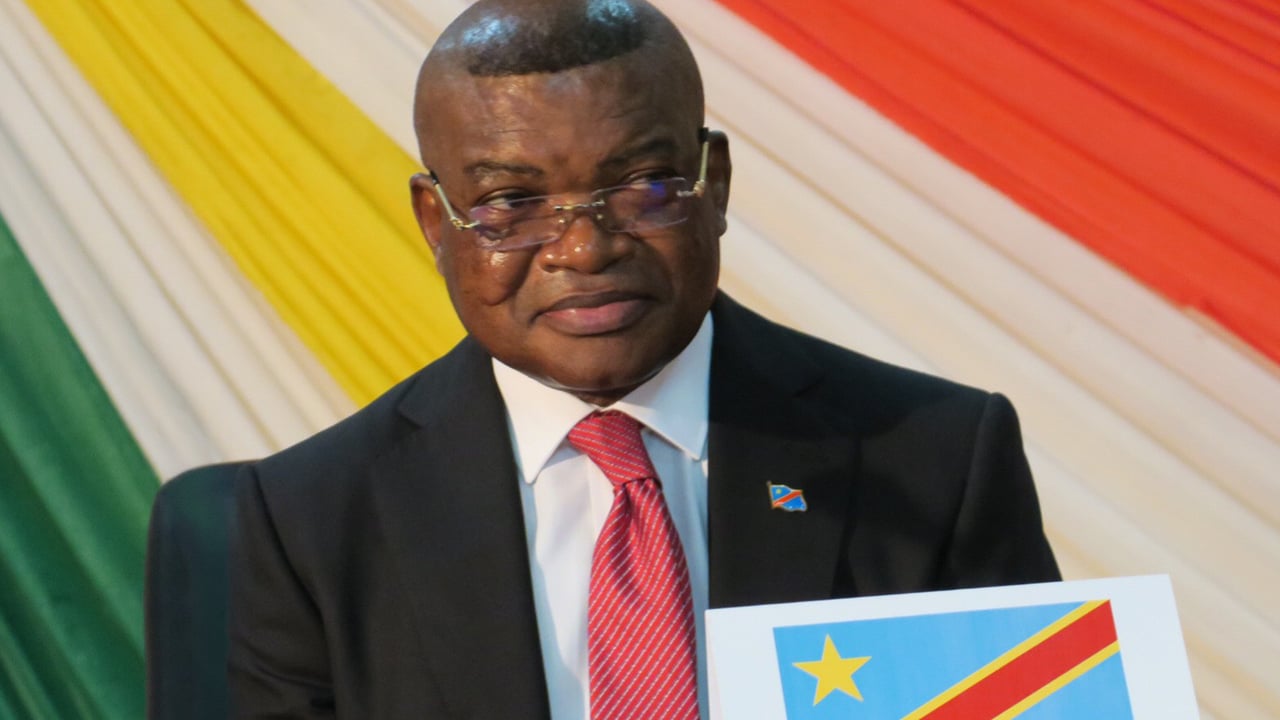
Death of Kalev Mutond: unraveling the shadow networks of DRC’s intelligence legacy
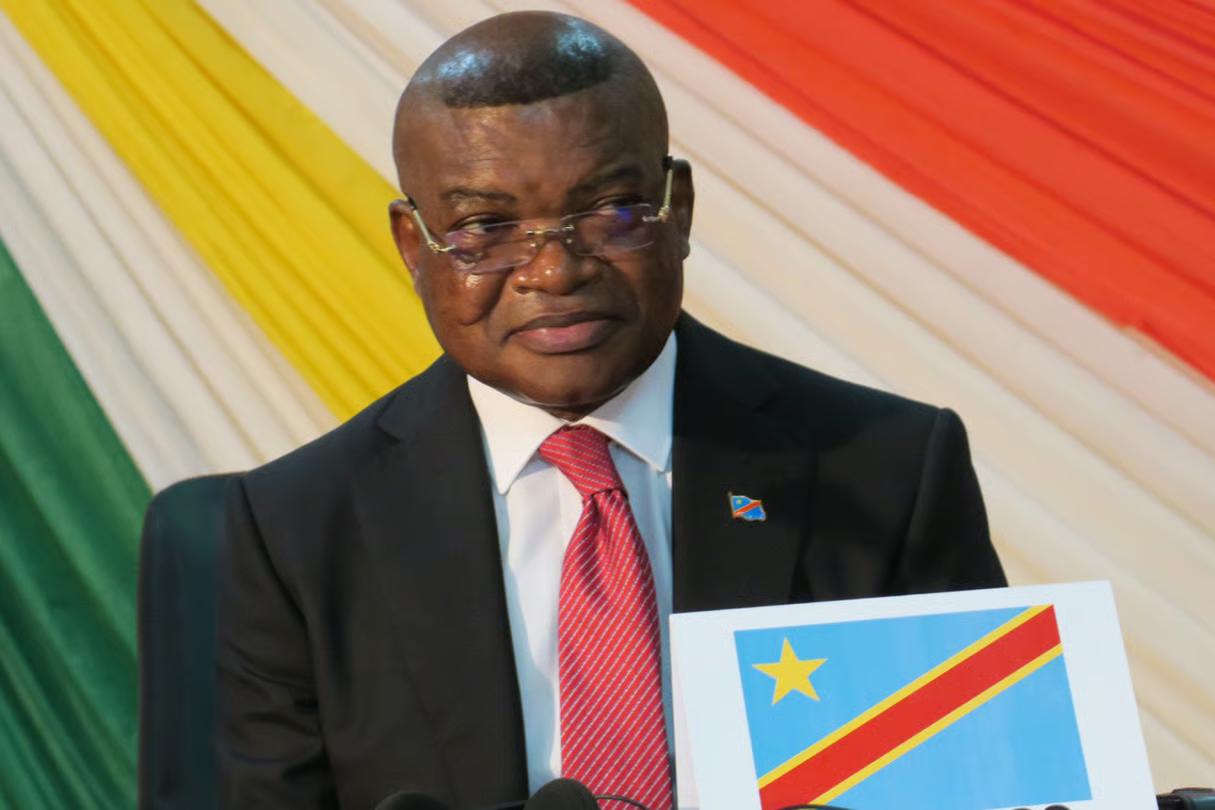
Kalev Mutond’s death marks the end of an era in Democratic Republic of Congo’s intelligence landscape, exposing decades of behind-the-scenes power struggles and covert operations that have shaped the nation’s political trajectory. As the former head of Congo’s intelligence agency, his passing forces a reckoning with the shadow networks that have long operated beyond public scrutiny.
The man who shaped Congo’s intelligence apparatus
For years, Kalev Mutond stood at the helm of Congo’s intelligence services, a role that positioned him as a key architect of the country’s security policies. His career spanned critical periods, including the late Joseph Kabila’s presidency, when intelligence operations played a decisive role in maintaining political control. Mutond’s influence extended far beyond traditional security matters, shaping the very foundations of Congo’s power dynamics.
The unspoken rules of Congo’s intelligence world
Mutond’s era was defined by a culture of discretion, where operational decisions were made in closed circles and accountability was often deferred. His leadership style fostered a network of alliances and rivalries that extended through military, political, and business circles. Few dared to challenge the unwritten laws of this clandestine world, where loyalty was currency and silence was survival.
How Mutond’s death exposes deeper fractures in Congo’s intelligence machine
The timing of Kalev Mutond’s passing could not be more consequential. As Congo navigates a period of heightened political uncertainty, his absence creates a void that threatens to destabilize an already fragile security apparatus. Insiders suggest that his death may reignite long-simmering tensions within the intelligence community, where power vacuums often trigger violent power struggles.
- Competition for influence: factions within the intelligence services may now compete to fill the leadership vacuum left by Mutond.
- Shifts in loyalty: established networks may fracture as new figures seek to assert dominance.
- Public perception: Congo’s citizens may question the transparency and effectiveness of an intelligence apparatus already viewed with suspicion.
What lies ahead for Congo’s intelligence services
The death of such a central figure in Congo’s intelligence world inevitably raises questions about the future of the agency he once led. Will his successors uphold his methods, or will they be pressured to adopt a more transparent approach? One thing is certain: the era following Mutond’s death will test the resilience of the intelligence community and the broader political stability of the country.
The legacy of secrecy and its impact on democracy
Mutond’s career exemplifies the challenges facing Congo’s intelligence services in their quest to balance security imperatives with democratic accountability. His death serves as a stark reminder of how deeply rooted secrecy can undermine public trust and hinder institutional reforms. As Congo prepares for a new chapter, the question remains: can the intelligence community adapt to a changing landscape without repeating the mistakes of the past?
Kalev Mutond’s shadow: dissecting a controversial legacy
While some view Mutond as a stabilizing force during turbulent times, others argue that his leadership perpetuated cycles of repression and impunity. His death does not erase the controversies that surrounded his tenure, nor does it resolve the tensions that his era cultivated. Instead, it forces a confrontation with the complicated legacy he leaves behind—a legacy that continues to shape Congo’s political and social fabric.
