Deadly ambush on Niger’s Agadez-Arlit highway leaves 11 dead, authorities investigate
Attack on critical transport route sparks nationwide concern
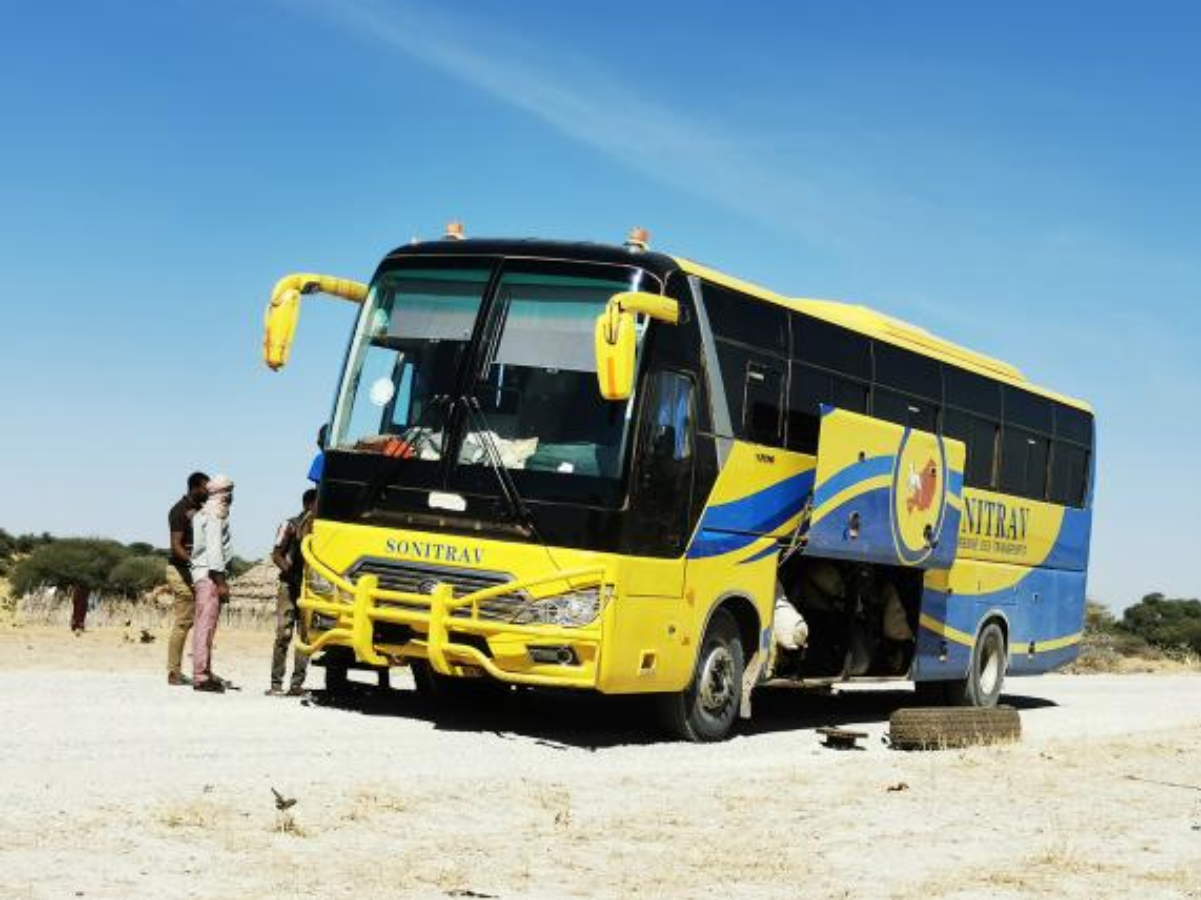
Northern Niger is reeling from a brazen armed assault that claimed at least eleven lives on the Agadez-Arlit highway, a vital artery connecting key commercial and mining hubs. The suspected ambush, which unfolded late Sunday near Agadez, targeted passenger buses, leaving families shattered and travelers questioning road safety.
Unverified reports indicate that armed assailants struck in daylight, using multiple vehicles to block and attack two passenger buses. The confrontation escalated into heavy gunfire, involving security forces reportedly aboard one of the buses. At least ten civilians and one defense personnel were killed, with additional casualties in critical condition. Authorities have yet to release official confirmation or identify the attackers, leaving the public in limbo.
Agadez-Arlit route: A lifeline under siege
The Agadez-Arlit highway is more than a road—it’s the economic spine of northern Niger. Agadez, a historic crossroads of trans-Saharan trade, relies on this route to connect with Arlit, a mining town central to the region’s commercial activity. For thousands of residents, buses are the only way to reach markets, hospitals, and family visits.
A single attack can ripple through communities. Transport operators face rising insurance costs. Families delay travel plans out of fear. Traders worry about delayed shipments. With few alternative routes due to the Sahara’s vast terrain, this road’s security is non-negotiable. When it fails, the entire region feels the strain.
Security forces at the heart of the tragedy
Reports suggest soldiers were present on one of the attacked buses—a detail that raises urgent questions. How did the ambush unfold? Were security protocols followed? Was timely evacuation possible? Establishing a clear timeline is essential to understanding how civilians became targets and to preventing future incidents.
Northern Niger’s topography is unforgiving: endless dunes, remote oases, and sparse infrastructure make road surveillance a monumental challenge. Patrols are stretched thin; communication gaps persist in isolated areas. Without better intelligence, coordination, and rapid response, vulnerable civilians remain exposed.
Families demand answers amid grief
Behind every statistic is a human story. Some passengers were heading to medical appointments. Others were returning from markets. A few were simply commuting to work. Now, their families are left searching for clarity in a fog of unverified reports and graphic images circulating online.
Responsible reporting is vital. While emotions run high, spreading unverified information only deepens trauma. Authorities must confirm identities of the deceased, validate the casualty count, and ensure families receive dignified closure. Psychological and medical support must follow swiftly—survivors and relatives alike need care.
What comes next for travel safety?
As the investigation begins, Nigeriens are asking the same question: Is it safe to travel? For now, no official travel advisory has been issued, but the fear is palpable. The government faces a dual imperative: restore confidence through transparency and strengthen security on this critical corridor.
Local leaders, transport unions, and security services must collaborate to enhance early warning systems, improve emergency response, and educate drivers and passengers. The goal isn’t just to react to attacks—it’s to prevent them.
Until then, the people of Agadez and Arlit—and the travelers who depend on this road—await justice, safety, and the truth behind Sunday’s bloodshed.
