
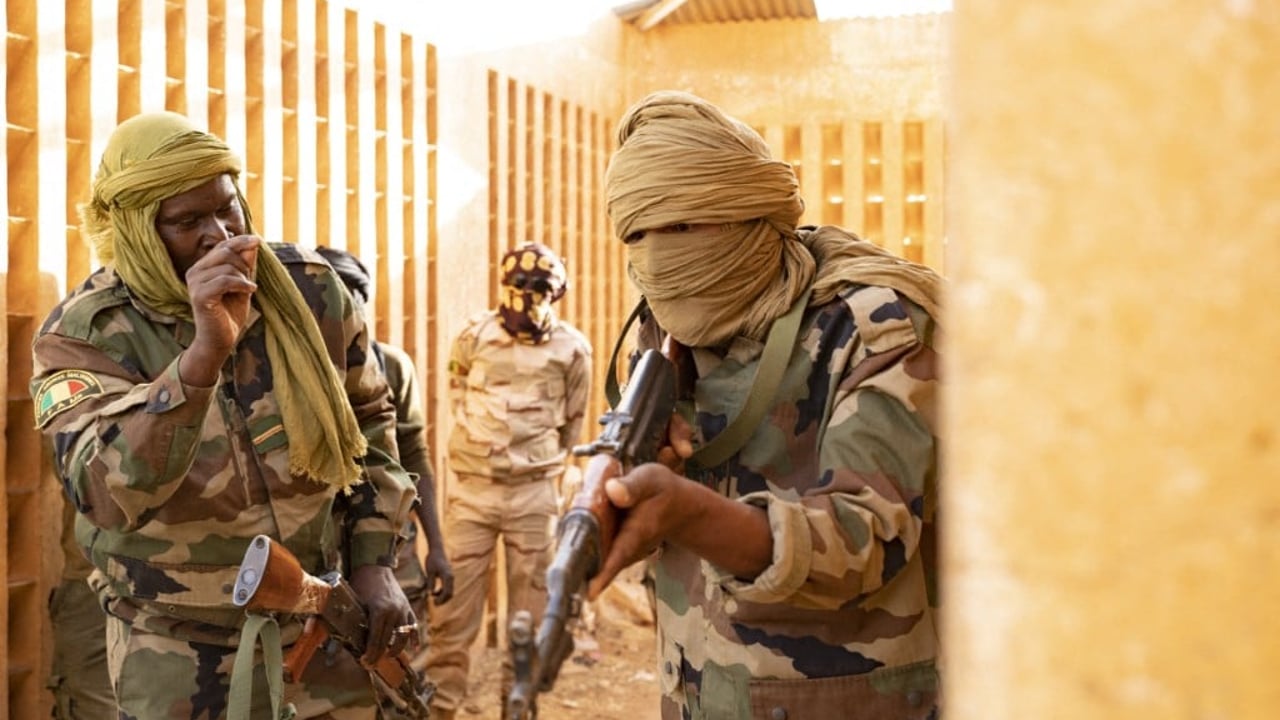
A devastating ambush unfolded yesterday in Mali’s central region, resulting in the tragic loss of more than 50 soldiers. The attack, which targeted military convoys near strategic routes, underscores escalating security threats in the area.
Initial reports indicate that coordinated assaults were carried out by armed factions, including the Group for the Support of Islam and Muslims (Jama’at Nusrat al-Islam wal Muslimin, JNIM). These groups reportedly exploited vulnerabilities in the convoy’s security protocols, leading to a high-casualty confrontation.
what happened during the ambush?
The assault took place along a critical roadway frequently used for military logistics and troop movements. Witnesses described a sudden barrage of gunfire and improvised explosive devices (IEDs), which overwhelmed the convoy’s defenses. The attackers, positioned strategically along the route, launched a multi-pronged offensive that lasted for several hours.
Military sources confirmed that the ambush involved sustained firepower and tactical precision, suggesting a well-planned operation. The soldiers, caught off guard, sustained heavy losses before reinforcements could arrive. Emergency response teams worked through the night to recover casualties and secure the area.
response and casualties
Local authorities have launched an investigation into the incident, with military officials vowing to reinforce security measures in the region. Casualty figures continue to rise as recovery efforts progress. The attack has sparked outrage among communities, who demand stronger protection from armed groups operating in the area.
The government has pledged to deploy additional troops and intelligence resources to dismantle the networks behind these assaults. Meanwhile, families of the fallen soldiers are grieving, their sorrow compounded by the nation’s ongoing struggle against insurgency.
implications for Mali’s security
This ambush is the latest in a series of violent incidents that have plagued Mali’s central and northern regions. Despite international support and military interventions, armed factions continue to exploit security gaps, posing a persistent threat to stability.
The attack highlights the urgent need for enhanced counter-insurgency strategies and community engagement to curb the influence of militant groups. Analysts warn that without decisive action, such incidents will only grow more frequent and devastating.
The nation now faces a critical juncture, where the balance between security and governance hangs in the balance. The loss of over 50 soldiers serves as a stark reminder of the challenges ahead in restoring peace and stability across Mali.