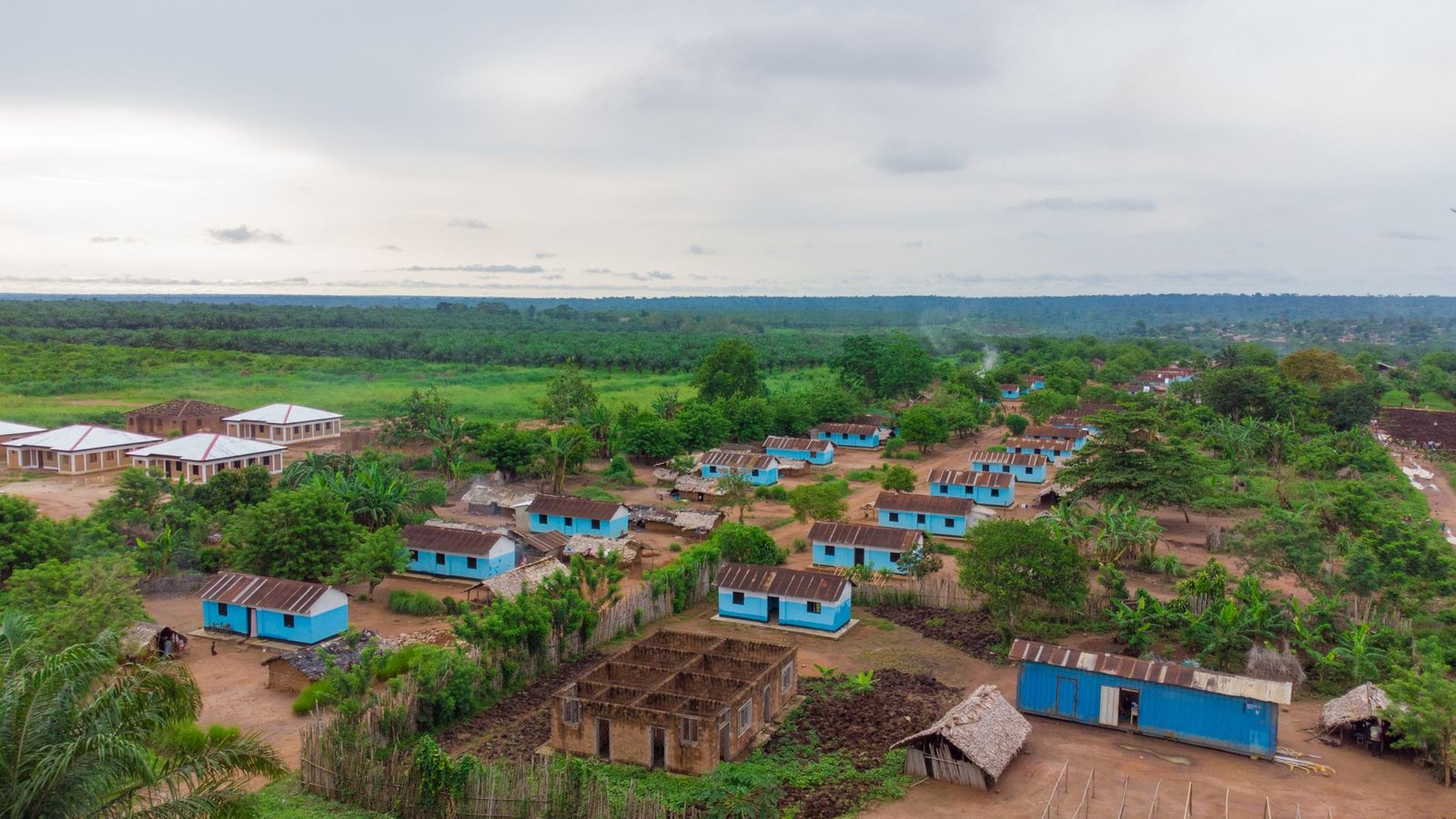
Deadly ADF attack leaves 13 civilians dead in Ituri province Congo
In the eastern reaches of the Democratic Republic of Congo, Ituri Province has once again become the stage for unrelenting violence attributed to the Allied Democratic Forces (ADF), an Islamist militant group originally from Uganda. A brutal nighttime assault claimed the lives of at least thirteen civilians, while an entire village was reduced to smoldering ruins by the attackers. Local officials confirmed these staggering losses, underscoring the ongoing cycle of terror that grips rural communities despite the presence of government troops.
Another grim chapter in a region scarred by war
The assailants struck under the cover of darkness, singling out unarmed villagers before torching their homes. Nearly every structure in the settlement was obliterated, forcing survivors to flee to nearby towns with nothing but the clothes on their backs. The tactics employed—swift raids on civilian targets, systematic arson, and the use of blades to conserve ammunition—mirror the well-documented methods of the ADF, which have plagued northeastern Congo for over ten years.
Ituri, bordering both Uganda and South Sudan, remains a powder keg of instability. The ADF’s menace is compounded by deadly clashes between the Hema and Lendu militias and the lingering presence of local armed factions profiting from artisanal mining. Since May 2021, the province has been under martial law, a drastic measure that places civilian governance in the hands of military officers, yet has yielded no tangible improvements on the ground.
Operation Shujaa struggles against a shifting enemy
Since late 2021, the Armed Forces of the Democratic Republic of Congo (FARDC) have conducted a joint offensive with Uganda’s People’s Defence Forces (UPDF), codenamed Shujaa, aimed at dismantling ADF strongholds in North Kivu and Ituri. Nearly four years into the campaign, however, the results remain deeply unsatisfactory. While several rebel bases have been demolished, the fighters have fragmented into nimble, mobile cells, intensifying attacks on isolated villages instead of engaging military convoys.
This decentralized warfare strategy poses a formidable challenge. The ADF leverages the dense equatorial forests, the porous Uganda-Congo border, and the near-total lack of reliable communication networks to strike and vanish. Each new massacre fuels political unrest in Kinshasa, where critics lambast the government’s failure to safeguard civilians despite substantial military deployments and the phased withdrawal of the UN Stabilization Mission in DRC (MONUSCO), initiated in 2024.
A complex security puzzle with no clear solution
The UN’s gradual withdrawal has left a dangerous void that the FARDC are struggling to fill. In neighboring South Kivu and North Kivu, the resurgence of the M23 rebel group—allegedly backed by Rwanda, according to UN expert reports—has diverted the bulk of Congo’s military resources. Ituri, now a secondary front in Kinshasa’s security agenda, has seen a surge in attack frequency and severity since the year began.
The humanitarian toll is catastrophic. Hundreds of thousands of displaced individuals survive in makeshift camps around Bunia, the provincial capital, where aid agencies warn of severe shortages in food and medical supplies. The recurrent destruction of entire villages, as seen in the latest attack, only exacerbates homelessness and weakens the fragile rural economy.
For the central government, the stakes extend beyond military concerns. Stabilizing Ituri is critical to restoring public trust in state authority, securing trade routes to East Africa, and enabling the peaceful exploitation of one of the continent’s wealthiest mineral belts. Until the ADF’s operational capacity is neutralized, mining investors and logistics providers will remain wary, depriving the province of the capital needed for recovery.
Key takeaways
- The ADF’s signature tactics—night raids, arson, and targeted killings—are once again on full display in Ituri.
- Operation Shujaa has dismantled rebel camps but failed to curb the group’s mobile, evasive attacks.
- The UN’s phased withdrawal has left a security gap that the FARDC cannot adequately fill.
- The humanitarian crisis in Ituri deepens as villages are razed and displacement swells.
