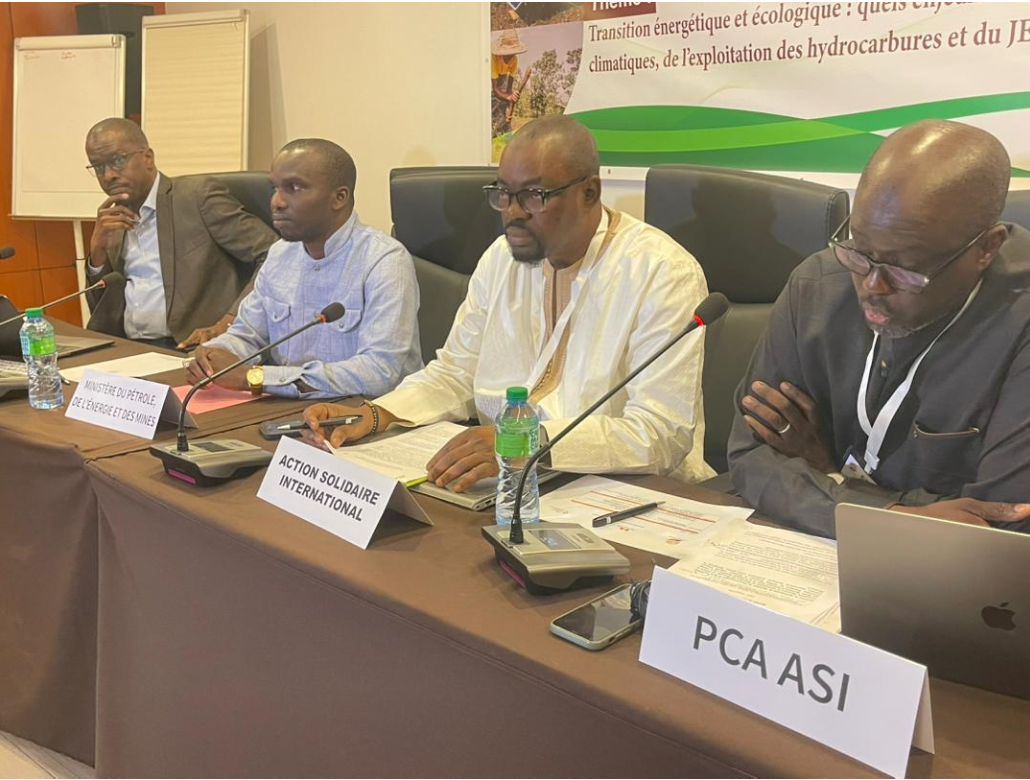
Dakar hosts pivotal energy transition talks for Senegal’s green future
Dakar is playing host to a landmark event as the fourth edition of the Environment and Energy University kicks off, bringing together leading minds in sustainability, policymakers, and grassroots advocates. The two-day gathering, taking place on May 19 and 20, is shaping up to be a critical platform for charting a sustainable path forward for Senegal’s energy landscape.
The conference, held amid growing concerns over climate change and the evolving dynamics of the country’s oil and gas sector, serves as a vital forum for dialogue. Attendees include experts from the Agency for Renewable Energies (ANER), the Senegalese Rural Electrification Agency (ASER), academics, and representatives of civil society organizations, all united by a shared commitment to ecological progress.
The opening ceremony was led by Dr. Elhadji Ndiaye, representing the Minister of Petroleum, Energy, and Mines. In his address, he emphasized that energy and environmental challenges have evolved beyond sector-specific concerns, now standing as central pillars of the nation’s economic, social, and sustainable development goals.
energy’s role in shaping Senegal’s future
Dr. Ndiaye highlighted the transformative potential of energy in driving economic productivity, fostering innovation, job creation, and elevating living standards across the country. He underscored the need for a balanced approach that leverages both traditional and renewable resources while remaining steadfast in meeting climate commitments.
Mamadou Barry, President of Action Solidarité Internationale and coordinator of the conference, echoed these sentiments, stressing the urgency of accelerating Senegal’s green transition. With climate-related challenges intensifying—from recurrent flooding to coastal erosion and agricultural losses—he called for a fundamental shift in development strategies.
“The time for incremental action is over. Senegal must adopt a resilient, sustainable, and sovereign development model that harmonizes hydrocarbon exploitation with our climate obligations,” Barry stated. He cautioned against letting the country’s emerging oil and gas industry impede progress in renewable energy adoption, urging a dual-track approach that safeguards both economic growth and environmental integrity.
Barry also advocated for greater inclusion of communities most affected by climate change in policymaking processes, ensuring their voices shape the nation’s environmental agenda.
