Cultural shifts in N’Djamena weddings as sudanese traditions gain ground
cultural shifts in N’Djamena weddings as sudanese traditions gain ground
N’Djamena’s wedding scene is evolving, with Sudanese customs increasingly shaping local nuptials. This cultural fusion sparks debate over the future of Chad’s traditional wedding practices and the preservation of national identity.
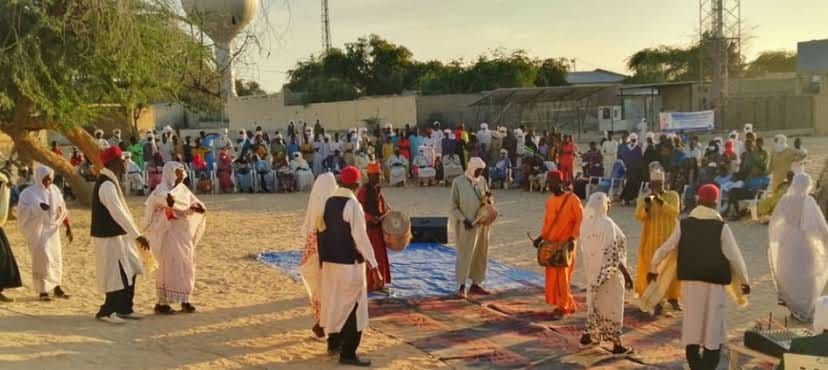
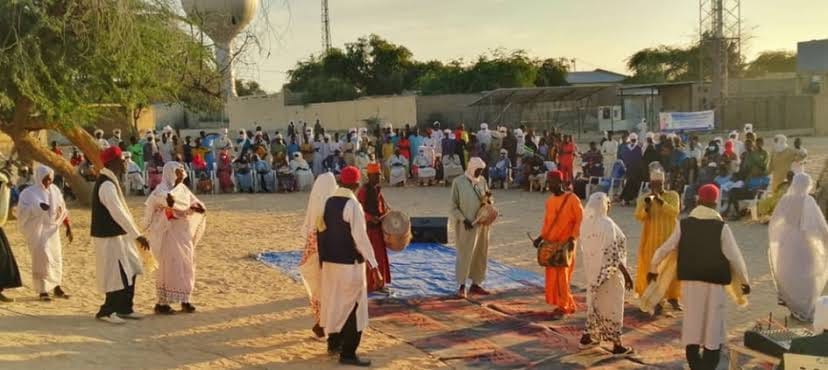
N’Djamena’s wedding celebrations are undergoing a subtle but significant transformation. While traditional Chadian customs once dominated local nuptials, elements of Sudanese culture are now reshaping how couples exchange vows and celebrate their unions. This shift has sparked conversations about cultural identity and the preservation of Chad’s heritage.
Sudanese influences reshaping Chadian weddings
The most visible changes appear in the ceremonial practices of modern weddings. Couples in N’Djamena now commonly adopt Sudanese traditions, such as applying henna to the groom’s hands and feet alongside the bride’s. The procession to the bride’s home, where the groom carries her into the residence, is another hallmark of this cultural exchange. Days later, a secondary event often takes place where the groom presents jewelry to his wife in the presence of both families—rituals strongly reminiscent of Sudanese wedding customs.
These practices contrast sharply with the traditional Chadian wedding, which emphasized wisdom from elders, family respect, and modesty. In the past, after the dowry was settled, the bride and groom maintained minimal contact until the wedding day. On the day of the ceremony, the bride was escorted by her mother and grandmother, who shared advice on patience, household management, forgiveness, and marital responsibilities.
A week after the wedding, the bride’s family would symbolically entrust her to the neighbors of her new home. Neighbors were expected to guide her gently when she made mistakes and encourage her when she acted rightly, fostering strong community bonds and shared responsibility for her well-being.
From griots to modern beats: changing the soundtrack of celebration
The entertainment at weddings has also evolved. Traditional griots, drummers, and singers who once narrated the history of communities through song are being replaced by modern performances. Elders in neighborhoods like Bololo express concern that this shift diminishes the passing of cultural wisdom to younger generations. The focus has shifted from meaningful counsel to spectacle, they note.
In many districts, entire ceremonies now mirror Sudanese styles—from decor and attire to henna sessions, music, and choreographed presentations of the couple. For some guests, it’s becoming difficult to tell a Chadian wedding apart from a Sudanese one without close observation.
A clash of values or an evolution of tradition?
Reactions to these changes are mixed. While some view the blending of cultures as a natural evolution, others worry about the erosion of Chadian identity. Maman Azma, a community leader and director of the Lamy Fortain association, reflects on the loss of heritage: « Our daughters now know weddings from abroad, but many have forgotten the traditions their grandmothers practiced. If we don’t pass them on, they will disappear entirely. »
Not everyone sees the shift negatively. One newlywed shared, « We borrow traditions we find beautiful. That doesn’t mean we reject our own culture. The key is to preserve the values of marriage. »
Experts in cultural heritage emphasize that the challenge isn’t to reject foreign influences but to ensure Chadian traditions remain alive in the hearts of the next generation. The goal, they say, is not to shut out change, but to integrate it without losing what defines them.
