Côte d’Ivoire’s debt-for-education playbook: the inside story of what really happened in New York
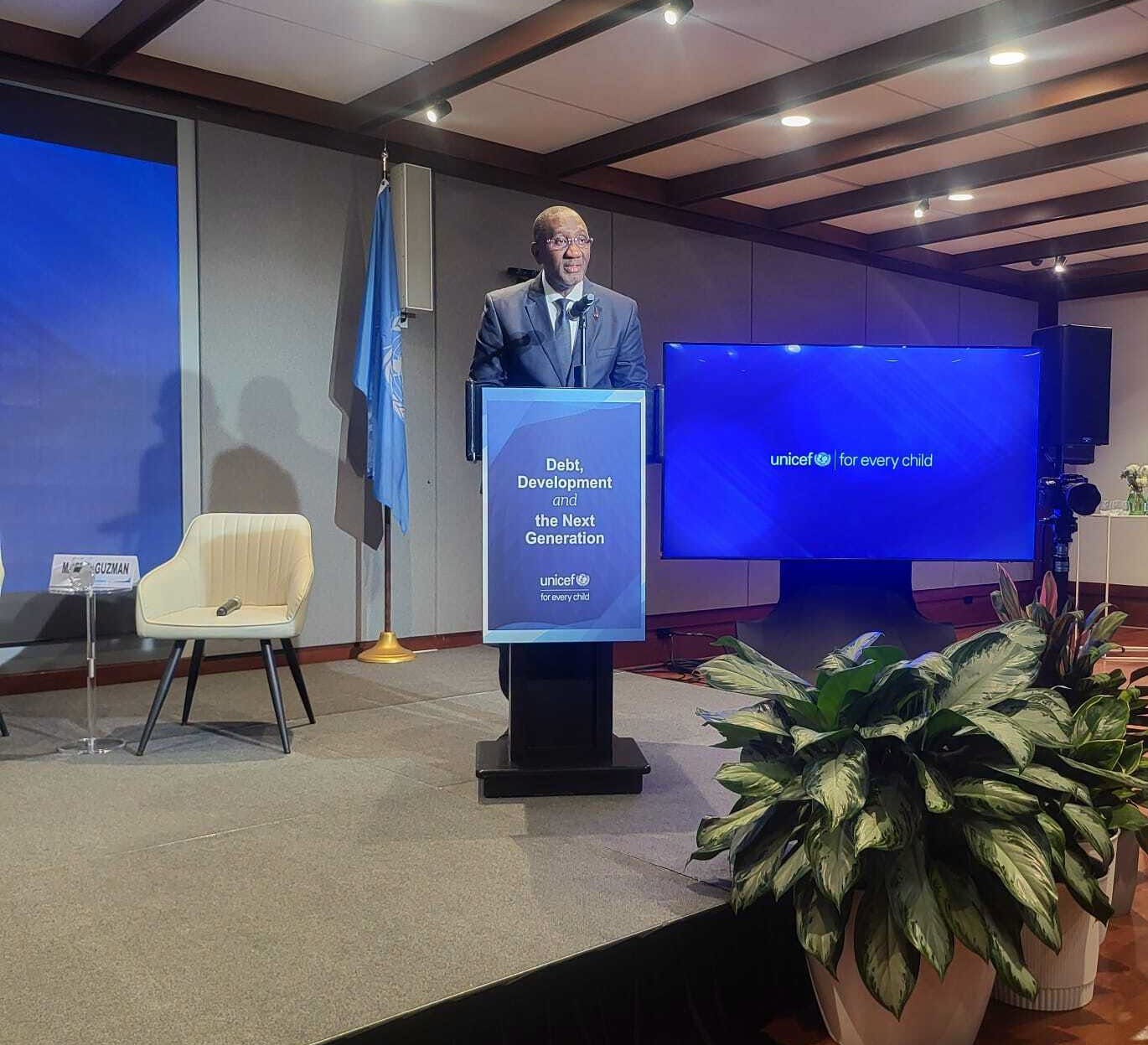
When Ivorian Planning and Development Minister Dr Souleymane Diarrassouba took the floor in New York on 21 and 22 September 2026, he wasn’t there to deliver a routine speech. Two high-level UNICEF gatherings — one on financing artificial intelligence in education, the other on how debt burdens future generations — became the stage for a deeper story: how a West African nation is quietly re-engineering the relationship between borrowing and human capital. The subtext was clear. Behind the diplomatic pleasantries, Côte d’Ivoire is testing whether a country can owe money without mortgaging its children’s classrooms.
The backstory: why Côte d’Ivoire is rewriting the rules of sovereign borrowing
Most developing countries treat debt and education as competing priorities. Côte d’Ivoire is attempting something different. The country’s approach rests on a simple but radical premise: how you borrow matters as much as how much you borrow. That philosophy was on full display during the first session on 21 September, held under the Learn AI Global Compact, a UNICEF initiative built around the theme “Responsible AI for every learner.”
The minister didn’t just talk about technology. He walked delegates through a financing model that ties repayment terms to measurable sustainability outcomes — a mechanism few African nations have attempted at scale.
Inside the 2025 sustainability-linked loan that changed the game
In 2025, Côte d’Ivoire adopted a dedicated framework and secured a €433.3 million loan whose financial conditions shift based on results in renewable energy and forest restoration. The deal carries a joint guarantee from the International Bank for Reconstruction and Development (IBRD) and the Multilateral Investment Guarantee Agency (MIGA). It stands as West Africa’s first sovereign sustainability-linked loan — a landmark that has quietly become a reference point in development finance circles.
In New York, the conversation turned to whether this template could be extended to human capital. The idea: a sustainability-linked bond where repayment terms are pegged to national learning outcomes. It’s an elegant concept on paper. In practice, it demands reliable, verifiable learning indicators and disciplined financial risk management. Loan maturities would need to align with the timeline of the investments being financed. Child data protection, along with the responsibility of states and teachers in pedagogical decisions, were flagged as non-negotiable principles.
Côte d’Ivoire’s National Development Plan 2026-2030 already leans heavily into digital tools and artificial intelligence, particularly in education and training. The country signalled its readiness to keep working with UNICEF and Learn AI Global Compact partners on verifiable learning metrics and a suitable guarantee mechanism.
The debt dilemma: what 400 million children are up against
The second high-level meeting on 22 September shifted focus to debt, development and future generations. UNICEF’s data paints a stark picture: nearly 400 million children live in countries where debt is growing faster than spending on health, education and nutrition.
Minister Diarrassouba used the platform to articulate Côte d’Ivoire’s position — that debt’s impact on populations hinges on three factors: how it’s allocated, how it’s structured and what it costs. It’s a framing that moves the debate beyond simplistic calls for debt relief toward a more nuanced question of debt quality.
How the 2026-2030 plan anchors the strategy
The National Development Plan 2026-2030 serves as the policy backbone. It prioritises human capital, skills and employment, with specific targets on maternal and child health, universal health coverage, social protection and improving the human capital index. Running in parallel is a debt management strategy built on risk control, fiscal sustainability and securing better financing terms.
The 2024 debt swap: where the money actually went
Concrete action backs up the rhetoric. In 2024, with support from the World Bank Group, Côte d’Ivoire executed a debt-for-development swap. Nearly €400 million of commercial debt was refinanced. The operation is expected to free up roughly €330 million in fiscal resources over five years, with a significant share channelled to education through national budget mechanisms.
“A debt with a human face is not a cancelled debt. It is a debt whose allocation, structure and cost serve health, education and child protection,” Diarrassouba told the gathering.
What lies beneath: the strategic calculus
Across both appearances, a coherent narrative emerged. Côte d’Ivoire is betting that preserving debt sustainability while directing resources toward national priorities — and exploring new instruments when they serve the 2026-2030 plan — is a viable path. Education, health, social protection and human capital development remain the compass points.
The deeper insight from New York isn’t about any single loan or swap. It’s about a shift in mindset: from viewing debt as a burden to treating it as a tool — one that, if structured correctly, can build rather than erode a nation’s future.
