Côte d’Ivoire energy pact accelerates universal electricity access by 2030
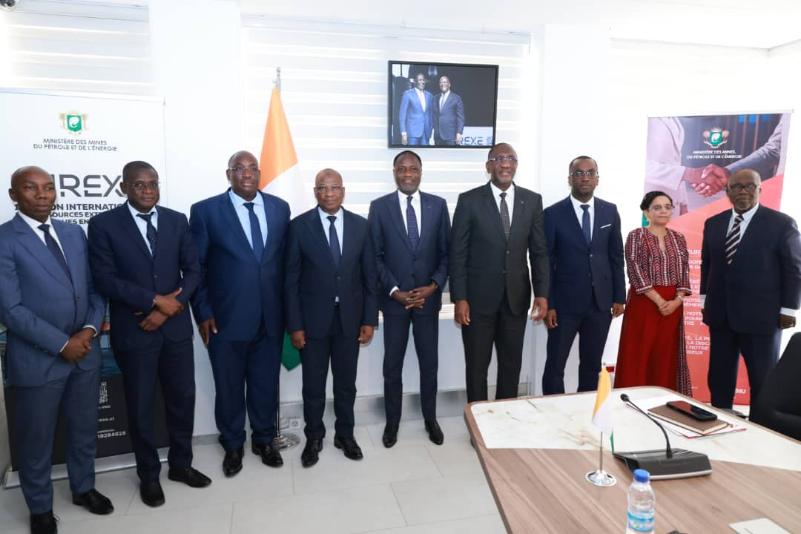
Ivory Coast has taken a decisive step toward achieving universal electricity access by 2030, following the inaugural meeting of the National Energy Pact Steering Committee on August 4, 2026. The session, held at the SCIAM building in Abidjan, was led by Dr. Souleymane DIARRASSOUBA, Minister of Planning and Development, alongside key figures including Mamadou SANGAFOWA-COULIBALY, Minister of Mines, Petroleum, and Energy, and senior government advisors. The primary objective was to review progress and align strategic priorities for the pact’s implementation.
The committee approved updated progress reports and greenlit a roundtable initiative aimed at securing funding for high-impact energy projects. This effort is part of the broader Mission 300 initiative, a joint program by the World Bank and the African Development Bank to connect 300 million people across Sub-Saharan Africa to electricity by 2030. Ivory Coast was selected as a model country for this initiative, having launched its National Energy Pact in January 2025 during the African Heads of State Energy Summit in Dar es Salaam, Tanzania.
The pact outlines a total investment of 6.56 billion dollars (approximately 3,980 billion West African CFA francs) for the 2025–2030 period, with private sector contributions expected to reach 1,177 billion West African CFA francs. Governance of the pact is structured around a steering committee, a technical committee, and a dedicated coordination unit.
Key Objectives and Progress
At the meeting, Dr. DIARRASSOUBA outlined the pact’s four core objectives: achieving universal electricity access, promoting clean cooking solutions for households, increasing renewable energy to 45% of the national energy mix, and ensuring the financial sustainability of the energy sector. These goals align with the National Development Plan and the United Nations’ seventh Sustainable Development Goal, underscoring energy’s critical role in Ivory Coast’s economic and social advancement.
The latest progress report highlights significant strides toward the 2030 targets. In 2025 alone, Ivory Coast connected 684,735 households—encompassing nearly 3.6 million people—to the grid, surpassing its annual target by 5.3%. Since 2024, the country has extended electricity access to 7.7 million citizens, with a national coverage rate now standing at 81.1%.
Investment Portfolio and Regional Integration
The 2026–2030 investment portfolio, presented during the meeting, includes priority projects valued at approximately 2,840 billion West African CFA francs, currently in the fundraising phase. The committee also set new deadlines for pending actions to ensure timely execution.
Ivory Coast’s leadership in West Africa’s energy sector is further solidified by its robust regional electricity infrastructure. The country’s power system is among the largest in the region, and its ongoing projects are designed to strengthen the West African electricity market, fostering greater integration and collaboration across borders.
