Congo-Kinshasa political dialogue faces constitutional challenges
Following a meeting with Burundian President Évariste Ndayishimiye, the Coalition Article 64 (C64) for the defense of constitutional order concluded its visit to Bujumbura on July 9, 2026. The coalition, led by figures such as Martin Fayulu, emphasized that their journey was not a request but a response to an initiative from the Burundian leader in his capacity as African Union chairperson.
During discussions, C64 leaders underscored their commitment to political dialogue and national cohesion. However, they made it clear that any meaningful negotiation must begin with a public rejection of constitutional amendments, the release of political prisoners, and the cessation of politically motivated prosecutions. These conditions, they argued, are non-negotiable pillars for genuine progress.
Core demands for a sustainable solution
The coalition reiterated that the current political crisis in the Democratic Republic of Congo cannot be resolved without addressing its root causes. Their stance is rooted in the belief that previous peace processes failed because they overlooked fundamental political issues—particularly the disregard for constitutional integrity and the rule of law.
Among their key grievances is President Félix Tshisekedi’s proposal to amend the constitution, which they view as a critical obstacle in a nation already grappling with armed conflict and territorial occupation. The C64 insists that constitutional stability must take precedence over any revision efforts, warning that such changes could further destabilize the country.
A call for institutional accountability
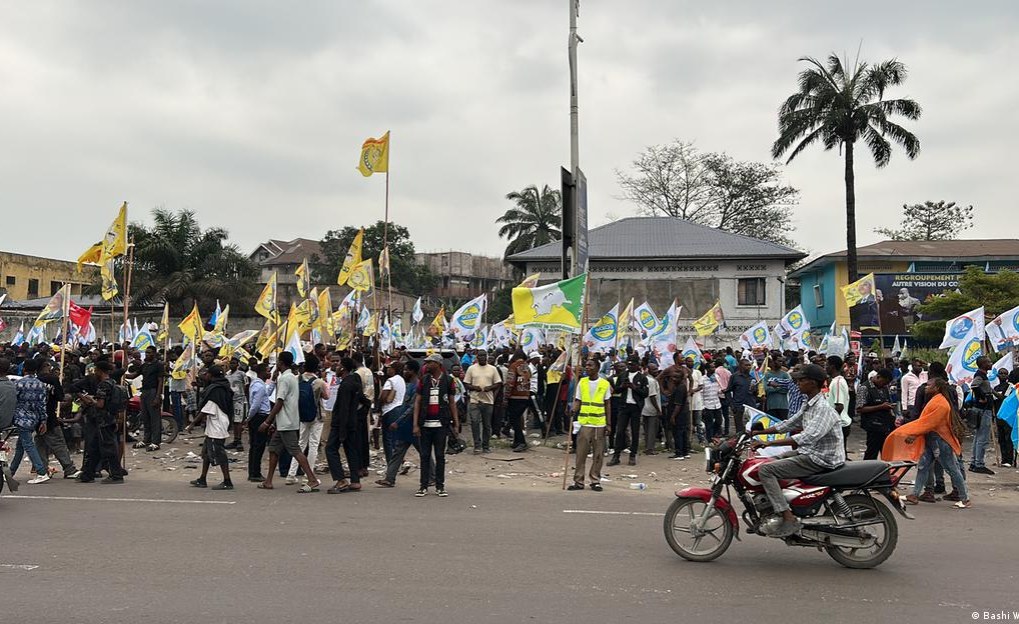
On July 22, 2026, the coalition plans to organize a peaceful march to the Palais de la Nation, demanding President Tshisekedi’s resignation. They accuse him of violating his constitutional oath, arguing that his actions have undermined democratic principles and deepened the nation’s crisis. The protest aims to pressure the government into reversing course and restoring public trust in institutions.
The C64’s position reflects growing public frustration with unaddressed political grievances, particularly in a context where territorial integrity and constitutional order are under severe strain.
