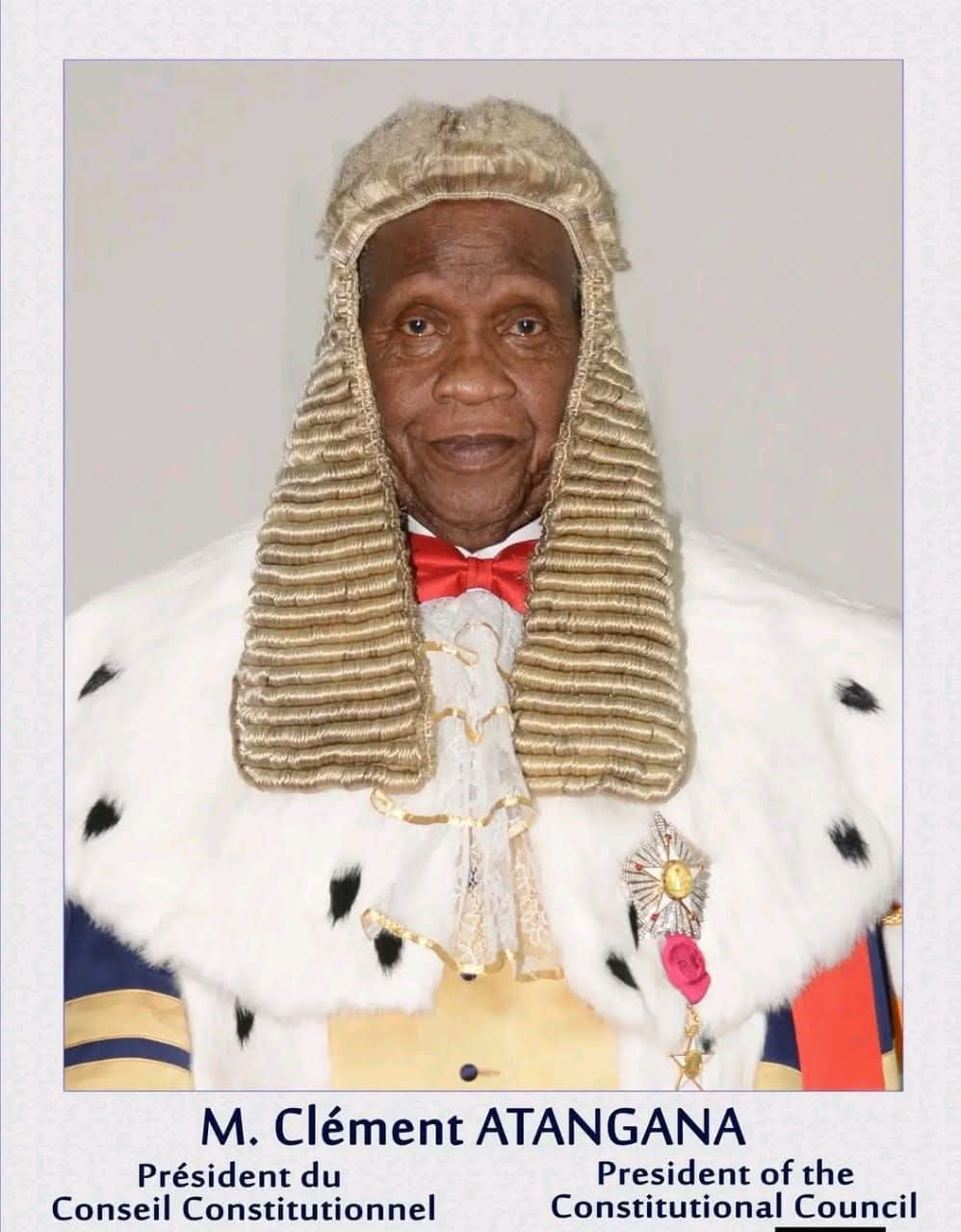
Clément Atangana’s death in Paris: a turning point for Cameroon’s constitutional council
A pivotal shift in Cameroon’s judicial landscape
The death of Clément Atangana, president of Cameroon’s Constitutional Council, marks a decisive turning point for the nation’s electoral justice system. Atangana, who had been evacuated to Paris for advanced medical care, passed away there, leaving behind a legacy that has sparked both controversy and reflection on the future of the institution he led.
From Ngomedzap to the heights of power
Born in Ngomedzap, in the Nyong and So’o division, Atangana was a magistrate of the highest rank. At 85, he concluded his career and life amid debate over his role as the head of the Constitutional Council. His tenure was often characterized by perceptions of partiality, particularly in the realm of electoral disputes.
The 2018 election controversy and the ‘irrecevable’ label
During the 2018 presidential election disputes, the Constitutional Council under Atangana’s leadership became known for rejecting all petitions with the term “irrecevable” (inadmissible). This led to public criticism and earned him the nickname “Irrecevable.” Since then, the Council has been widely viewed as aligned with the ruling party, the RDPC.
Allegations of bias and the video that fueled suspicions
Atangana’s impartiality was further questioned when a video surfaced on social media showing him celebrating with his family after the announcement of Paul Biya’s victory in the presidential election. In the video, he referred to Biya as “your candidate,” addressing his relatives, which many interpreted as a clear sign of favoritism.
The 2025 development committee meeting and its aftermath
In 2025, Atangana participated in a meeting of the Nyong and So’o Development Committee, which resulted in a motion supporting Paul Biya and urging him to run in the next presidential election. A reporter from Cameroon Tribune, the government newspaper, covered the event, leading to widespread media coverage and criticism. Atangana attempted to distance himself, claiming the meeting was apolitical and that he did not participate in the drafting of the support motion. However, the damage to his reputation among opponents was already done.
What lies ahead for the Constitutional Council?
Atangana’s death raises critical questions about the future of the Constitutional Council and its role in ensuring electoral justice in Cameroon. The institution now faces the challenge of rebuilding trust and credibility in a polarized political environment. The coming months will be crucial in determining whether this turning point leads to meaningful reforms or further entrenchment of existing divisions.
