Cholera outbreak in Chad claims 13 lives
The cholera outbreak in Chad continues to worsen, with authorities confirming 13 fatalities and 239 confirmed cases since the first infections were reported in mid-June.
The Tchad Ministry of Public Health declared the outbreak on July 24, following early reports of severe diarrheal cases in the Hadjer Lamis region and N’Djamena, the nation’s capital.
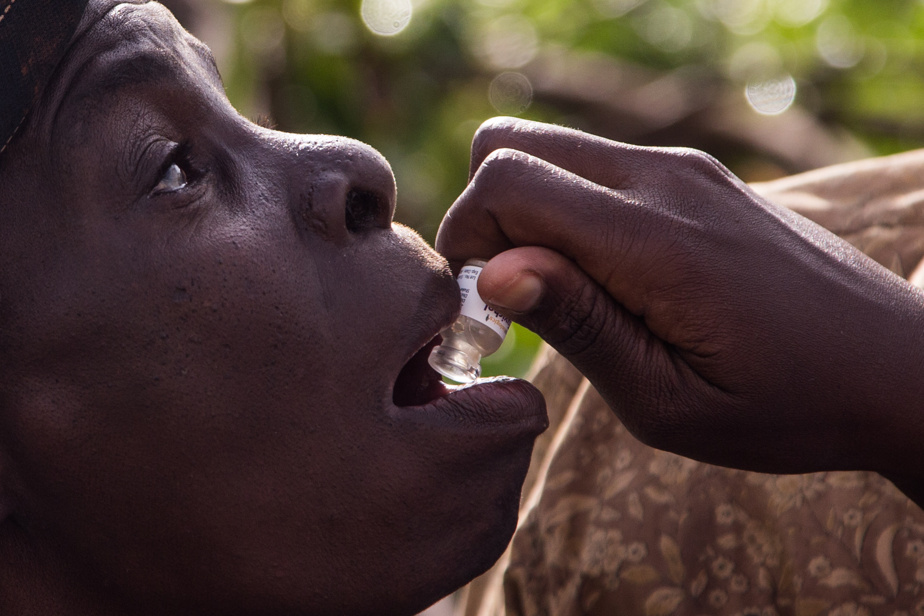
Health officials have launched an emergency vaccination campaign, administering doses to over 50,799 individuals to curb the spread. Despite these efforts, the situation remains critical due to severe challenges in accessing clean drinking water and proper sanitation across the country.
How the outbreak unfolded
The first cholera cases emerged on June 13, triggering immediate concern. By August 3, the total number of cases had surged to 239, with the outbreak concentrated in two key regions: the Hadjer Lamis province and N’Djamena.
Health authorities warn that cholera, an acute diarrheal infection caused by consuming contaminated food or water, can lead to death within hours if untreated. Early symptoms include severe diarrhea and vomiting, requiring urgent medical attention.
Why cholera persists in Chad
While advanced wastewater treatment systems have nearly eliminated cholera in many high-income countries, Chad faces systemic obstacles. Limited access to safe drinking water and inadequate sanitation infrastructure significantly increase the risk of transmission.
The Ministry of Public Health highlights these barriers as key factors hindering the fight against the disease. Without widespread improvements in water supply and hygiene practices, outbreaks are likely to recur.
Cholera has also affected neighboring countries, including the Central African Republic, Nigeria, and the Democratic Republic of the Congo, underscoring a broader regional health crisis.
