Chad’s presidential pardon for opposition leaders: a step forward but not enough
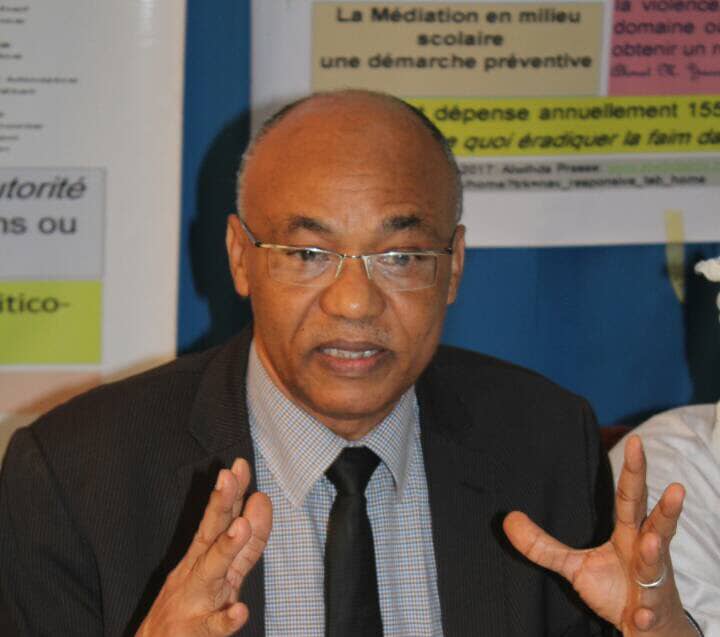
Chad’s presidential pardon for opposition leaders: a step forward but not enough, says Dr. Ahmat Yacoub Dabio
Political analyst Dr. Ahmat Yacoub Dabio examines Chad’s recent presidential pardon of opposition figures, calling it a meaningful yet insufficient gesture toward lasting political reconciliation.
Chad’s political climate shows signs of easing
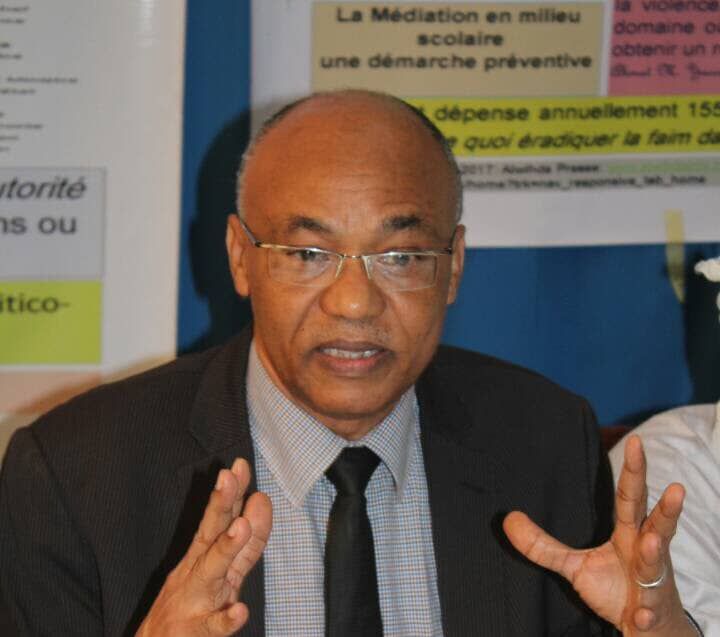
The decision to grant clemency to prominent opposition leaders in Chad marks a significant political development, according to Dr. Ahmat Yacoub Dabio, president of the Centre for Development and Extremism Prevention Studies (CEDPE). The move provides temporary relief by easing tensions and creating space for political dialogue.
A gesture with limits
While the pardon offers short-term benefits, the expert warns against equating it with genuine political reconciliation. The core challenge remains establishing the conditions for sustainable peace. The situation is complicated by the continued ineligibility of key opposition figures, a paradox where pardoned leaders remain barred from electoral participation.
Shifting political dynamics in Chad
The CEDPE highlights how this decision could reshape Chad’s political landscape. While traditional parties may struggle to adapt, the situation could pave the way for a new generation of leaders more focused on pressing issues like employment, purchasing power, security, and justice. However, if the ineligibility is viewed as a long-term exclusion, it risks fueling deeper frustrations.
Dr. Dabio emphasizes that presidential clemency alone cannot restore trust between the government and opposition. Chad requires a credible, inclusive, and transparent framework to transform this opening into a lasting national reconciliation process.
