Chad’s Miski goldfield clashes leave two soldiers dead amid Tibesti security crisis
Deadly confrontation erupts in Chad’s northern goldfields
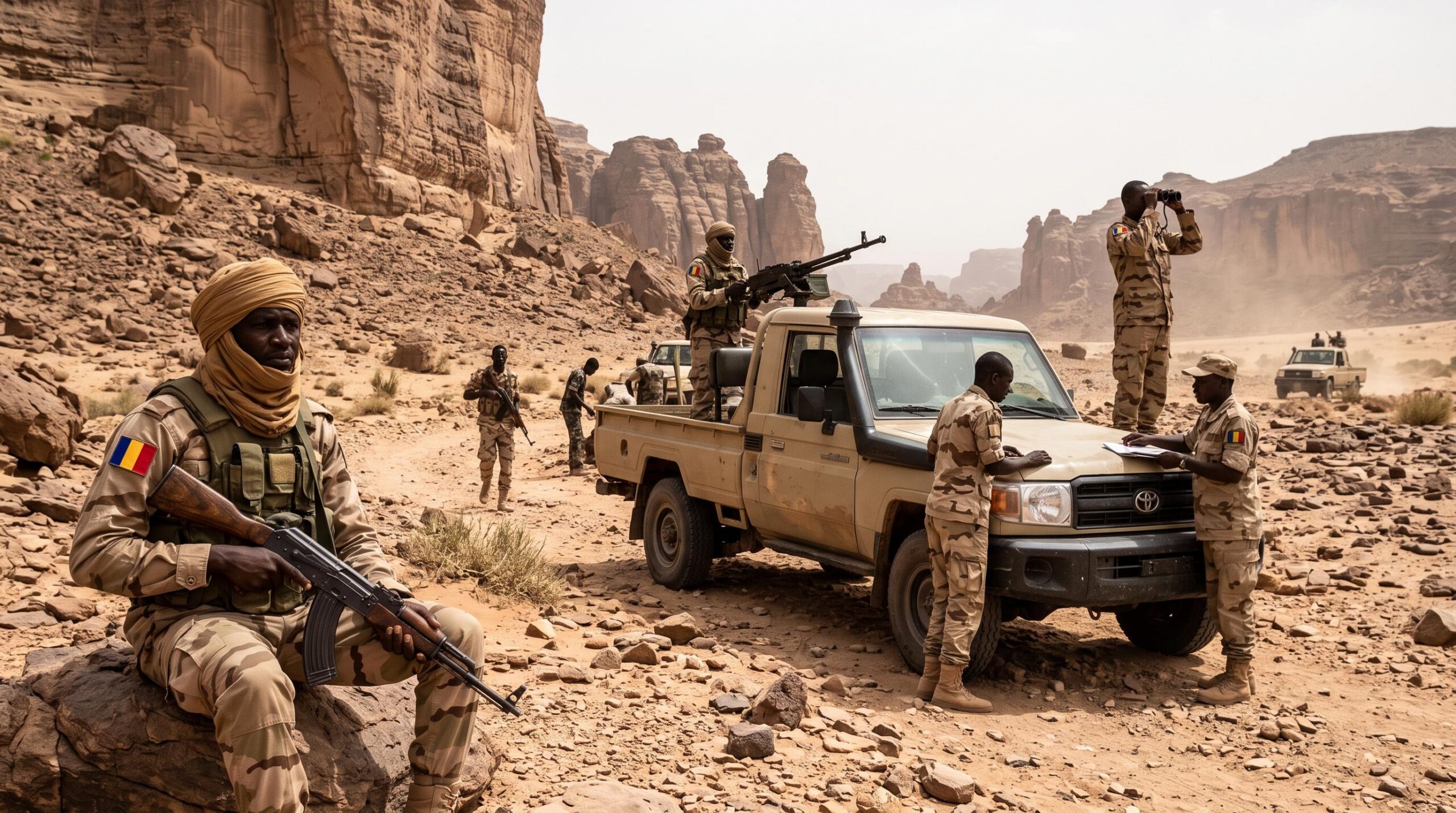
Violent clashes erupted on October 14 in Miski, a key gold mining zone in Chad’s Tibesti region, resulting in two military fatalities and nine security force injuries. The confrontation between the government’s Mining Brigade and a local self-defense committee has escalated tensions over control of the area’s lucrative gold deposits.
Unclear origins of the Awa zone violence
Fighting broke out around 5 p.m. near the Awa mining site, though the exact trigger remains disputed. Military officials allege the self-defense group initiated the attack, violating peace agreements by refusing to disarm. Without independent verification available, these claims reflect the army’s official stance.
Military accusations and local counterclaims
The army has condemned the incident as a rebellion, warning that continued resistance will be treated as a direct challenge to state authority. Meanwhile, the self-defense committee had previously accused the Mining Brigade of heavy weapons fire on October 13, labeling it a provocation that breached the ceasefire.
Peace agreement fractures expose deeper divisions
The April 2025 peace accord and subsequent October 3 commitments, made during a government delegation visit, now face severe strain. Both sides accuse the other of undermining the agreement, with the central dispute revolving around economic control of the goldfields and the contested presence of security forces in civilian areas.
Civilian safety at risk in Tibesti’s gold rush
While no independent reports confirm civilian casualties or displacements, local residents in Miski and surrounding areas face growing uncertainty. The path to de-escalation hinges on both parties prioritizing dialogue, conducting transparent investigations, and honoring their mutual commitments to prevent further military escalation.
What’s next for Chad’s Tibesti?
With the fragile peace process hanging in the balance, the international community and regional mediators may need to intervene to prevent the conflict from spiraling into a broader security crisis. The economic stakes—centered on gold mining—continue to fuel instability, raising questions about sustainable solutions for both local populations and national authorities.
