Chad’s minors-in-uniform inquiry: what the N’Djamena prosecution’s move is really about
Chad’s minors-in-uniform inquiry: what the N’Djamena prosecution’s move is really about
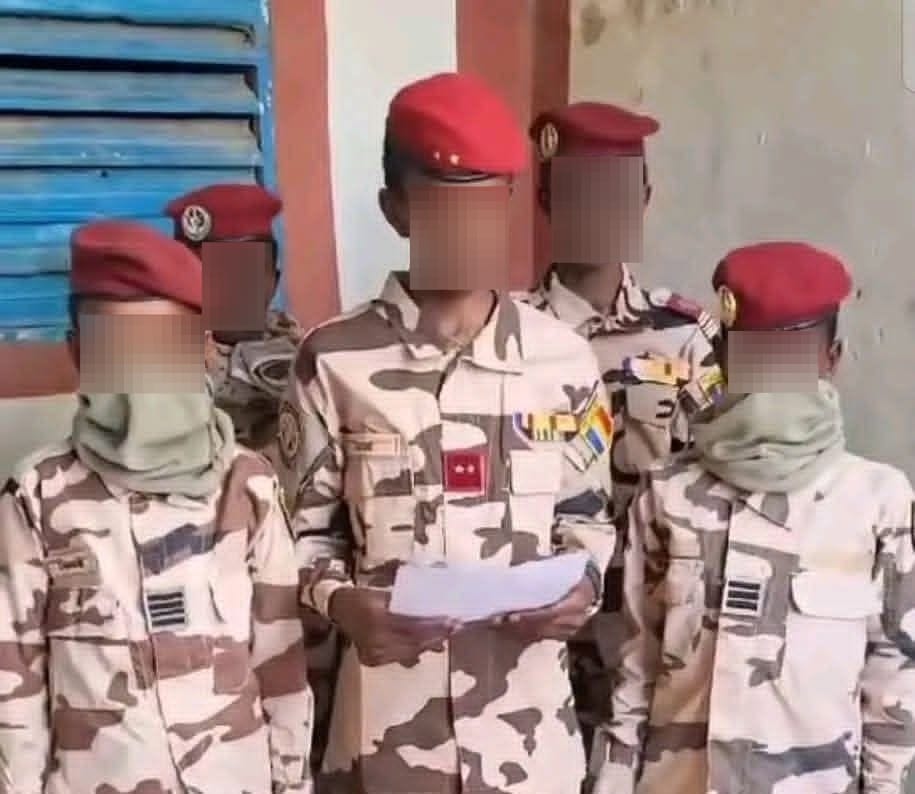
Behind the viral clip of five minors in military attire, the N’Djamena prosecution’s decision to open an investigation into possible instrumentalization points to deeper questions about how young people are drawn into political messaging — and who stands to benefit.
How a viral video became a judicial matter
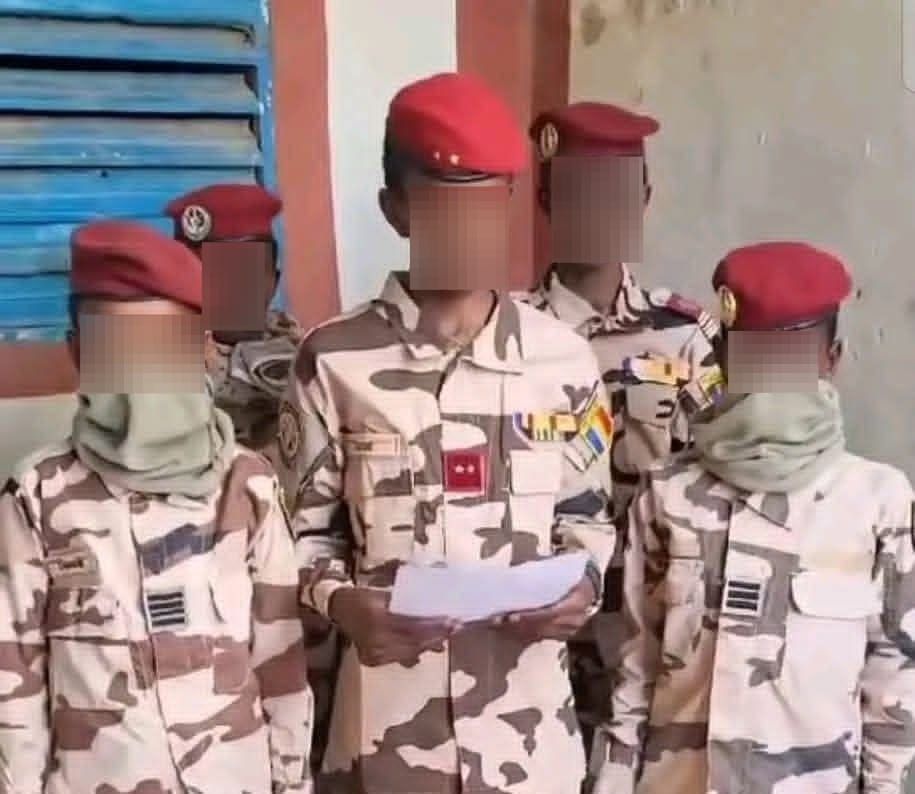
The case began with a clip circulating on social media showing five underage boys dressed in military-style uniforms and making critical remarks directed at the head of state and state institutions. The prosecution at the N’Djamena court of first instance subsequently issued a public update on the proceedings, signalling that the matter is being treated with seriousness.
What the minors told investigators — and under what rules
Judicial police officers took the five boys into custody in the presence of their parents, and they were questioned under the specific legal framework that governs minors. The prosecution stressed that the investigation remains active and that all evidence gathered so far must be weighed impartially, with the presumption of innocence and due process fully respected.
Balancing protection with accountability
While acknowledging that being a minor calls for special safeguards, the judicial authority made clear this does not automatically erase the possibility of responsibility. Officials described the approach as one that seeks a middle ground — combining education and rehabilitation with the need to uphold public order.
A call for restraint on social media
Media outlets and social media users were urged to protect the anonymity and dignity of the minors by refraining from sharing any content that could lead to their identification. The warning reflects growing concern about how quickly images of children can spread online once they enter the public domain.
The widening focus: adults behind the scene
Investigators are now turning their attention to whether adults may have organized, encouraged or exploited these young people. The prosecution issued a firm caution against any instrumentalization of youth, underscoring that social media platforms are not exempt from the law. The case has reignited a broader debate in Chad about how minors are supervised and how digital platforms are used.
