Chad president’s pardon announcement sparks political easing hopes
Chad: Could the president’s pardon announcement ease political tensions?
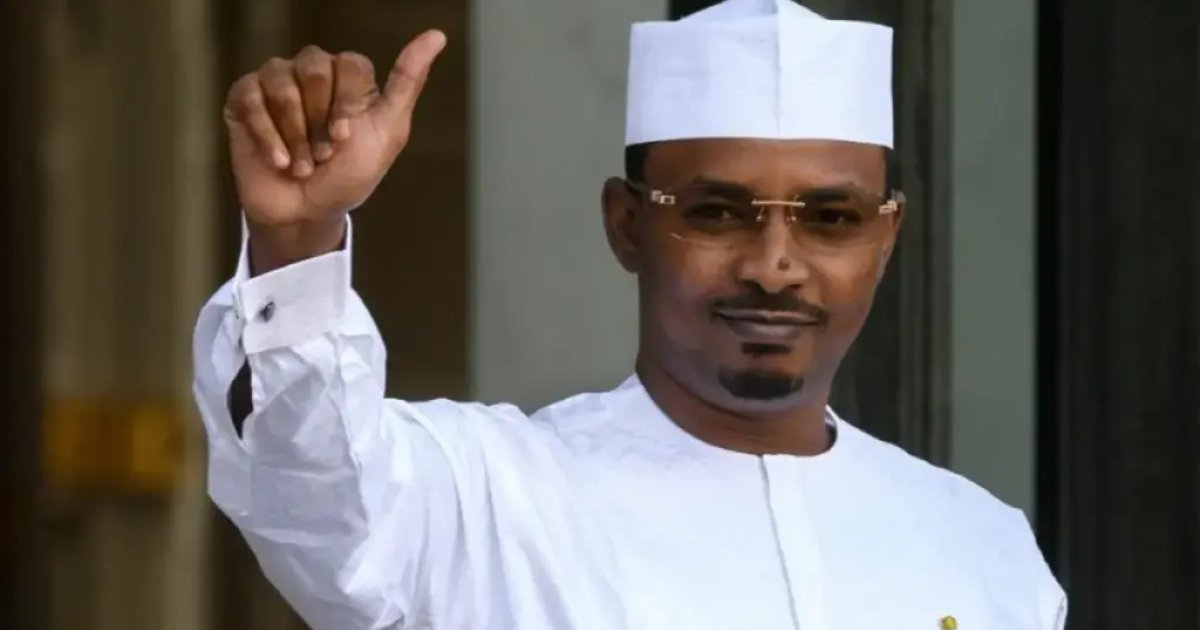
As Chad marks its 66th Independence Day, President Mahamat Idriss Déby Itno has declared his intention to exercise his clemency powers in favor of several convicted individuals. While the beneficiaries remain undisclosed, the announcement has heightened anticipation regarding the fate of prominent opposition figures, including former Prime Minister Succès Masra.
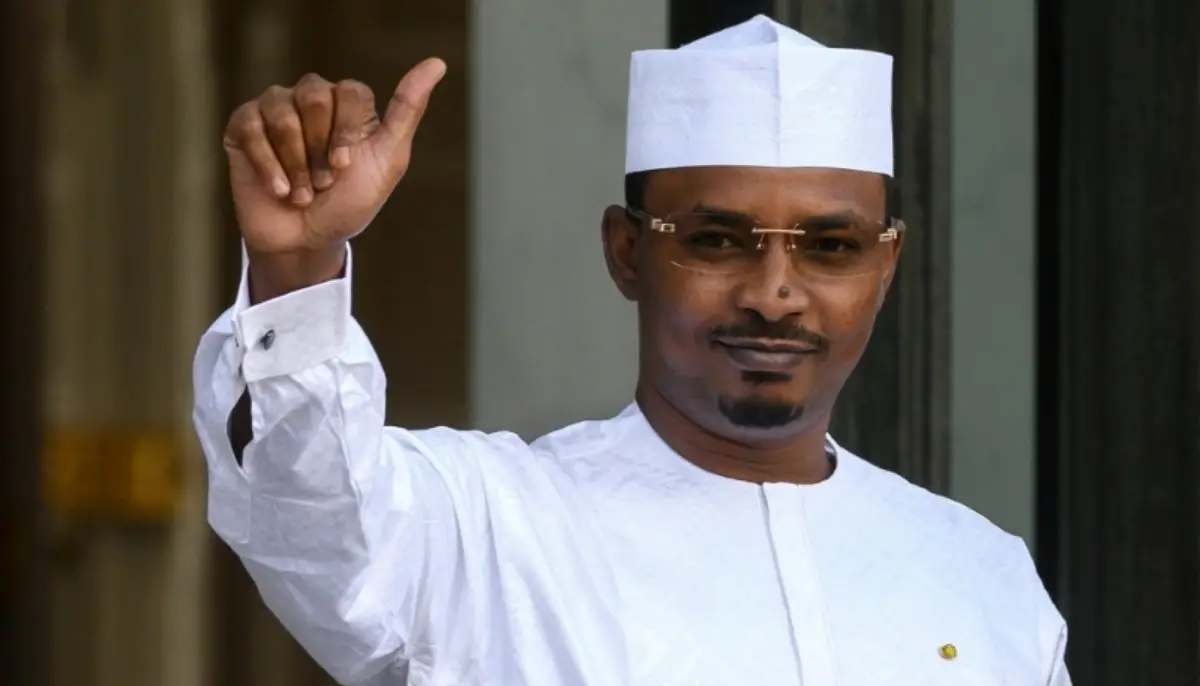
In a speech delivered during the national celebration, the president framed the potential pardons within a broader message of national unity and reconciliation. However, the actual impact will hinge on the forthcoming decree, which will specify the identities of those affected and the terms of sentence reductions or commutations.
The uncertainty surrounding the announcement has fueled speculation about detained opposition leaders. For months, political formations have been advocating for gestures of political easing, particularly from the Coalition to Save Democracy in Chad (COSADT), established in January 2026. The coalition has repeatedly called for political dialogue and the release of individuals it considers political prisoners.
Succès Masra: The figure at the heart of expectations
The most prominent case involves Succès Masra, former Prime Minister and leader of the Transformers party. In August 2025, he was sentenced to 20 years in prison for his alleged role in intercommunal violence, including charges of disseminating hate speech and complicity in murder. The Supreme Court upheld his conviction on May 21, 2026, solidifying its legal finality.
While the Transformers party had initially pushed for amnesty, which would erase the legal consequences of the conviction, the president’s pardon could offer a more immediate, though partial, resolution. A pardon would reduce or suspend the sentence without erasing the conviction, leaving the legal and political repercussions intact.
The distinction is critical. For Masra, a pardon might provide short-term relief, but an amnesty could pave the way for a political comeback. At this stage, it remains unclear whether he is among those targeted by the presidential clemency.
Other opposition figures caught in calls for easing political tensions
The focus extends beyond Masra. The COSADT and other opposition groups have intensified their calls for the release of imprisoned activists and the initiation of a dialogue with the government. They argue that the political climate has deteriorated and advocate for measures to restore trust between authorities and opposition forces.
The government, however, contends that institutional stability and adherence to judicial procedures remain intact. The situation is further complicated by Chad’s July 27, 2026, decision to withdraw from the Rome Statute of the International Criminal Court, a move that will take effect one year after notification. Opposition calls now center on abandoning or reconsidering this withdrawal process rather than an immediate return to the Court.
The upcoming presidential decree will reveal whether the pardon announcement is a routine act of clemency tied to Independence Day or a deliberate political gesture. If Succès Masra or other opposition leaders are included, the decision could mark one of the most significant steps toward easing political tensions since the end of the transition period.
