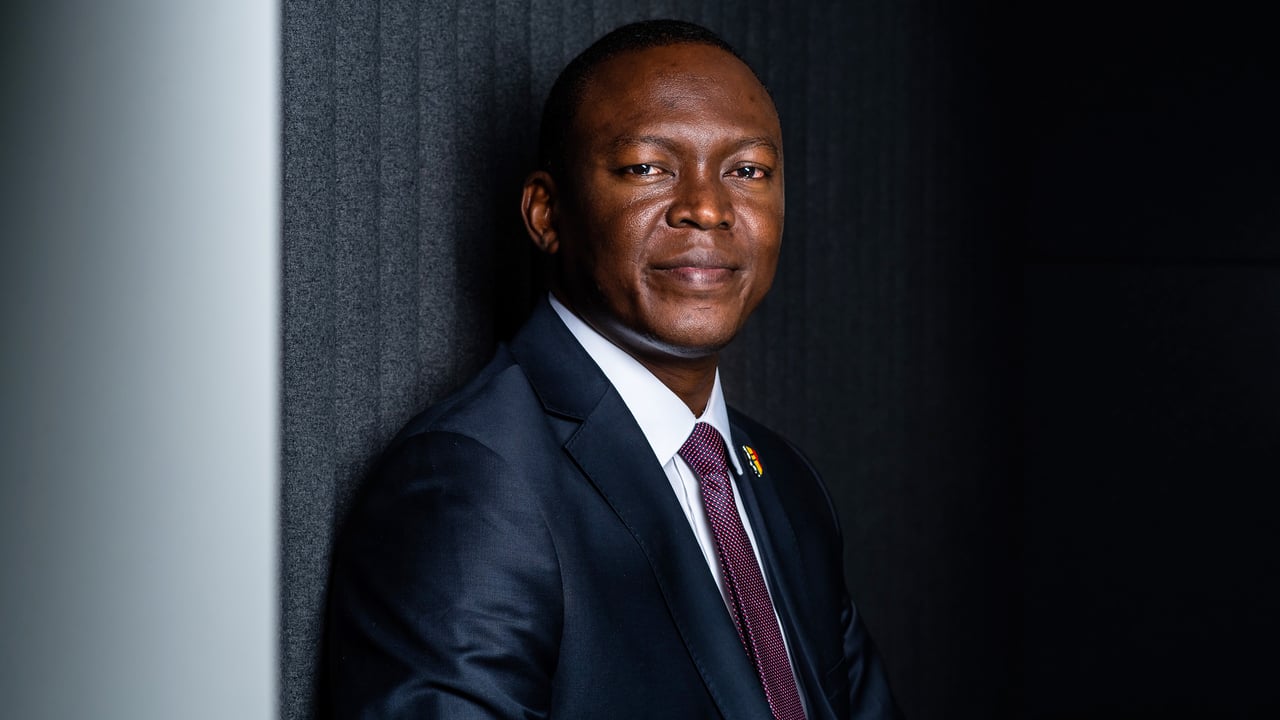
Chad president pardons opposition leader Succès Masra

President Mahamat Idriss Déby Itno grants pardon to detained opposition figure
In a significant move signaling potential political détente, Chadian authorities have officially pardoned prominent opposition leader Succès Masra. This decision, announced by the transitional government, comes after months of intense pressure from civil society groups and regional stakeholders.
From prison to political opportunity
Masra’s release follows a period marked by his hunger strike protest and subsequent detention under controversial circumstances. His legal team confirmed the pardon late last week, though specific conditions attached to his release remain undisclosed. Observers note this development as a potential turning point for Chad’s political landscape.
The opposition leader’s case had drawn international attention, with calls for his unconditional release growing louder from human rights organizations and diplomatic missions across West Africa. Regional diplomats had specifically urged the transitional government to consider Masra’s situation as part of broader efforts to stabilize the country’s political transition.
A new chapter for Chad’s political opposition
Masra’s pardon arrives amid ongoing negotiations between government representatives and various political factions. While some view this as a gesture of goodwill from the transitional authorities, others remain cautious, pointing to the complex political dynamics at play. His release could pave the way for more inclusive political dialogue in the coming months.
Reactions from civil society and political circles
Civil society organizations have welcomed the news with cautious optimism. Many activists had campaigned for Masra’s release, citing concerns about his deteriorating health during detention. Political analysts suggest this decision may help alleviate tensions that have persisted since the country’s recent political transition.
The transitional government has not issued an official statement regarding potential political roles for Masra moving forward. However, his release is seen as a positive signal for those advocating for a more open political environment in Chad.
Looking ahead: what’s next for Succès Masra?
With his freedom restored, Masra now faces critical decisions about his political future. Will he re-enter the political arena or adopt a different approach to opposition politics? The coming weeks will likely provide clarity on his intentions and the government’s willingness to engage in meaningful political reforms.
This development marks yet another chapter in Chad’s complex political journey, one that continues to draw attention from across the African continent and beyond.
