Chad flatly denies Niger strike allegations, demands verifiable proof
Government of Chad Rejects Strike Claims with Unwavering Denial
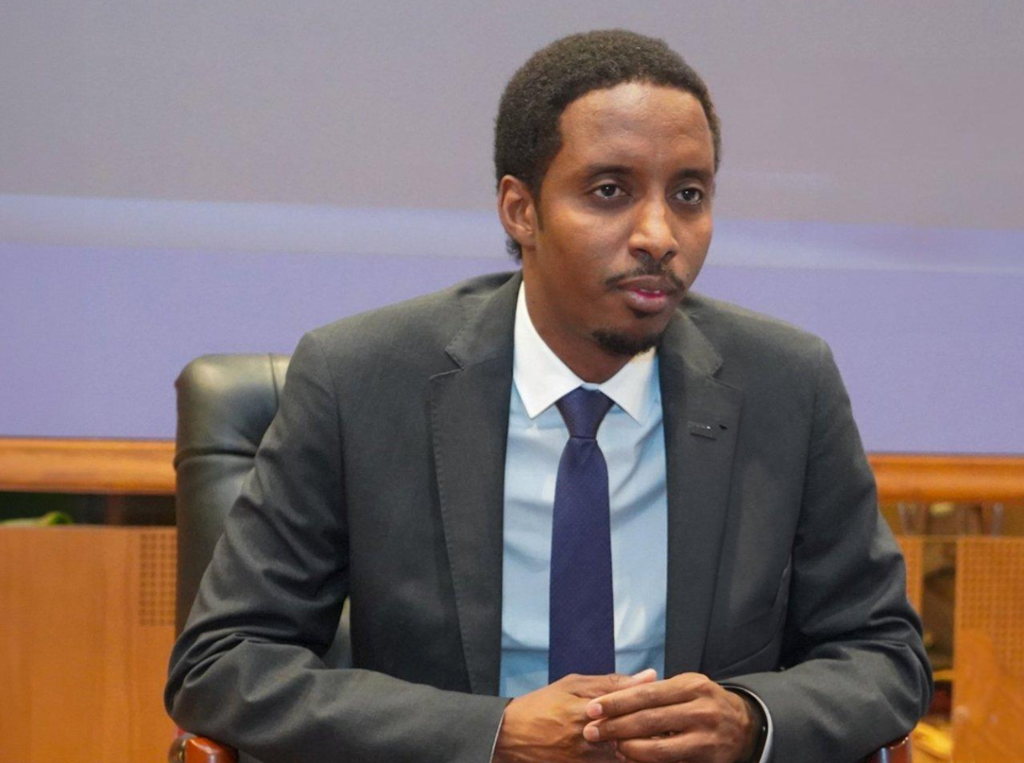
The government of Chad has categorically denied any involvement in an alleged airstrike on Niger, emphasizing that such grave accusations must be substantiated by concrete evidence. Through its spokesperson, Minister Gassim Chérif Mahamat, N’Djamena has not only refuted the allegations but has also insisted on the immediate release of any evidence presented by Niamey to validate the claims.
Transparent Accountability: Chad’s Call for Public Evidence
Chad is demanding full transparency from Niger, urging the release of verifiable materials and technical data that allegedly prove the country’s involvement in the incident. The government maintains that accusations of this nature—whether military operations or state-sponsored actions—cannot be established without scrutinizable facts. Until such evidence is made public, N’Djamena insists, the allegations remain unsubstantiated and fuel unnecessary regional tension.
Chad’s Position on Unverified Accusations
Minister Mahamat stressed that Chad’s denial is not a defensive response but a proactive demand for accountability. The government argues that accusations without verifiable proof risk destabilizing bilateral relations and undermining trust between the two nations. By calling for transparency, Chad seeks to shift the discourse from speculation to fact-based assessment, ensuring that any conclusions drawn are grounded in irrefutable evidence.
Security Concerns at the Forefront of Diplomatic Tensions
N’Djamena has also highlighted a long-standing security concern: the presence of armed Chadian rebel groups operating from Nigerien territory. The government claims it has repeatedly notified Niamey over the past four years about these groups, which it says pose a direct threat to Chad’s stability. This issue, Chad asserts, is central to understanding the broader security challenges both countries face.
While Chad’s warnings about cross-border threats are not new, the timing of these comments amid the strike allegations underscores a deeper frustration. The government appears to be reframing the debate, suggesting that Niger’s failure to address these rebel groups could be contributing to the current diplomatic friction. Yet, without verifiable details on the alleged strike or the rebel presence, these claims remain open to independent verification.
Preventing Escalation: The Path Forward for Chad and Niger
The exchange of accusations between Chad and Niger highlights the fragile nature of bilateral relations in a region plagued by armed threats and transnational instability. Publicly aired allegations, especially those lacking concrete evidence, risk exacerbating tensions and complicating future cooperation on security matters.
For Chad, the priority is clear: no involvement in the alleged strike, a demand for hard evidence, and a reiteration of its security concerns. The ball now lies in Niger’s court. Will Niamey provide the requested proof to substantiate its claims? Can both governments prioritize fact-finding over diplomatic posturing to prevent further deterioration of their relationship? The answers to these questions will determine whether this dispute remains a war of words or escalates into a full-blown crisis.
One thing is certain: in a region where misinformation can have severe consequences, the burden of proof rests on those making the accusations. Chad’s firm stance underscores this principle, demanding nothing less than irrefutable evidence before accepting responsibility for an unproven act.
