
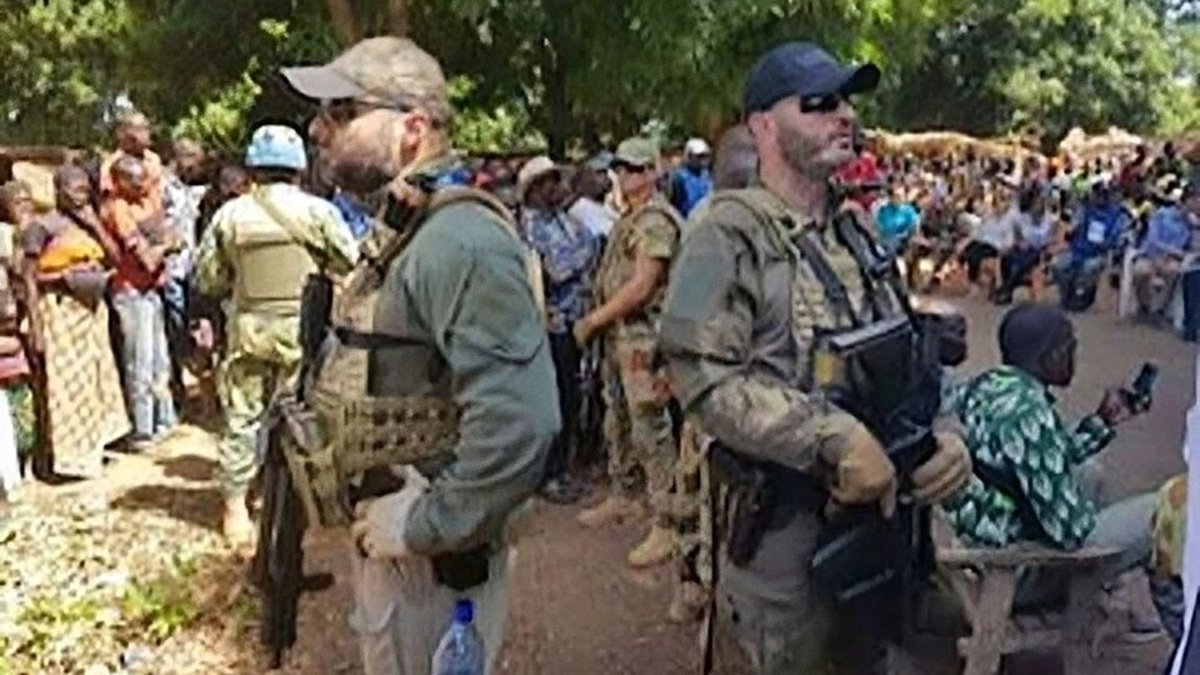
In a striking turn of events, a Centrafrican journalist who exposed the operations of the Wagner Group in his home country has been denied asylum in France, despite initially receiving a special travel permit from President Emmanuel Macron. The refusal, delivered on July 10, 2026, sends a chilling message to those fighting against Russian-backed disinformation campaigns in Africa and beyond.
journalist’s revelations sparked diplomatic and legal consequences
Ephrem Yalike-Ngonzo, a respected Centrafrican reporter, uncovered the inner workings of a coordinated propaganda network run by Wagner operatives in the Central African Republic. His findings directly contributed to the European Union’s decision to impose sanctions on Mikhaïl Prudnikov, a key figure in Moscow’s influence operations in Africa. The revelations also shed light on how Wagner recruited local journalists, including Yalike-Ngonzo, to amplify pro-Russian narratives in exchange for financial incentives ranging from 15 to 30 euros per article—barely a quarter of his monthly salary.
Yalike-Ngonzo’s decision to speak out came after years of coercion and threats. After being approached in late 2019, he began publishing articles glorifying the Centrafrican armed forces and their Russian allies. But by 2024, facing credible death threats from Wagner, he was forced to flee his country. His testimony became a cornerstone of an international investigation led by Forbidden Stories, which exposed the extent of Wagner’s influence campaigns across Africa.
asylum denied despite presidential intervention
Despite Macron’s personal intervention granting Yalike-Ngonzo a laissez-passer to enter France in 2024, his asylum application was recently rejected. The decision has been widely condemned by human rights advocates and press freedom organizations, who argue it sends a dangerous signal to whistleblowers and investigative journalists working under authoritarian regimes. His lawyer described the refusal as “an extremely negative signal to anyone fighting against Russian propaganda.”
Yalike-Ngonzo remains in hiding in France with his family while awaiting a court ruling on his appeal, expected within the next year. Meanwhile, his relatives in the Central African Republic are routinely interrogated and pressured to reveal his whereabouts. The ordeal underscores the perilous situation faced by those who dare to expose the truth in regions where Russian mercenary groups operate with impunity.
what’s next for whistleblowers in africa?
The case raises urgent questions about the safety of whistleblowers and the responsibility of European governments in protecting those who expose foreign interference. As Wagner’s footprint continues to expand across the Sahel and Central Africa, journalists and activists face growing risks—both at home and abroad. France’s refusal to grant asylum to a man who risked everything to reveal the truth may deter others from coming forward, leaving critical stories untold and impunity unchallenged.