
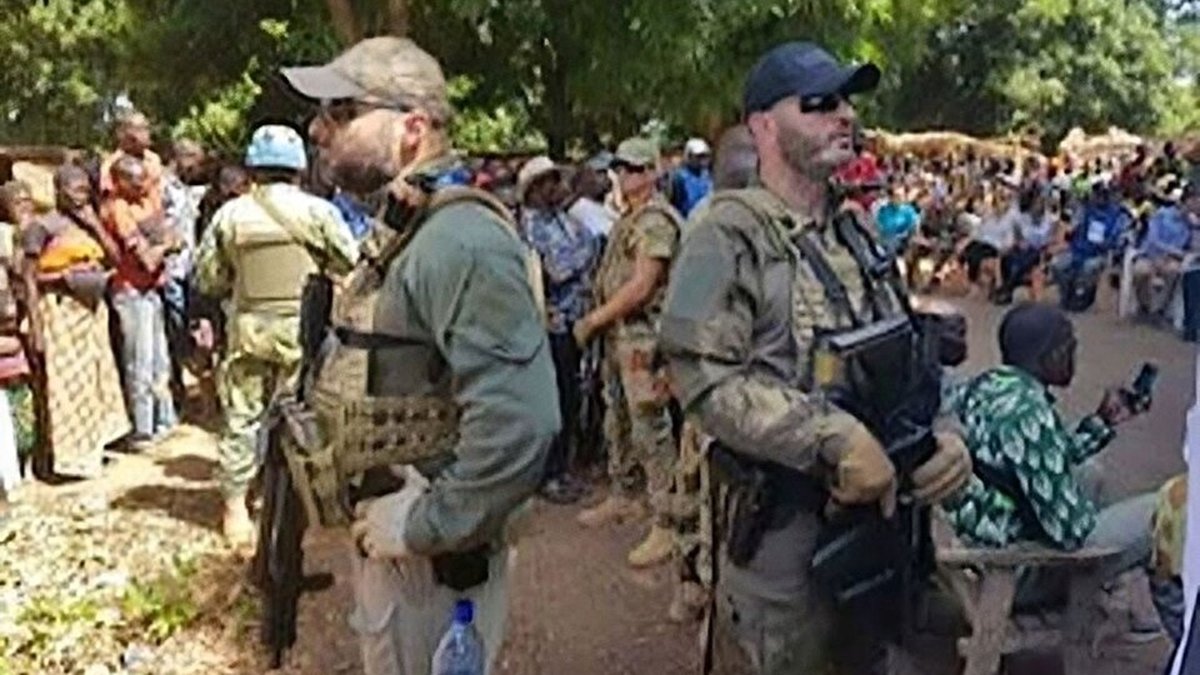
In a decision that has sent shockwaves through human rights circles, a Centrafrican journalist who exposed the operations of the Wagner Group has been denied asylum in France. Ephrem Yalike-Ngonzo, whose revelations led to European sanctions against a key figure in Russian disinformation networks, had been granted a laissez-passer by President Emmanuel Macron’s administration to enter French territory in 2024.
The refusal of his asylum request marks a stark reversal for Yalike-Ngonzo, who has faced death threats from Wagner affiliates since 2024. His revelations about Russia’s covert influence campaigns in Central Africa were central to an international investigative series, prompting swift retaliation against his family members still in Centrafrica.
From collaboration to whistleblowing
Yalike-Ngonzo’s journey began when he was recruited in late 2019 by pro-Russian forces in Centrafrica. At the time, he was a working journalist earning between fifteen and thirty euros per article—barely a quarter of his monthly salary—published in support of the Centrafrican military and its Russian allies. His role shifted dramatically in 2024 when he provided critical testimony to an undercover investigation, exposing how Wagner operatives had infiltrated local media and political structures.
After his identity was compromised, Yalike-Ngonzo fled Centrafrica under imminent threat of assassination. His disclosures contributed directly to the European Union’s decision to sanction Mikhail Prudnikov, a Russian operative identified as a mastermind behind Moscow’s propaganda machine in the region.
legal limbo and ongoing risks
French authorities delivered the asylum refusal on July 10, 2026, despite the journalist’s precarious situation. His legal team has filed an urgent appeal with the National Asylum Court, though a final ruling may take up to a year. In the meantime, Yalike-Ngonzo remains in hiding in France with his family, while relatives back in Centrafrica endure regular interrogations and coercive questioning about his whereabouts.
His lawyer called the refusal a “profoundly negative signal” to others fighting Russian disinformation, warning that such decisions could deter future whistleblowers from coming forward.