Can Cameroon return to its federal structure?

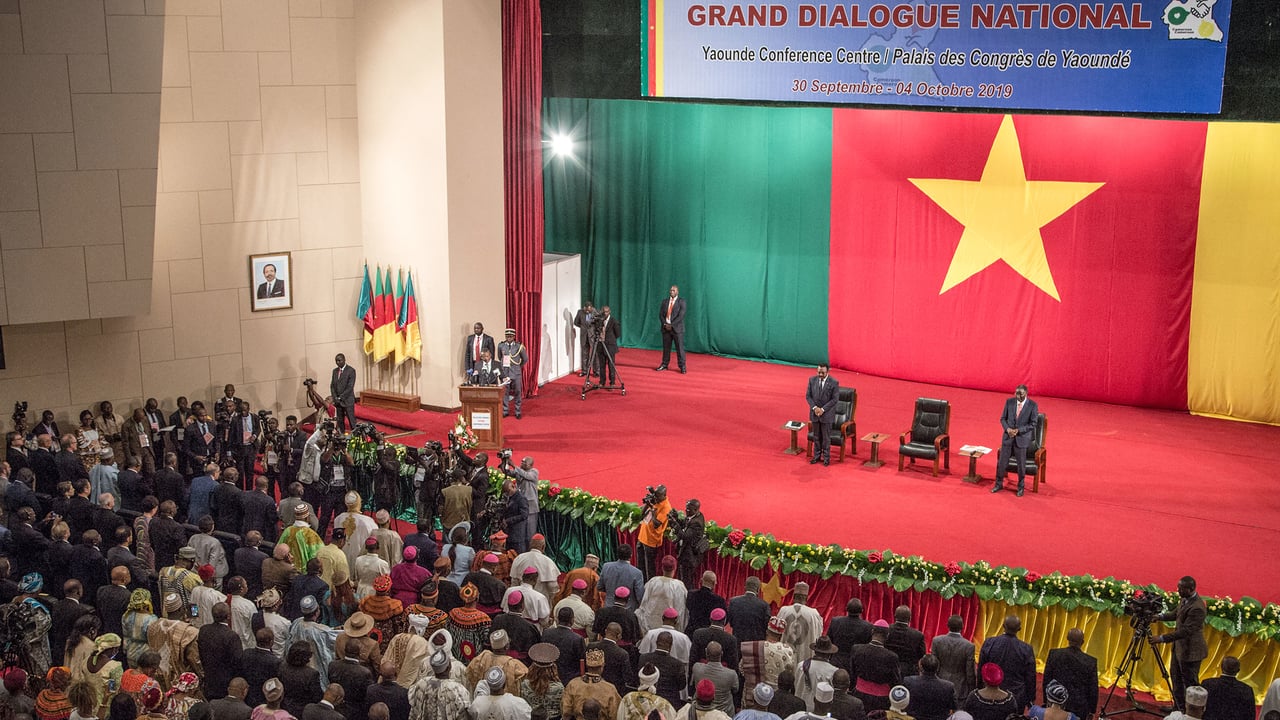
The notion of reintroducing a federal system in Cameroon has resurfaced as a potential solution to the persistent tensions plaguing the nation’s English-speaking regions. This debate gained momentum during a national dialogue initiated by President Paul Biya in 2019, which sought to resolve the crisis that has divided the country for years. However, the absence of critical separatist leaders from the talks cast doubt on the feasibility of such reforms.
What does federalism entail for Cameroon?
Federalism, in the Cameroonian context, would involve devolving significant powers to the country’s ten regions, granting them greater autonomy in governance, resource management, and policy implementation. Advocates argue that this structure could address historical grievances, particularly those of the Northwest and Southwest regions, where Anglophone minorities have long felt marginalized by the centralized Francophone-dominated administration.
Proponents of federalism highlight several potential benefits:
- Enhanced regional autonomy: Regions would have more control over education, legal systems, and economic policies, aligning better with local needs.
- Reduced centralization: A federal system could alleviate the burden on the capital, Yaoundé, by distributing administrative and decision-making responsibilities.
- Cultural preservation: Greater regional authority could help protect the distinct cultural and linguistic identities of both Anglophone and Francophone communities.
Yet, the path to federalism is fraught with challenges, not least of which is the lack of consensus among political leaders, separatist factions, and the broader public.
Obstacles to federalism in Cameroon
The most glaring hurdle is the refusal of key separatist figures to engage in the national dialogue. Their absence underscores the deep divisions within the country and the skepticism surrounding any proposed reforms. Without their participation, any agreement risks being perceived as illegitimate by those most affected by the conflict.
Another significant challenge is the resistance from some political elites who view federalism as a threat to national unity. They argue that devolving power could exacerbate regional disparities and weaken the central government’s ability to maintain cohesion. President Biya, who has ruled Cameroon since 1982, has historically favored a strong centralized state, making it unlikely that he would support sweeping federal reforms.
Additionally, the economic implications of federalism remain a contentious issue. Critics warn that decentralizing resources could lead to disparities in development, with wealthier regions potentially benefiting at the expense of poorer ones. This concern is particularly acute in a country where regional economic imbalances are already a source of tension.
Historical context and past attempts
Cameroon’s journey toward federalism is not new. The country operated under a federal system from 1961 to 1972, when the two former colonies of British Southern Cameroons and French Cameroun merged. However, the federal arrangement was abolished in 1972 in favor of a unitary state, a move that many Anglophone activists view as a betrayal of the original unification agreement.
Since then, calls for a return to federalism have persisted, particularly among Anglophone communities. The government’s past attempts to address these demands—such as the 2019 national dialogue—have yet to yield tangible results, largely due to the lack of meaningful participation from separatist leaders and the entrenched resistance from central authorities.
What’s next for Cameroon’s federalism debate?
The future of federalism in Cameroon hinges on several factors. First and foremost is the willingness of all stakeholders—including the government, separatist groups, and civil society—to engage in genuine dialogue. The 2019 national dialogue, while a step in the right direction, fell short of achieving its goals due to the boycott by key figures.
Another critical factor is the role of international actors. Neighboring countries and global organizations could play a pivotal role in mediating the conflict and encouraging compromise. However, any external intervention would need to be carefully balanced to avoid appearing as interference in Cameroon’s internal affairs.
Ultimately, the question of whether Cameroon can return to a federal structure remains open. While the potential benefits are clear, the political and social hurdles are formidable. For now, the debate continues, with no resolution in sight, leaving millions of Cameroonians caught in the crossfire of a prolonged crisis.
