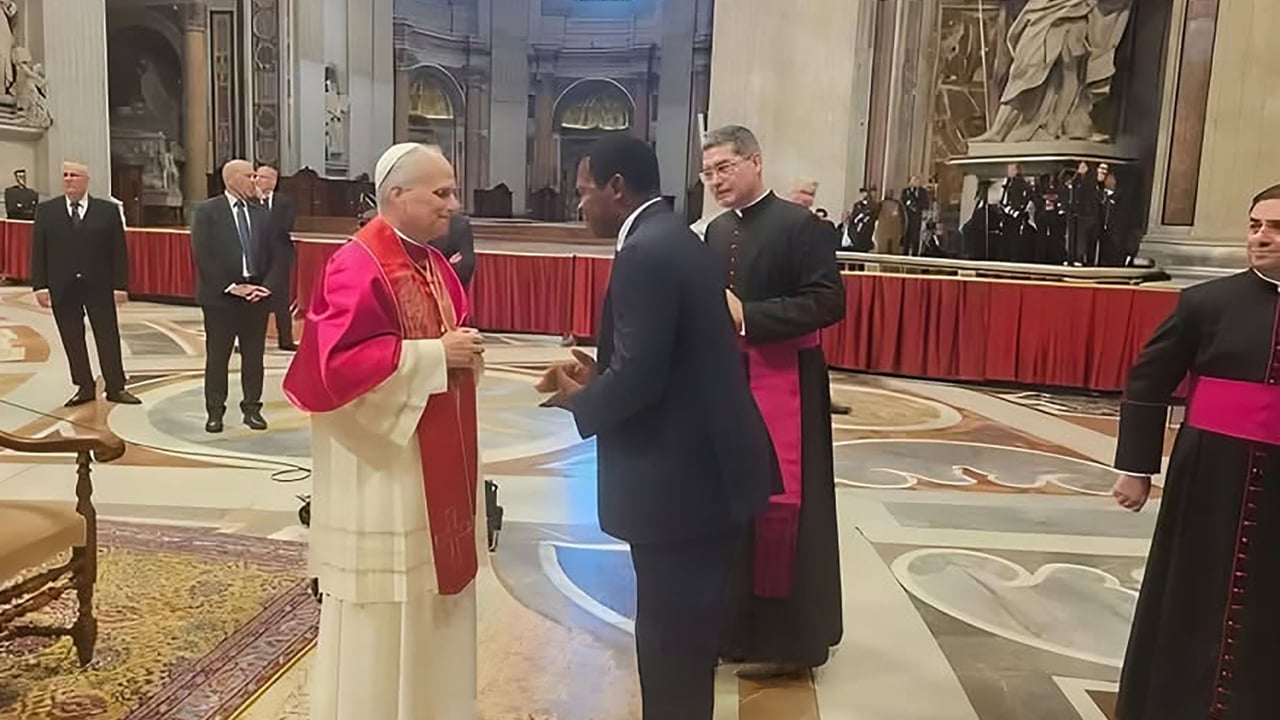
Cameroon’s Minister Paul Atanga Nji: A Bridge Between Faith and Governance

Cameroon’s Minister of State and Faith: The Dual Role of Paul Atanga Nji
In Cameroon, the intersection of governance and spirituality takes on a unique dimension with the appointment of Paul Atanga Nji. As Minister of State in charge of Religious Affairs, he stands at the crossroads of public service and religious leadership, a role that has drawn both admiration and scrutiny.
From Diplomacy to the Vatican: A High-Profile Representation
One of the most visible aspects of Atanga Nji’s tenure was his participation in a historic event at the Vatican. Representing Cameroon, he attended the inaugural mass of Pope Leo XIV on May 18, 2025, a moment that underscored the country’s commitment to fostering interfaith dialogue and global religious connections. The gesture was not merely symbolic; it reflected Cameroon’s dedication to strengthening ties with the Catholic Church and other religious institutions worldwide.
Balancing Secular Governance with Spiritual Leadership
Atanga Nji’s position is rare in modern governance, where the separation of church and state is often emphasized. His role involves overseeing religious affairs, a responsibility that requires navigating the complexities of Cameroon’s diverse faith communities. From the Catholic majority to Protestant denominations and Muslim populations, his mandate is to ensure harmony while respecting the secular nature of the state. This balancing act presents both challenges and opportunities for national cohesion.
The Symbolism of His Title
The title “Minister of State and Faith” carries significant weight. It suggests a recognition of the role religion plays in the lives of Cameroonians and the government’s willingness to engage with faith-based institutions. For many citizens, this role reinforces a sense of national identity rooted in shared spiritual values, even as the country grapples with political and social challenges.
A Figure of Influence in Cameroon’s Political Landscape
Atanga Nji’s presence in Cameroon’s political arena is not confined to religious circles. His influence extends to broader governance issues, where he has been a vocal advocate for policies that align with his vision of a united, faith-integrated society. His dual role has made him a key figure in discussions about national unity, social cohesion, and the role of religion in public life.
The Challenges Ahead
Despite the prestige associated with his position, Atanga Nji faces a complex set of challenges. Managing expectations across diverse religious groups, addressing concerns about government overreach into spiritual matters, and ensuring that his role does not overshadow the voices of other faith leaders are critical tasks. The success of his tenure will depend on his ability to foster trust and collaboration among all stakeholders.
Reflections on the Future of Faith and Governance in Cameroon
As Cameroon continues to evolve, the role of faith in governance remains a topic of debate. Atanga Nji’s position offers a unique lens through which to examine this dynamic. Will his dual role set a precedent for future appointments, or will it remain an exception? The answer may shape the country’s approach to religion and public life for years to come.
