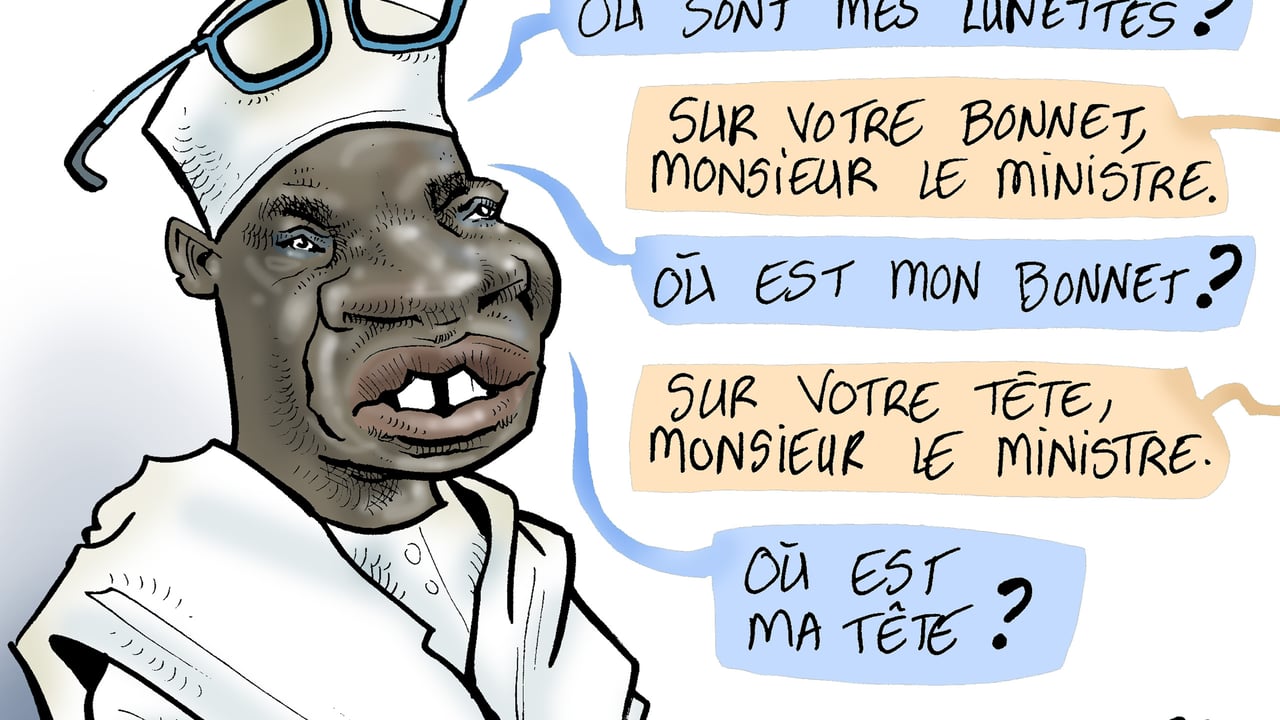
Cameroon’s eyeglasses affair: behind the verdict that landed four journalists in court
When four Cameroonian journalists walked into a courtroom over a story about a minister’s eyeglasses, few expected the case to become a defining moment for the country’s press. The verdict that followed has raised hard questions about how far the law can go in punishing what began as a routine piece of reporting.
How a minor detail became a major legal battle
At the centre of the case was a seemingly trivial item: a pair of eyeglasses belonging to a government minister. What started as an unremarkable news item quickly escalated into a judicial confrontation that would consume months of attention and end with four journalists facing the full weight of the courts. The story’s trajectory reveals how quickly a small allegation can spiral into a national debate when power and the press collide.
The forces that shaped the outcome
Behind the scenes, the dynamics were anything but simple. The case became a test of where the line falls between protected reporting and what authorities deem actionable. For the journalists involved, the experience highlighted the pressures that come with covering figures in power. For observers, it underscored how legal mechanisms can be mobilised in ways that ripple far beyond the individuals named in a charge sheet.
What the ruling signals for reporters
The conviction has not just affected the four journalists directly involved. It has sent a signal through newsrooms across the country about the risks attached to certain stories. The question now is whether this outcome will make reporters more cautious — or more determined to scrutinise those in authority.
The wider stakes for press freedom
This affair has become a reference point in conversations about media independence in Cameroon. The cost borne by the four journalists — professionally, financially and personally — has amplified concerns about the environment in which they operate. It has also sparked renewed discussion about the protections that should exist for those who gather and publish news in the public interest.
A case that will not be forgotten
As the dust settles, the eyeglasses affair remains a stark illustration of the tensions between state power and journalistic work. Its implications will be felt long after the courtroom doors have closed, shaping how both journalists and their audiences view the boundaries of acceptable reporting in Cameroon.
