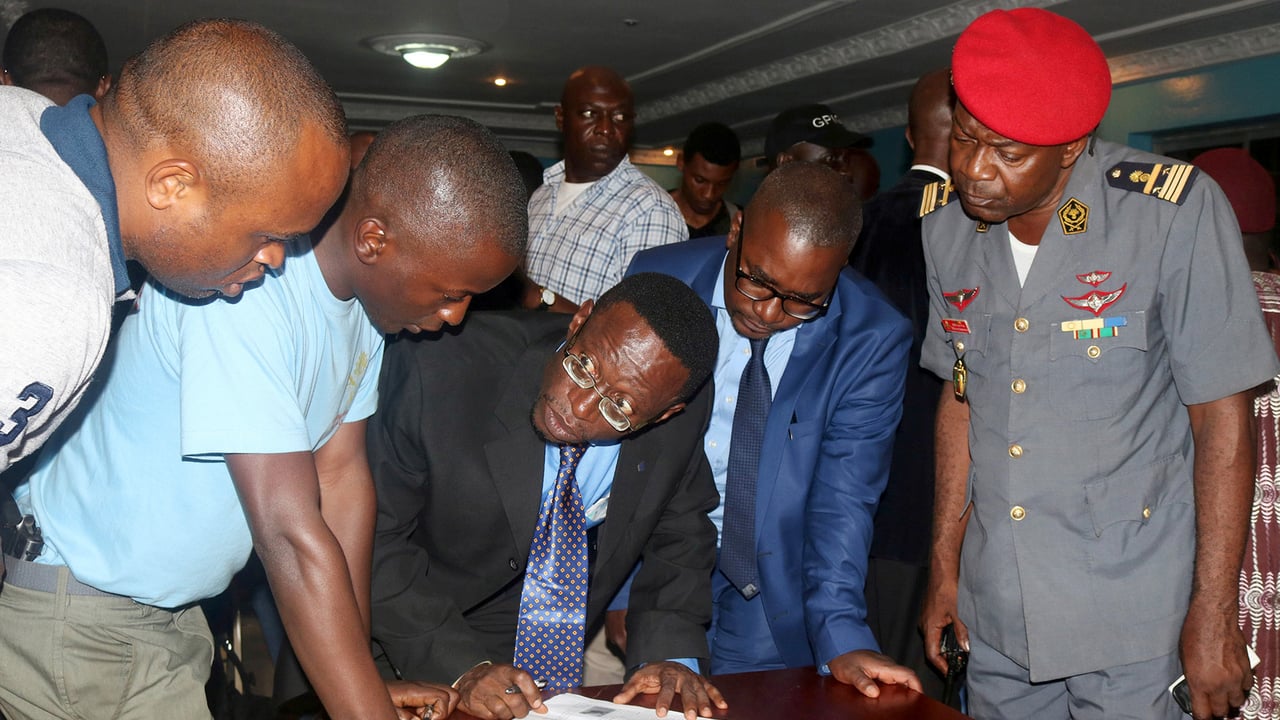
Cameroon’s anglophone standoff: lawyer Felix Agbor Balla insists on immediate talks to prevent collapse
Cameroon’s anglophone standoff: lawyer Felix Agbor Balla insists on immediate talks to prevent collapse
The Cameroonian government must recognize that dialogue is not a sign of weakness but a necessity to end the anglophone crisis, human rights lawyer Felix Agbor Balla has warned. With tensions escalating and economic fallout mounting, Balla insists urgent negotiations are the only path to avert national disaster.
Yaoundé’s refusal to engage in substantive discussions has prolonged the conflict in the country’s anglophone regions, he argues, exacerbating violence and deepening humanitarian suffering.
Government intransigence fuels crisis escalation
The anglophone regions of Cameroon’s Northwest and Southwest have been gripped by violence for years, with separatist groups clashing with state forces. Schools, hospitals, and entire villages have been destroyed, displacing hundreds of thousands. Despite the devastation, Yaoundé continues to reject meaningful dialogue, framing negotiations as capitulation to separatist demands.
Felix Agbor Balla, a prominent lawyer and activist, has repeatedly called for an immediate shift in the government’s stance. “Dialogue is not a concession — it is a strategic imperative,” he stated in a recent public address. “The longer this impasse persists, the more irreversible the damage becomes.”
Economic and humanitarian toll rising
The absence of constructive engagement has triggered severe consequences:
- Economic collapse in anglophone regions: Businesses have shuttered, trade routes are disrupted, and investment has evaporated, pushing communities into poverty.
- Humanitarian catastrophe: Over 700,000 people are internally displaced, with access to healthcare and education severely restricted.
- State resources drained: Military operations to contain separatist threats are draining public funds, diverting attention from development and social services.
The crisis has also strained Cameroon’s international standing, with diplomats and analysts warning that prolonged conflict risks destabilizing the entire Central African subregion.
The legal and moral case for dialogue
Agbor Balla argues that refusing dialogue violates constitutional principles and undermines Cameroon’s commitment to human rights. He points to international law, which emphasizes the duty of states to seek peaceful resolutions to internal conflicts.
“The government’s current approach is not just ineffective — it is unlawful,” he said. “When dialogue is rejected, the only outcome is greater suffering and a deeper fracture in national unity.”
Can Cameroon avoid irreversible damage?
With separatist factions gaining traction and public frustration mounting, the window for a peaceful resolution is rapidly closing. Analysts warn that without immediate, unconditional negotiations, Cameroon risks fragmentation, economic ruin, or prolonged civil war.
Felix Agbor Balla has proposed a structured dialogue process involving civil society, regional leaders, and international mediators. He emphasizes that any resolution must address the root grievances of anglophone communities, including marginalization and systemic discrimination.
What needs to change?
To break the deadlock, Agbor Balla outlines key steps:
- Immediate ceasefire: Suspend hostilities to create a conducive environment for talks.
- Inclusive negotiations: Involve representatives from all stakeholders, including women and youth groups.
- International mediation: Engage neutral third parties to facilitate discussions and ensure accountability.
- Constitutional reforms: Address systemic issues that fuel separatist sentiment, such as equitable resource distribution.
The stakes could not be higher. As Agbor Balla warns, “The choice is clear: dialogue or disaster.”
Conclusion: A turning point for Cameroon
The anglophone crisis has reached a critical juncture. With lives lost, communities shattered, and the nation’s future hanging in the balance, the government’s refusal to engage in dialogue is untenable. Felix Agbor Balla’s call is not just a demand — it is a plea for survival.
For Cameroon to heal and move forward, Yaoundé must abandon its hardened stance and embrace negotiation as the only viable path to peace.
