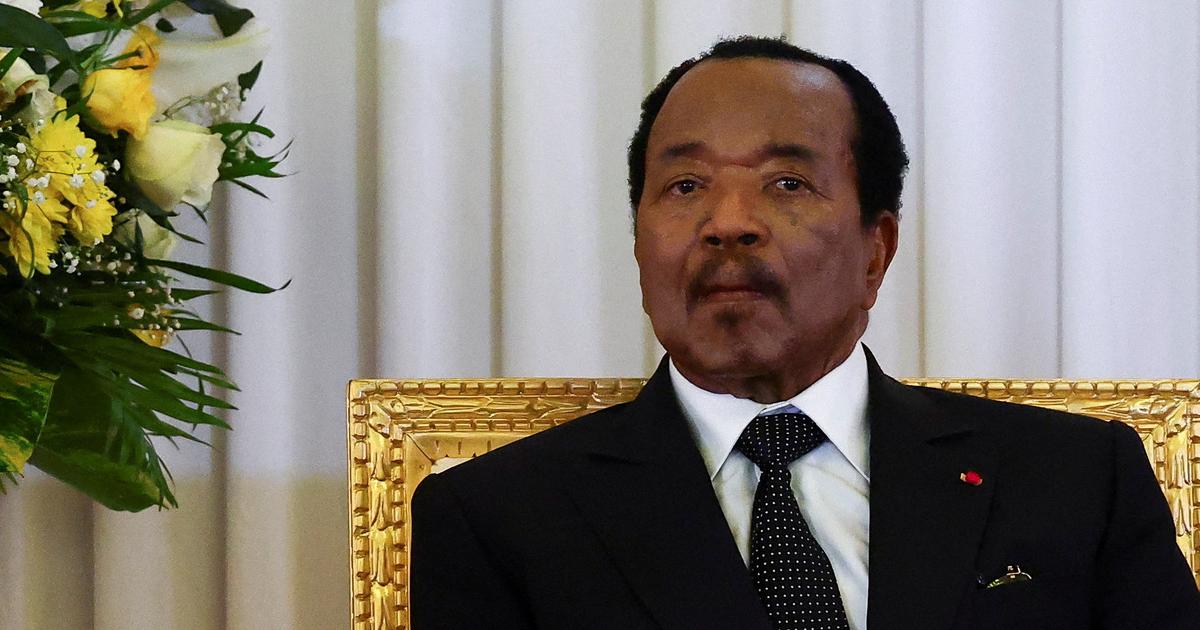
Cameroon under Paul Biya’s prolonged absence: who governs the nation?
An unprecedented absence raises questions
For over two months, Africa’s oldest serving head of state has been absent from Cameroon. At 93 years old, President Paul Biya, re-elected in 2025 amid disputed elections, remains in Geneva, Switzerland, where he arrived on June 7 for what authorities described as a “private stay.” This marks the longest private absence of his 44-year presidency — a period exceeding 50 days outside the country.
Governance amid uncertainty
Despite his absence, official decrees continue to be issued in his name. On August 3, a series of presidential decrees signed from Geneva led to a major reshuffle in the military, with key positions reassigned. This development has sparked public questioning: who is truly leading the country in the president’s absence, and what does this say about Cameroon’s leadership?
Public reaction and political commentary
Political observers and civil society groups have expressed concern. “Cameroon operates as if it’s upside down. We have the world’s oldest president, yet he spends more time abroad than in his own palace,” remarked a commentator in a local publication. The prolonged absence, especially during a time of regional instability, has intensified scrutiny over the functioning of state institutions.
Military reshuffle fuels speculation
The August 3 decrees, signed thousands of kilometers from Yaoundé, included the appointment of new high-ranking officers. Such moves typically reflect strategic decisions made at the highest level. Yet, with the president abroad for an extended period, questions arise about the chain of command and the actual locus of power.
As the nation watches, the silence from the presidency only deepens the mystery: is Paul Biya still actively governing, or has another layer of leadership quietly taken charge?
