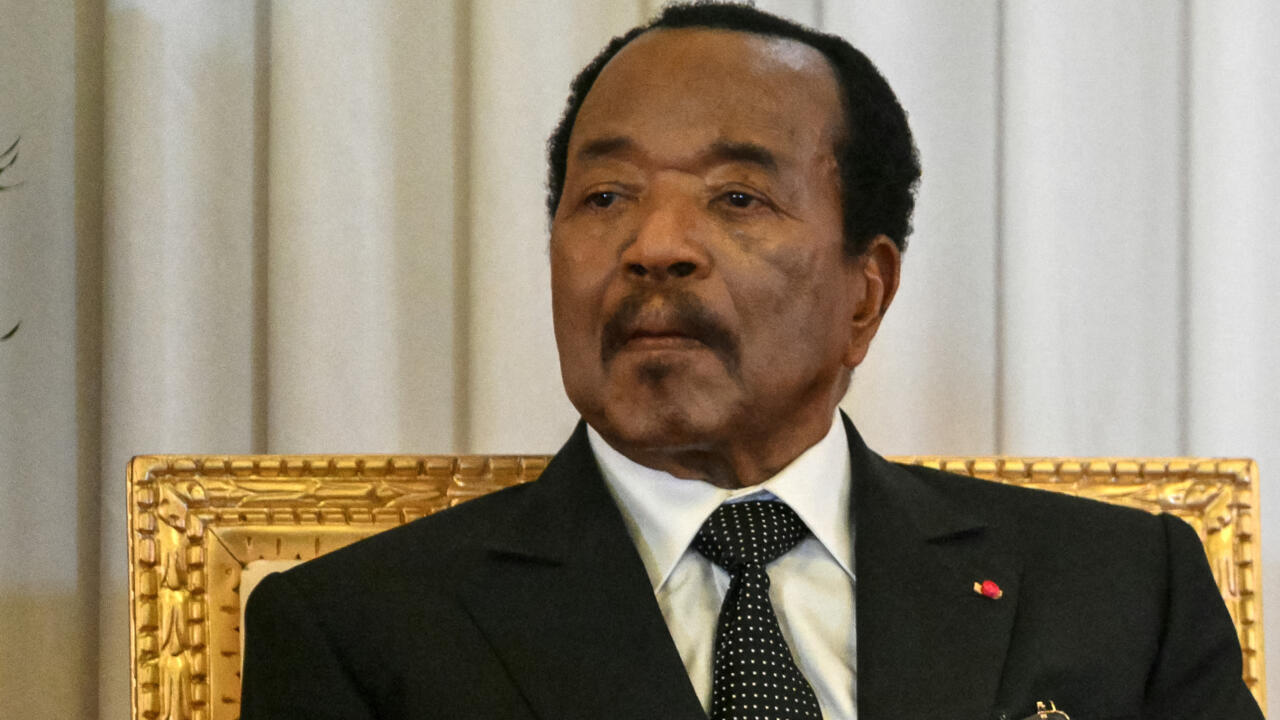
Cameroon president’s prolonged absence sparks debate
Cameroon president’s prolonged absence sparks debate
Where is President Paul Biya? At 93 years old, with 44 years in power, and 58 days of absence—the longest of his reign—this question looms large over Cameroon. Departing on June 7 for what was described as a “brief private stay in Europe,” the Cameroonian leader has not been seen in public since. His Minister of Communication, René Sadi, finally addressed the silence, stating: “The president is alive… There is no power vacuum,” and promising a return “very soon,” though no date was given.
What does this situation evoke for you? Does the prolonged absence of Cameroon’s president raise concerns about succession?
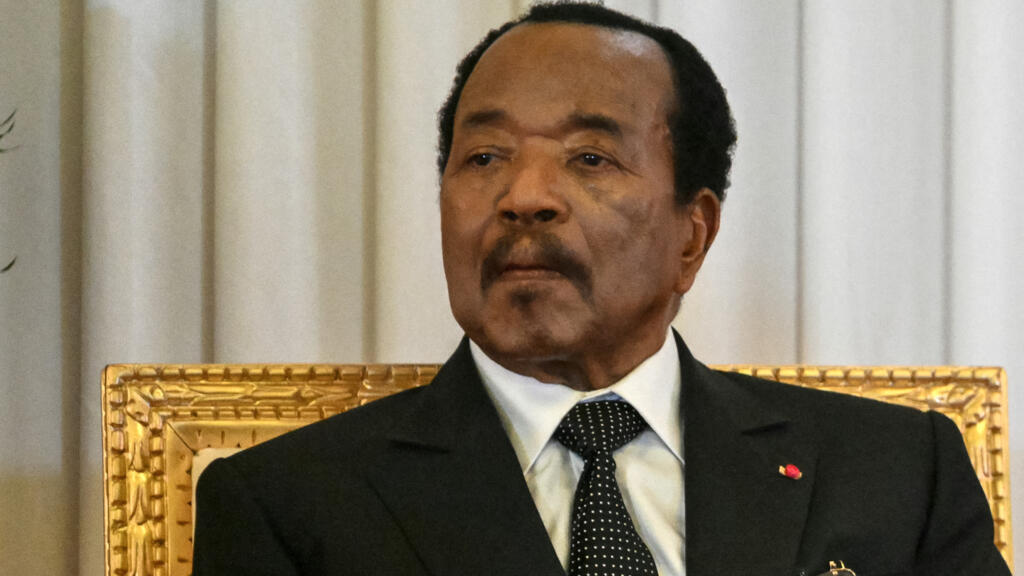
Concerns mount over presidential absence
The extended absence of President Paul Biya has ignited discussions about governance and stability in Cameroon. After nearly two months away, questions persist about his whereabouts and the implications for the country. While officials insist there is no power vacuum, skepticism grows as the president remains unseen in public.
Minister defends government stance
René Sadi, Cameroon’s Minister of Communication, attempted to quell rising concerns by affirming the president’s well-being and denying any void in leadership. He reassured the public of Biya’s imminent return, though no specific timeline was provided. This response, however, has done little to dispel the uncertainty surrounding the situation.
Public reaction and unanswered questions
Citizens and observers alike are left questioning the implications of such a prolonged absence. With the president’s age and the length of his tenure, discussions about succession and political transition are inevitable. The lack of transparency has only deepened public anxiety, leaving many to wonder about the future of Cameroon’s leadership.
Government maintains transparency claims
Authorities continue to assert that all is well within the government structure. Despite the absence, they claim that administrative functions remain unaffected. Yet, the absence of visible leadership raises doubts about the true state of affairs in the country.
