Cameroon military reshuffle amid president biya’s prolonged absence
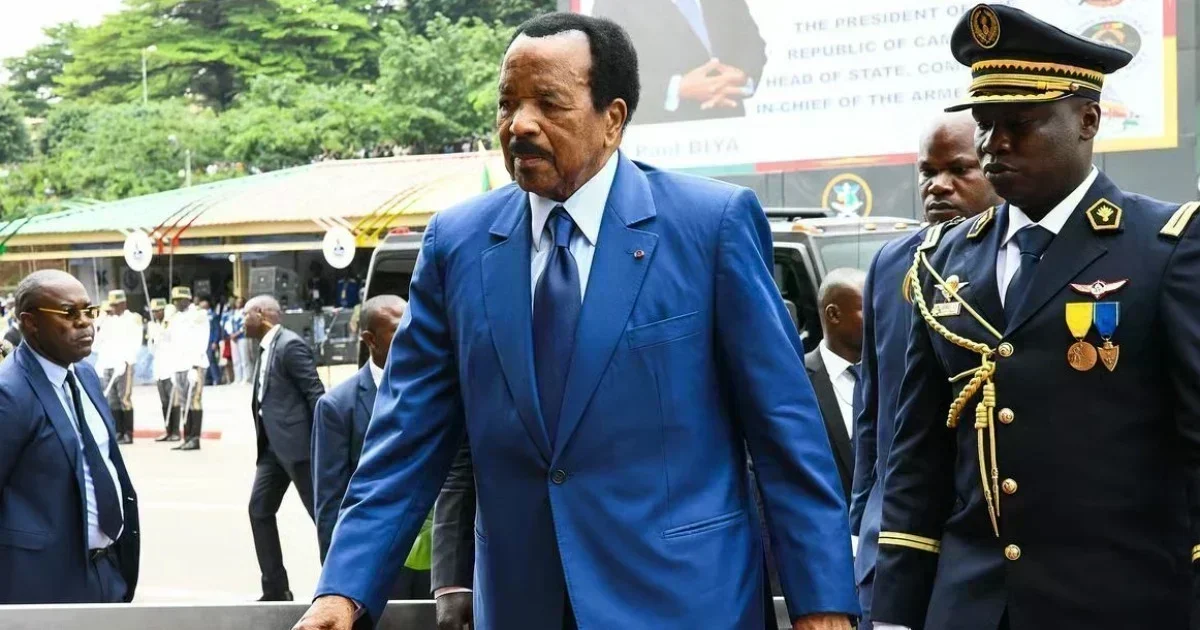
In a move that has intensified scrutiny over his extended absence, Cameroon’s President Paul Biya recently approved a sweeping reshuffle within the country’s military leadership. The decree, signed on August 3, introduced four new high-ranking appointments, including the historic elevation of General Raymond Jean Charles Beko’o Abondo to command the Republican Guard—a role traditionally reserved for senior officers directly safeguarding the head of state.
Military leadership changes strengthen president’s security apparatus
The latest reorganisation places four generals at the helm of strategic units responsible for protecting Cameroon’s president, reflecting a deliberate effort to fortify the inner circle during a period of unparalleled leadership uncertainty. Among the appointees, General Ebaka Hypolite, aged 73, has been promoted to the dual role of Major General of the Armed Forces and retains his position as Major General of the Land Army. This consolidation underscores the government’s strategy to maintain operational control amid persistent questions about the president’s health and capacity to govern.
The Major General of the Armed Forces now ranks second only to the Chief of Staff, General René Claude Meka, within Cameroon’s defence hierarchy. These appointments follow a pattern of leadership adjustments aimed at reinforcing stability in the security sector during a time when President Biya has been absent from the country for nearly two months—a duration that has sparked widespread debate.
Questions arise over health and governance amid extended absence
Cameroon’s 93-year-old president, who has led the nation since 1982, departed on June 7 for what officials describe as a ‘private visit to Europe’. Yet, the absence has far exceeded initial expectations, fueling speculation within political and diplomatic circles. While government spokespeople have dismissed claims of deteriorating health, the prolonged trip has intensified public concerns over the country’s political direction.
The opposition has been particularly vocal, accusing authorities of allowing the country to drift into ‘pilot mode’, with no clear succession plan in place. Demands for the appointment of a vice president and a new cabinet have grown louder, yet remain unmet, further deepening anxieties about institutional fragility.
As the reshuffle reshapes Cameroon’s military command, the broader implications of President Biya’s absence continue to dominate national discourse. With no definitive timeline for his return, the country remains on tenterhooks, watching closely for signs of stability—or further uncertainty.
