Burkinabè miners abroad face urgent reckoning over environmental damage in neighboring lands
The unchecked spread of illegal gold mining across West Africa has forced neighboring nations to confront a shared environmental crisis. As Burkinabè citizens continue to face expulsion from multiple countries for clandestine gold extraction, the repercussions of these activities extend far beyond national borders.
Environmental degradation linked to cross-border mining
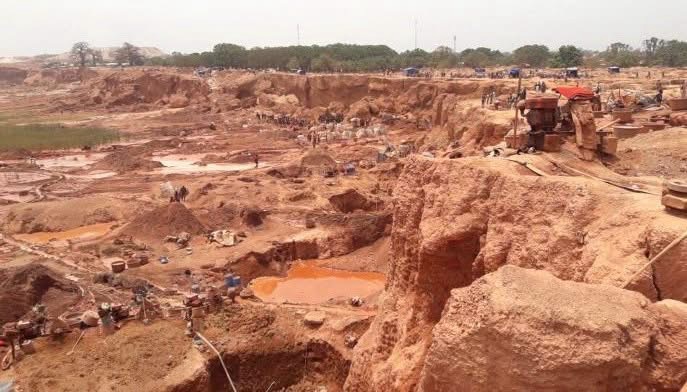
Illegal gold mining operations conducted by Burkinabè miners in neighboring countries have left a trail of ecological destruction. Soil erosion, river pollution, and deforestation are common consequences, with local communities bearing the brunt of irreversible damage to their lands and water sources. The unregulated excavation of pits and the aggressive use of toxic chemicals such as mercury have further exacerbated the environmental toll, rendering agricultural lands unusable and threatening food security in affected regions.
Legal accountability and state responsibility
The expulsion of Burkinabè miners from countries like Côte d’Ivoire, Ghana, and Togo underscores the growing frustration of governments grappling with the environmental fallout of these illicit activities. While protecting nationals abroad remains a legitimate concern for any government, this responsibility must not overshadow the need for accountability. States are increasingly enforcing environmental laws to preserve their ecosystems, and those responsible for violations regardless of nationality must face consequences.
Why enforcement is non-negotiable
When Burkinabè miners operate illegally on foreign soil, they undermine regional efforts to combat environmental degradation. The absence of legal repercussions would set a dangerous precedent, allowing unchecked exploitation to continue unabated. Authorities in Burkina Faso must recognize that defending citizens abroad should not come at the expense of environmental justice in neighboring countries. Failure to address this issue could strain diplomatic relations and erode trust among regional partners.
A call for regional cooperation and self-reflection
The expulsion of Burkinabè miners presents an opportunity for introspection. These individuals, who have exploited the lands of others, must now confront the possibility that their actions could one day be replicated within Burkina Faso itself. If Burkinabè communities were to face similar environmental destruction on home soil, the public outcry would likely be swift and decisive. This double standard a demand for fairness when lands abroad are damaged but a disregard for the same when it occurs at home undermines the credibility of environmental advocacy.
Shared principles for environmental protection
Environmental responsibility cannot be selective. The same ecological standards applied to Burkinabè lands must extend to those of neighboring countries. Mutual respect for environmental laws is essential to fostering regional solidarity and preventing the exploitation of one nation’s resources for the profit of another. Burkina Faso’s government must take proactive measures to discourage illegal mining abroad, including public awareness campaigns, stricter border controls, and cooperation with regional authorities to ensure that environmental laws are uniformly respected.
Conclusion: Justice for all and protection for all
The environmental damage caused by illegal gold mining transcends borders. While Burkinabè miners face expulsion from neighboring countries, the broader issue demands a collective response. By enforcing environmental laws, promoting accountability, and fostering regional cooperation, West African nations can protect their shared ecosystems and ensure that justice is served not just for citizens abroad, but for all communities affected by environmental degradation.
By Maimouna Kaboré — Journalist
